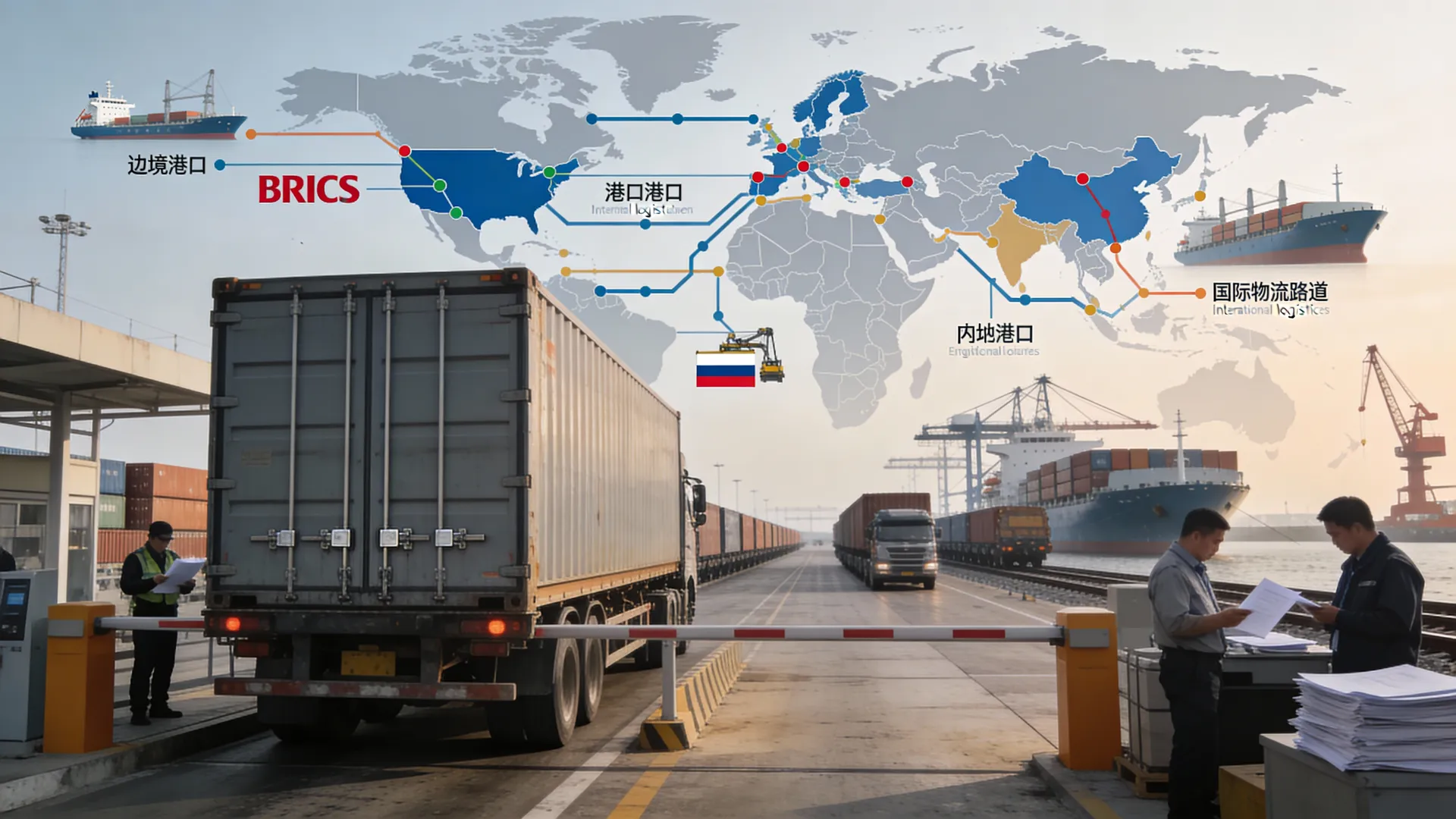
In our business, delays in logistics are not force majeure, but part of the workflow. Especially when it comes to such complex areas as BRICS transportation. The Russia-China route is always an equation with many unknowns: geopolitics, weak infrastructure, customs. And if a third country like Kazakhstan appears in the scheme, the risks only increase.
The client, of course, is not interested in all this. He needs a shipment on time. So let's figure out where the real causes of supply disruptions lie and what can be done about it.
It all starts with planning: by train, by sea or by car?
Before the cargo goes at all, you need to choose exactly how it will go. And 90% of future problems are laid at this stage. There is no "perfect" transport. There is a trade-off between speed, price and control.
Everything is predictable with the railway. I loaded the container, and it went on schedule. But this predictability has a downside — inflexibility. If you don't catch your train, wait for the next one. No one will keep the compound for the sake of your one container.
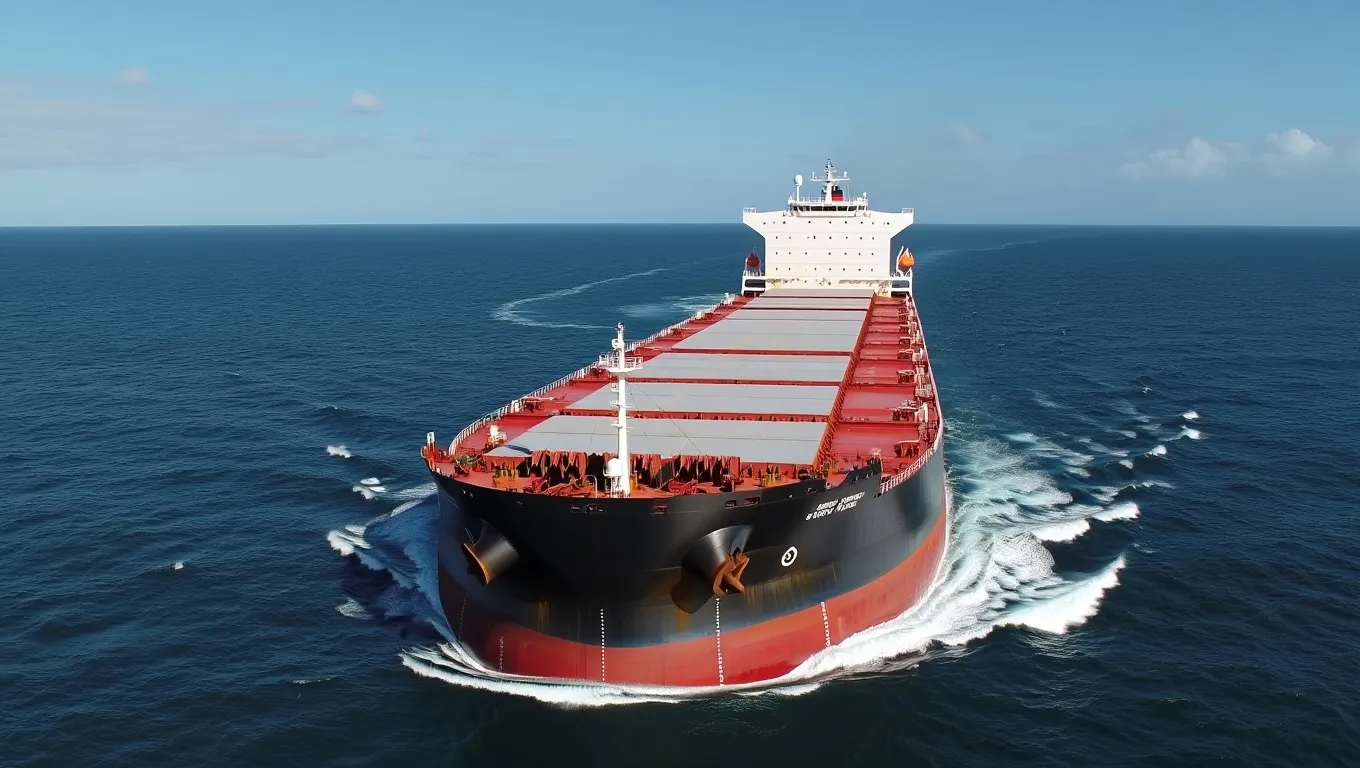
The sea is always the cheapest option. But also the most unpredictable. There was a case when, instead of a direct flight to Russia, the container traveled all over the world for six months — Korea, India, Dubai. Simply because it was more profitable for the carrier to assemble the batch. Deadlines are a very flexible concept here.
Motor transport provides maximum flexibility and control. But there are also "surprises" here. For example, in China, you can load more onto a truck than is allowed in Russia. This means that there will be a mandatory overload at the border. Plus traffic jams, road conditions, queues at border crossings.
In the end, the choice always depends on what is more important to you: speed, price, or the ability to control the process. And each of these paths has its drawbacks, which can lead to a delay.
The main reasons for delays: where it really hurts
- Politics and sanctions. That's the number one reason. But the problem is not only with Western sanctions. Any third country in the chain is an additional risk. An example is the recent multi—kilometer traffic jams on the border of Kazakhstan and Russia. The problem was not between China and Russia, but between Russia and Kazakhstan. As a result, the trucks that were supposed to arrive quickly stopped dead.
- Money problems. Let's say you've found a way to bring it. But you still have to pay for the product. And then it turns out that Chinese banks are also complying with the sanctions regulations. If you try to pay directly for sanctioned goods from Russia, the Chinese bank will simply not transfer the money to your supplier's account. They will "hang" on the corsages.
- Therefore, the business goes into cash or other "gray" schemes. But then another problem arises: Chinese VAT. If the product is purchased for cash without checks, it has no legal origin inside China. This means that it will be impossible to legally take it out and "whitewash" it to Russia.
- Customs. The eternal problem. Customs issues are classics of the genre. And when working with China, the main one is the licenses and permissions of the copyright holder.
An interesting paradox arises here. Russia, thanks to parallel imports, says: "Import Siemens, we don't need permission from Siemens itself." In other words, our customs is ready to process such cargo.
But in order for this Siemens to leave China at all, it must pass through Chinese customs. And she works according to her own, international rules. And she will definitely ask.: "And where is the permission from the copyright holder to export this batch to Russia?" It is, of course, impossible to obtain such a permit for sanctioned goods.
So it turns out that the Russian law on parallel imports "turns on" only on our side of the border, but it does not solve the problem of exporting goods from the country of origin. That is why it is necessary to build complex schemes with the "sale" of cargo first to a "friendly" country like Kazakhstan, and from there to Russia.
To this is added the eternal risk of total inspection. This is when your container is completely unloaded and each box is opened. In practice, this can happen in the rain, the packaging becomes unusable, and the product loses its appearance. And there's nothing you can do to stop it — it's the legal right of customs.
Practical tips for minimizing risks
Delays cannot be completely avoided. But it is possible and necessary to manage risks.
- Diversification. And not only routes. We are constantly looking for new suppliers and new factories. Even if you have a reliable partner, the market is changing, and you can always find an option 15% cheaper or faster.
- Look for reliable partners. In the current conditions, saving on a freight forwarder is a bad idea. A cheap carrier may turn out to be the most expensive when his phone stops responding.
- Use technology wisely. All these "control towers" and trackers are a great tool. But you need to understand their limitations. You can track a truck using GLONASS in Russia. It is almost impossible to do the same in China or track the container by train or at sea. You just won't be given this data.
- Insurance. Absolutely, but without illusions. Insurance is not a panacea. It will protect you from complete loss of cargo. However, it will not cover the damage caused by packaging damage during customs inspection. There was a case when expensive equipment was brought. A box was smashed during the inspection. The product is intact, but it was not accepted from the client in this form. The loss is 1.3 million. Insurance didn't cover it.
In addition, there are specific risks that are not mentioned in the advertising brochures. For example, thefts on the railway in Russia. There are areas where trains slow down a lot. This is used by local "brigades": they jump into the wagons, dump some of the cargo and jump off. Standard insurance does not always save you from such risks either.
What is the result?
Delays in logistics between the BRICS countries are a systemic problem caused by a variety of reasons. So far, there is no perfect solution that would eliminate all the risks.
In these circumstances, everything depends on flexibility, competent planning and risk management skills. You need to constantly monitor the situation, have a plan B, and work only with those partners you are confident in. This is the only way to build more or less stable supply chains in this turbulent world. We write about how to do this in practice in our information portal D2.