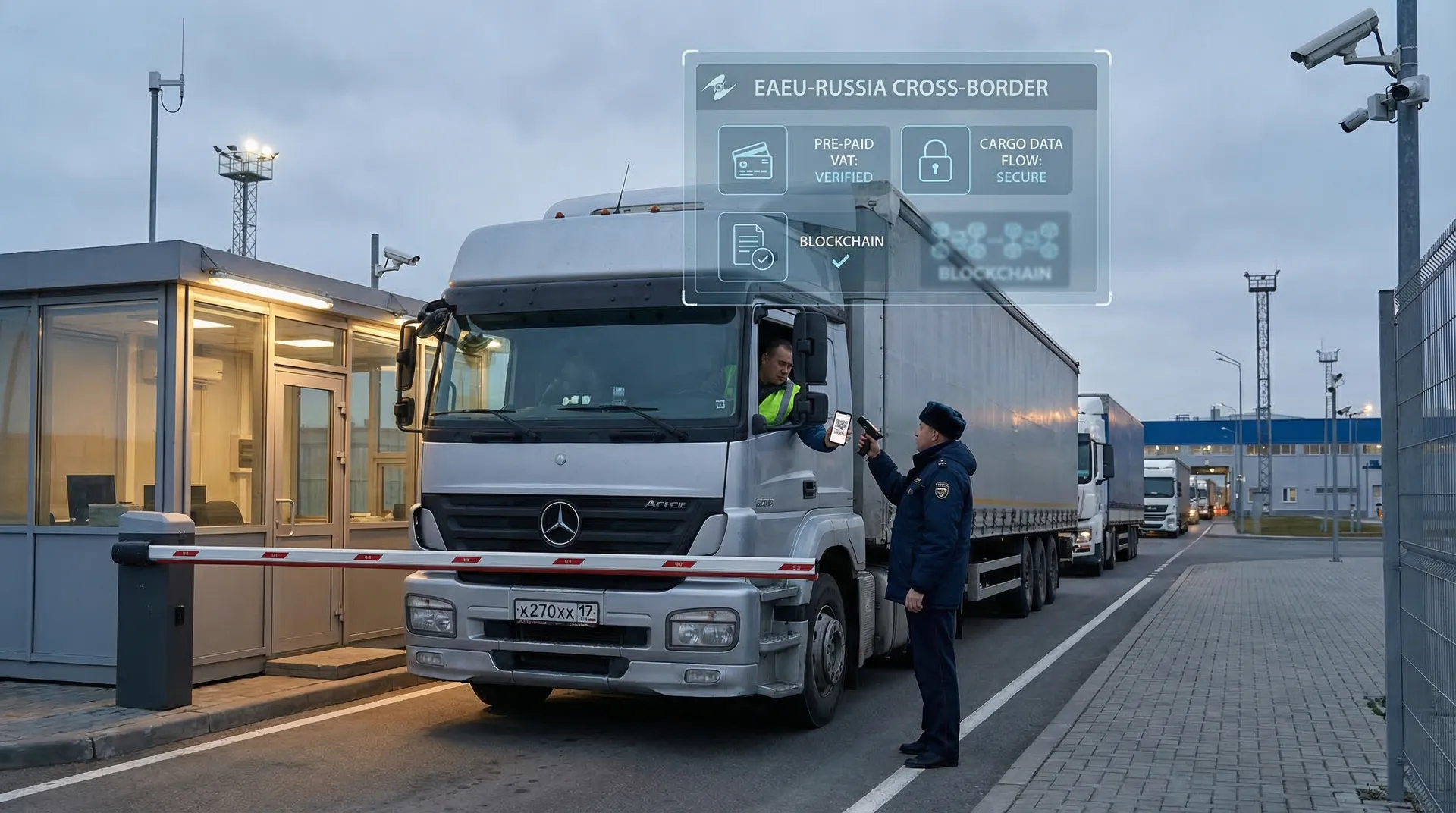
Under these conditions, IT solutions have ceased to be an auxiliary tool. They become the foundation for the sustainability, competitiveness and growth of businesses in the financial services sector.
The role of IT solutions in the transformation of financial services
Digitalization of financial services is not just the introduction of new programs or the transfer of processes to electronic form. It's about rebuilding the entire business model.
Previously, financial organizations competed with a network of branches and the number of employees, but today the key factors are:
- processing speed of operations,
- the quality of the customer experience,
- product line flexibility,
- the ability to scale without proportional cost increases.
The IT infrastructure allows financial companies to move from a reactive management model to a proactive one. Solutions based on data analytics, automation, and cloud platforms enable:
- launch new products faster,
- adapt to changes in demand,
- reduce costs as the customer base grows.
In fact, IT is becoming the link between strategy, operational activities and customer service. That is why investments in technology today are considered not as an expense item, but as a long-term investment in business sustainability.
Automation and optimization of business processes of financial organizations
One of the key effects of implementing IT solutions is the deep automation of processes. Dozens of areas are subject to automation in financial organizations.:
- processing loan applications and opening accounts,
- verification of clients and counterparties,
- issuance of cards and financial instruments,
- calculation of fees and interest,
- document management and reporting.
The use of digital document management and robotic process automation (RPA) allows:
- reduce the processing time of operations significantly,
- reduce operating costs,
- minimize the impact of the human factor,
- improve the accuracy and reproducibility of processes.
Real-time transaction processing systems play a special role. They give the business the opportunity to instantly respond to changes, and the client the opportunity to get results "here and now". This is becoming a standard for the financial market, not a competitive advantage.
Modern security technologies in the financial sector
The growth of digital channels is inevitably accompanied by an increase in cyber risks. Therefore, security is one of the key arguments in favor of implementing modern IT solutions.

Today, financial data protection is based on a multi-level model and includes:
- multi-factor authentication,
- biometric identity verification methods,
- behavioral analytics,
- intelligent systems for monitoring operations.
Biometric authentication (face, voice, and fingerprint recognition) significantly reduces the risks of unauthorized access. Behavioral analytics allows you to identify anomalies in user actions, even if all the data is formally entered correctly.
Modern security systems do not operate "upon incident", but in threat prevention mode, which is especially critical for financial organizations with a large volume of transactions.
Financial fraud detection and prevention systems
Anti-fraud systems deserve special attention. Financial fraud is becoming more complex and technologically advanced, so traditional protection methods are no longer effective.
Modern IT solutions use:
- machine learning,
- analyzing large amounts of data,
- identification of behavioral patterns.

Anti-fraud systems analyze hundreds of parameters of each operation in real time and are capable of:
- identify suspicious transactions,
- block operations until they are completed,
- reduce financial losses and reputational risks.
For businesses, this means not only protecting assets, but also increasing the trust of customers, for whom the security of operations is a critical factor in choosing a financial partner.
Innovative IT technologies in the financial sector
Innovations in financial services today are closely linked to the development of IT. The most significant areas include:
- artificial intelligence and machine learning,
- blockchain technologies,
- API economics and Open Banking,
- cloud platforms.
Artificial intelligence is used to personalize offers, score clients, predict risks, and automate support. Blockchain is used to increase transparency of operations and data protection. The API approach allows you to integrate financial services into partner ecosystems and create new products at the intersection of industries.
The innovative use of IT solutions contributes to the emergence of new financial products and customer interaction formats, which directly affects the competitiveness of organizations.
Features of IT solutions for the Russian financial sector

The Russian financial market has its own specifics, which must be taken into account when implementing IT solutions. Among the key factors:
- strict regulatory requirements,
- data localization requirements,
- the course towards import substitution and technological sovereignty.
Financial organizations are increasingly focusing on domestic platforms and solutions that can ensure compliance with legislation and a high level of information security. At the same time, the balance between innovation, reliability and scalability of systems remains important.
IT solutions in the Russian financial sector must take into account not only technological but also regulatory aspects, which makes the selection and implementation of such solutions a strategic business objective.
Sustainable development and the ESG agenda
Digitalization of financial services also contributes to sustainable development. The transition to electronic document management and online channels reduces the use of paper resources and reduces the carbon footprint.
For many clients and partners, ESG factors are becoming an important criterion when choosing a financial institution. IT solutions help businesses meet these expectations and shape the image of a responsible and modern market player.
Result
Today, IT solutions are not just operational support, but a key tool for the strategic development of the financial services business. They increase efficiency, security, flexibility and quality of service, while opening up new opportunities for growth.
In the context of accelerating digitalization and tougher competition, it is technological maturity that is becoming one of the main factors for the success of financial institutions in the market.