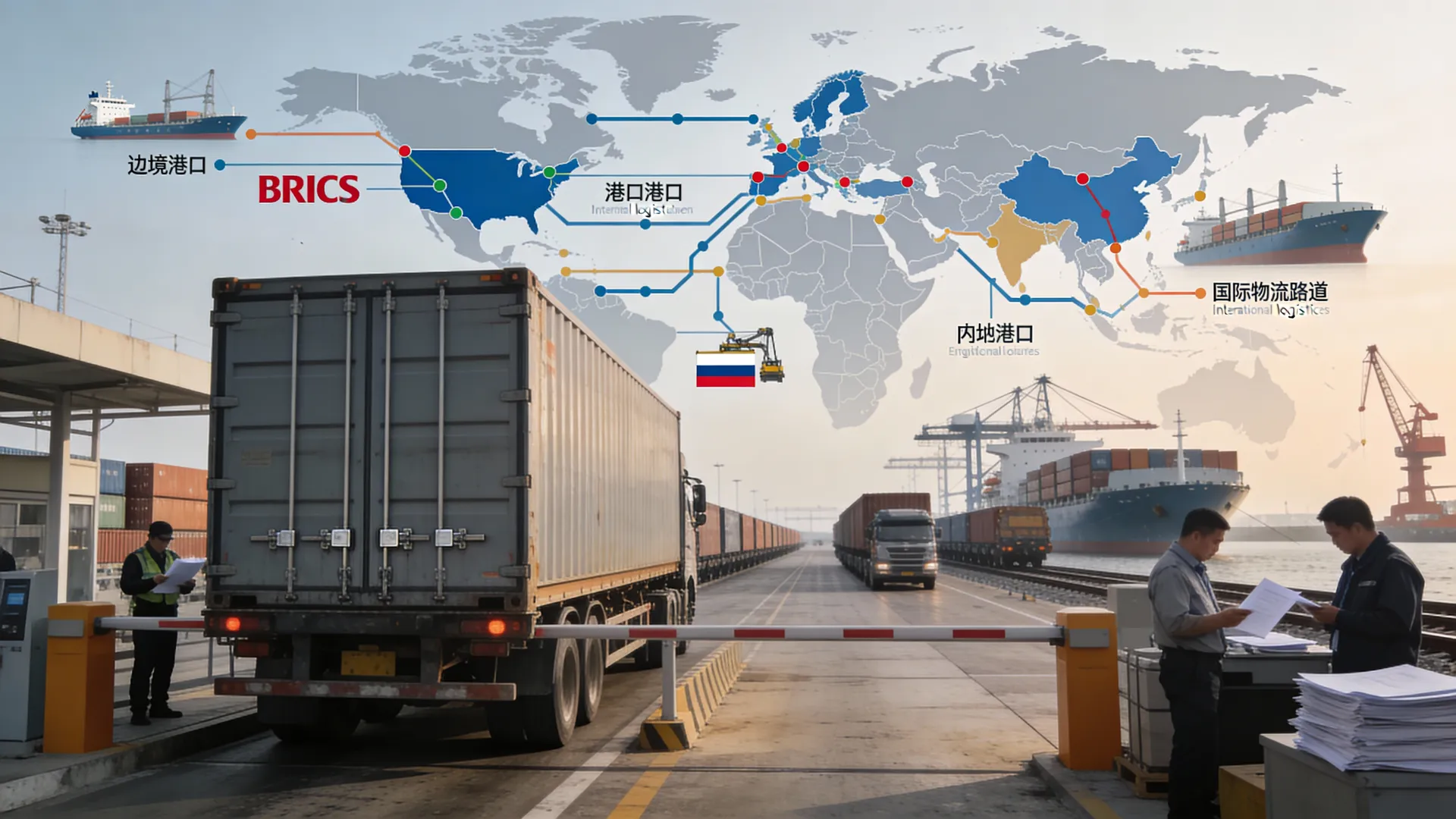
This question constantly arises: how do I start working in the BRICS countries? It seems that opening a BRICS branch is a logical step for any growing company. The markets are huge, and the prospects are attractive. But this idea hides a number of nuances, ignorance of which can be very expensive. Before even starting to calculate the budget, you need to figure out the most important thing.
The first and main question is: why do you need an office?
Globally, there are two ways. And these are not just different legal names, they are two different universes, two different approaches to business.
The first way is a logistics office, or, as it is correctly called, a representative office. What is it really like? These are the eyes and ears of a new market. No more. There are one or two people who study competitors, meet with potential customers, promote the brand, go to exhibitions, coordinate actions with the parent company. But! He has no right to sell. Generally. No commercial contracts, no accounts, no operational activities. In other words, such a representative office cannot provide transportation or customs clearance services. This is, in fact, marketing intelligence by combat.
The second way is to have a full—fledged branch abroad. Most often, it is registered as a subsidiary with a local jurisdiction. This is a real business. He can sign contracts, issue invoices, hire local staff, make a profit and, most importantly, provide a full range of logistics services. But the requirements for it are completely different. This is a full-fledged company that pays taxes, submits reports and fully complies with local legislation.
Therefore, when they talk about logistics and representation, you need to understand that if you really want to do logistics, then representation is not suitable. You need a full-fledged subsidiary.
Bureaucracy: where is the most difficult?
The level of bureaucracy in the BRICS countries is extremely uneven. In some cases it's just a long time, and in others it's a long time and very expensive.
Brazil is probably the champion in terms of difficulty. In principle, there is no such form as a non-commercial representation. If you want to work, open a full-fledged company, most often Ltda (Sociedade Limitada), our equivalent of LLC. And get ready. You will need a legal representative, permanent resident of the country. You will have to apostill all the statutory documents, and then translate them into Portuguese from a certified local translator. Any error in the comma and the documents are returned. The whole process can easily take six months, and the initial costs for lawyers, fees and transfers will range from 10 to 30 thousand dollars. And this is even before any activity begins.
It's surprisingly easier in Russia. You can open a classic representative office that is not a legal entity and does not conduct commercial activities. The process is clear, but not fast. Tax service, statistics service, Pension Fund. You need to find a legal address, sign a lease agreement, which also needs to be registered. And don't forget that such an office requires a separate foreign economic activity registration with a bank to conduct currency transactions, even if it's just a transfer of money from the parent company for office maintenance, rent, salaries, and so on. All this also takes time.
China is a different type of control. Total. You can open a representative office (RO). But your parent company must have existed for at least two years. There are no more than four foreigners in the staff. And you can't hire local employees directly, only through a special government recruitment agency. In other words, the state decides who will work for you. Taxation is also specific: taxes are calculated not from profits (there is none), but from expenses.
India is also putting up barriers. To open a connecting office there, your company must have been profitable for the last three years and have a net worth of at least $50,000. If you don't match, you will simply be rejected. And the permit is issued for only three years, after which the procedure must be repeated.
Requirements for foreign economic activity: the main barrier for logisticians
So we come to the most important thing. Even if you have completed all the registration rounds, this does not mean that you can engage in international transportation. This requires a separate foreign economic activity registration.
And here representation is powerless. It cannot obtain the necessary licenses and permits. To fully operate, your branch will have to:
- In Brazil, register with the SISCOMEX system.
- In Russia, register with the Federal Customs Service.
- In India, receive the Importer/Exporter Code (IEC) from the Directorate General of Foreign Trade.
- In China, get a separate import/export license for your WFOE (a completely foreign company).
- In South Africa, register with the Internal Revenue Service (SARS) for customs clearance.
This is a separate, large and complex process. Without it, any activity related to border crossing would be illegal.
Practical conclusions and recommendations
What follows from all this? A few simple but hard rules.
- Don't try to do this alone. In each of these countries, you will need a local lawyer. Not just a lawyer, but a specialist who deals specifically with the registration of foreign companies. He knows all the unwritten rules and understands how to talk to officials. This is the most important expense item.
- Multiply the budget by two. Always. The dates that will be given to you, also safely multiply by one and a half. In such projects, unforeseen expenses and delays are not force majeure, but part of the plan.
- First the goal, then the form. Do not decide to open a representative office. Decide what you will do. If the goal is to make money in logistics, then you need to immediately plan the opening of a full-fledged company, with all the ensuing consequences.
In general, the opening of a BRICS branch is a serious investment project. And you need to approach it that way: with a cool head, careful planning, and the understanding that this is a marathon, not a sprint.
This work never ends. We continue to monitor the market, and we share the most important observations in our Telegram channel.