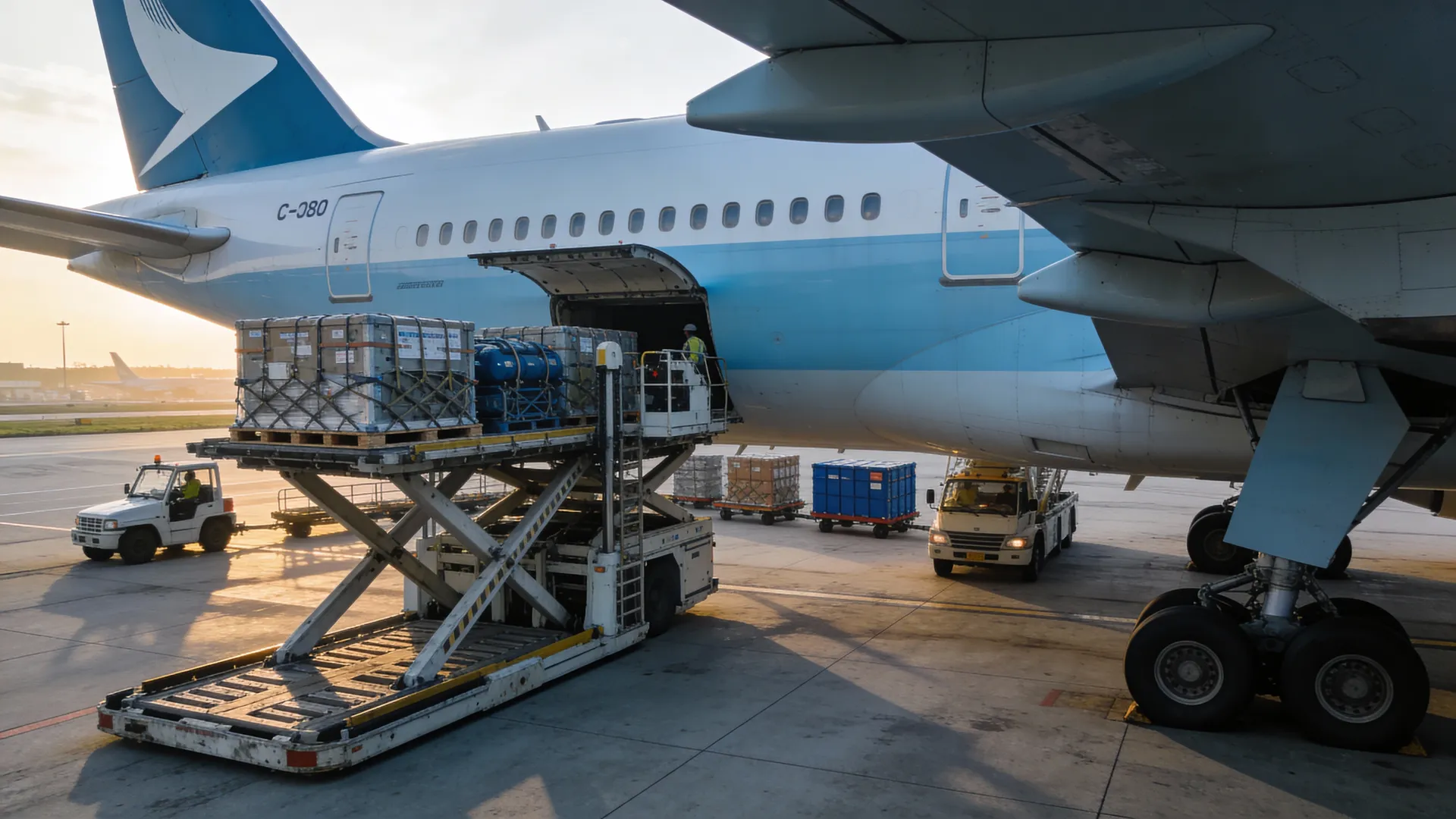
Russian importers are meeting the beginning of 2026 in the context of a controversial air transportation market. On the one hand, air logistics remains the fastest and most manageable supply channel for equipment, components, and high-margin goods from China and Southeast Asian countries. On the other hand, companies are increasingly facing excessive costs, non—obvious routes and planning errors that directly affect the cost of imports.
The key problem in 2026 is the gap between tariffs and the real value of air transportation. After the volatile year 2025, the market has entered a phase of structural adjustment: some cargo is shifting from sea lanes to aviation due to geopolitical risks and unstable deadlines, while capacities are unevenly distributed. As a result, importers often overpay for urgency where a more rational logistics model could be built.
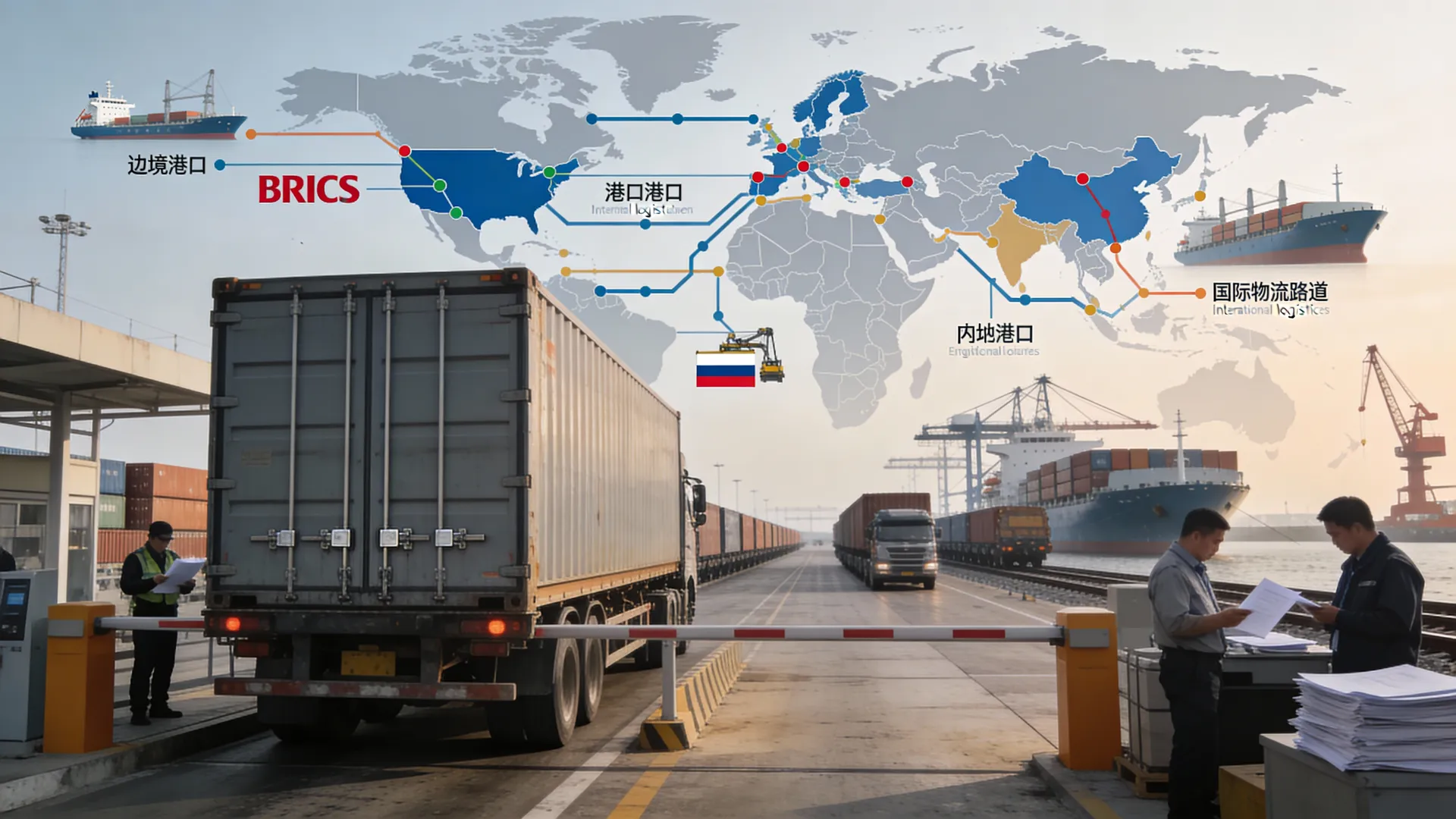
Experts note that in 2026, the winners are not those companies that simply choose aviation, but those who know how to work with route architecture. Transit corridors through Thailand and Vietnam, as well as multimodal schemes combining road, rail and air transport, are becoming increasingly important. Such solutions make it possible to reduce the cost of transportation without a critical loss in time.
In the current conditions, special attention is paid to the management of procurement logistics. Errors at this stage — incorrect choice of departure airport, incorrect batch planning, ignoring consolidation — lead to system overpayments. For manufacturing enterprises, this means an increase in cost, and for trading companies, a decrease in competitiveness in the domestic market.
As Olga Mironova, head of the Air Transportation Sales Department at MTEK QIANTONG, emphasizes, in 2026, businesses need to move away from template solutions.
"Companies are increasingly overpaying not because of the high rates per se, but because of the wrong logistics strategy. Today, the key role is played not by speed per se, but by the balance between deadlines, tariffs and manageability of the supply chain," the expert notes.
An additional pressure factor is the change in the cargo structure. Aviation is increasingly receiving not only urgent shipments, but also regular supplies of components and equipment. This requires importers to gain a deeper understanding of the capacity market, seasonality, and work with airlines.
Against this background, the demand for practical analytics and applied cases is increasing. Companies are looking for answers to specific questions: which routes actually work in 2026, where additional costs are hidden, how to adjust logistics for parallel imports and sanctions restrictions. It is these tasks that determine the agenda of the air transportation market today.