The State Council of the People's Republic of China has approved the calendar of public holidays for 2026, a document that is no less important for foreign trade than tariffs and freight rates. Formally, we are talking about seven main rest periods, but de facto the market receives a "cardiogram" of future overloads: spikes in production before the holidays, production failures during the holidays themselves, and sharp peaks in exports immediately after.
The key signal for business is that the government is directly pushing companies and citizens to take longer vacations by combining weekends and annual leave. This means that some of the staff in the real sector, warehouses, forwarding and counterparty offices may be absent longer than the "official" dates, and the windows for shipments may narrow.
"The notification from the State Council calls on companies and individuals to combine statutory holidays with annual vacations to create longer rest periods, which will help balance tourist demand and reduce peak congestion."
What exactly was approved
According to the official schedule in 2026:
— New Year's Eve: January 1-3, going to work on January 4.
— Spring Festival: February 15-23 (9 days), "working days" — February 14 and 28.
— Qingming: April 4-6.
— Labor Day: May 1-5, working day — May 9.
— Dragon Boats: June 19-21.
— Mid-autumn: September 25-27.
— National Day: October 1-7, working days — September 20 and October 10.
Why is this critical for foreign economic activity and freight transportation
- A shift in demand for capacity. Before the long holidays, factories accelerate shipments, and exporters "close" the documents. This increases the rates for trucking to ports, as well as the load on terminals and container sites. After the holidays, there is a reverse wave — the mass release and export of accumulated goods, which leads to the risk of queues at consolidation warehouses and delays at the last mile.
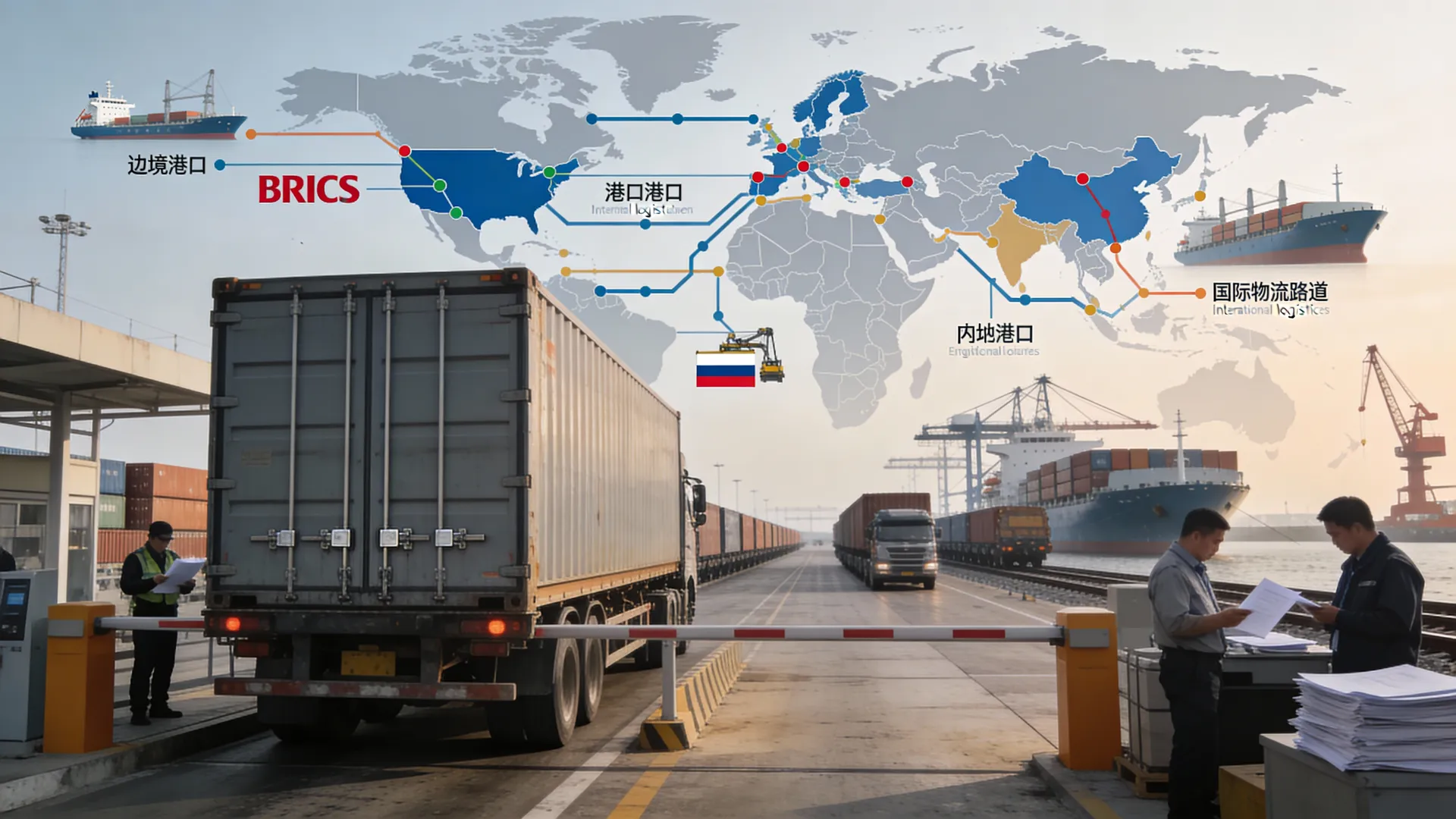
- Planning in the context of BRICS and alternative corridors. For companies working with BRICS partners, China's calendar is becoming a reference point for supply synchronization: the more precisely the production windows and buffer stocks are calculated, the easier it is to maintain the service level on railway and sea routes during periods when Asian demand is simultaneously pressing capacity.
- Document management and customs operations. Even if the port and the line work in shifts, the release rate often depends on the people: the supplier's accounting department, the export declarations department, inspections and internal logistics. Therefore, a practical approach is not to count the "red days" in the calendar, but the availability of key roles for the supplier and agent.
Practice: how not to lose deadlines in 2026
— Create a 7-14-day buffer around the Spring Festival and National Day: these are the main sources of the domino effect in supply chains.
— Fix the dates of readiness 10-12 days before the holidays and book the departure from the factory in advance.
— Arrange with the supplier for a pre-holiday cutoff for changes in orders and packaging.
— Check the schedules of your warehouses/ terminals and "working off" weekends: postponement of working days affects the availability of drivers, acceptance and office operations.
The holiday calendar is not a household reference, but a risk management tool. Those who link production, buffers, and transportation reservations to it usually benefit both in terms of time and cost.