While China leaves for the holidays and production temporarily freezes, importers have a rare window: stop counting “by eye” and finally sort out the economics of supply on the shelves — from the contract and payment to the route and transshipment. During the pause periods, the winners are not those who trade louder, but those who understand the numbers more precisely: where exactly the margin is being "eaten up" and which operations in the chain make the supply unprofitable.
"This is not a "rough estimate", but a decision-making tool: to take/ not to take, white / gray, there is a margin / there is no margin."
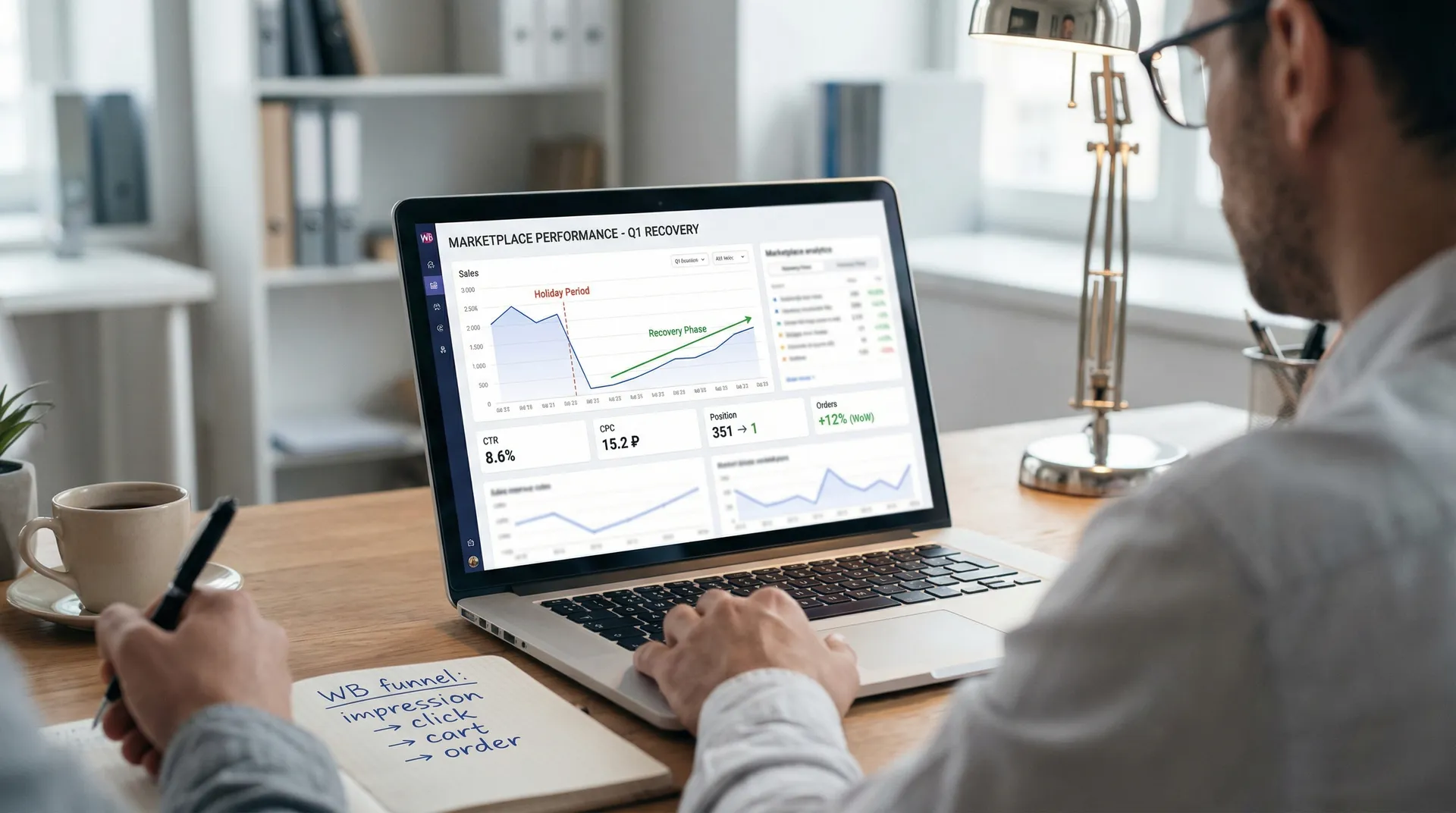
In practice, this is exactly the approach that separates sustainable imports from the lottery today: when the exchange rate, rates, commission of intermediaries and the cost of money change, a calculation error of 3-7% easily turns a profitable product into a negative one.
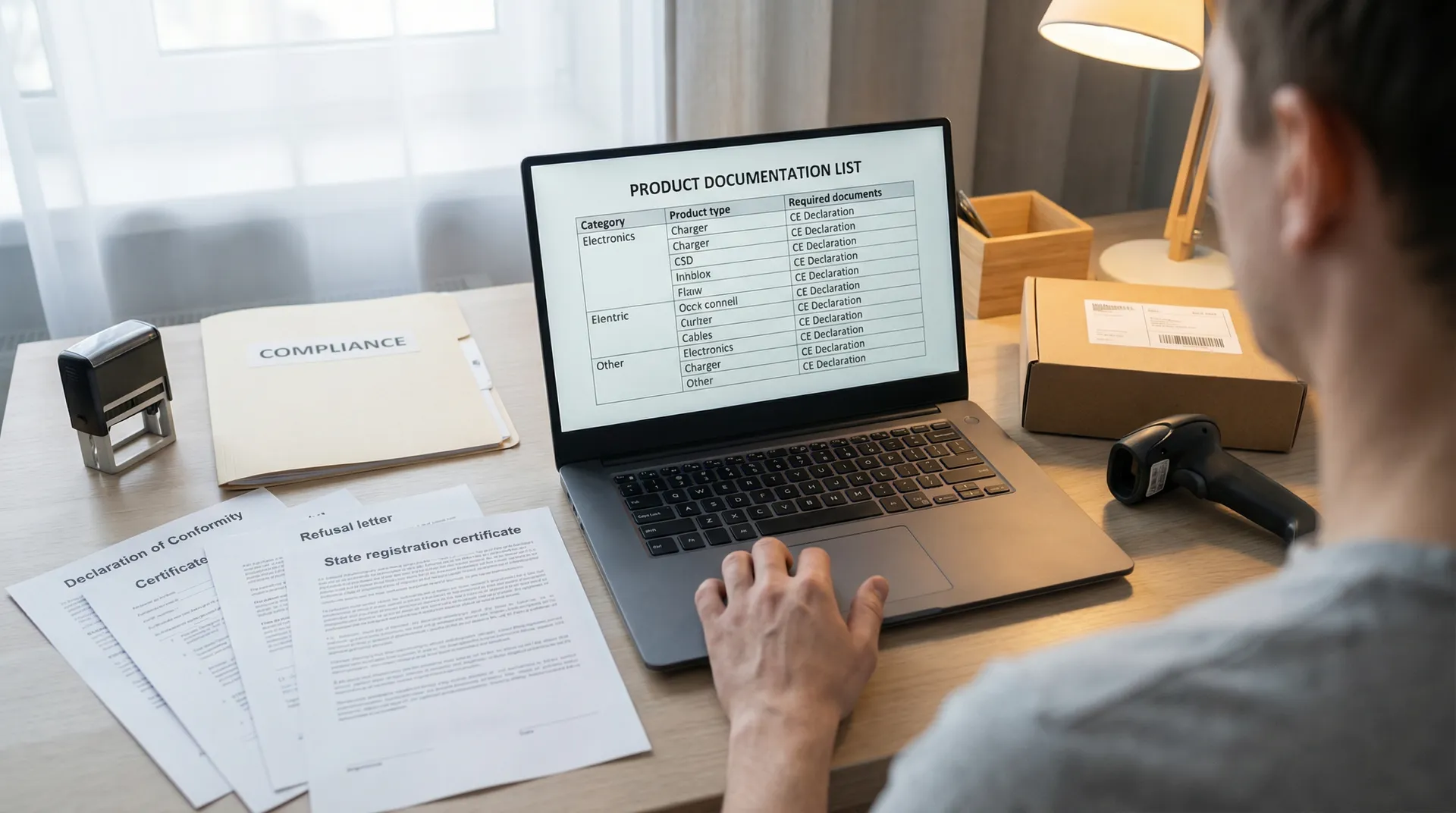
The first tool is a supplier contract calculator. It helps to estimate in advance the real cost of the purchase "in white": the official contract, the transfer of payment through a checking account, the tax burden and the final cost. This is especially important for those who are used to comparing offers only according to the factory's price list: in reality, the final price is formed not at the moment of “agreed”, but at the moment of “everything is paid, executed and documented".
Link to the calculator: https://dmtradelogic.ru/contract-tax
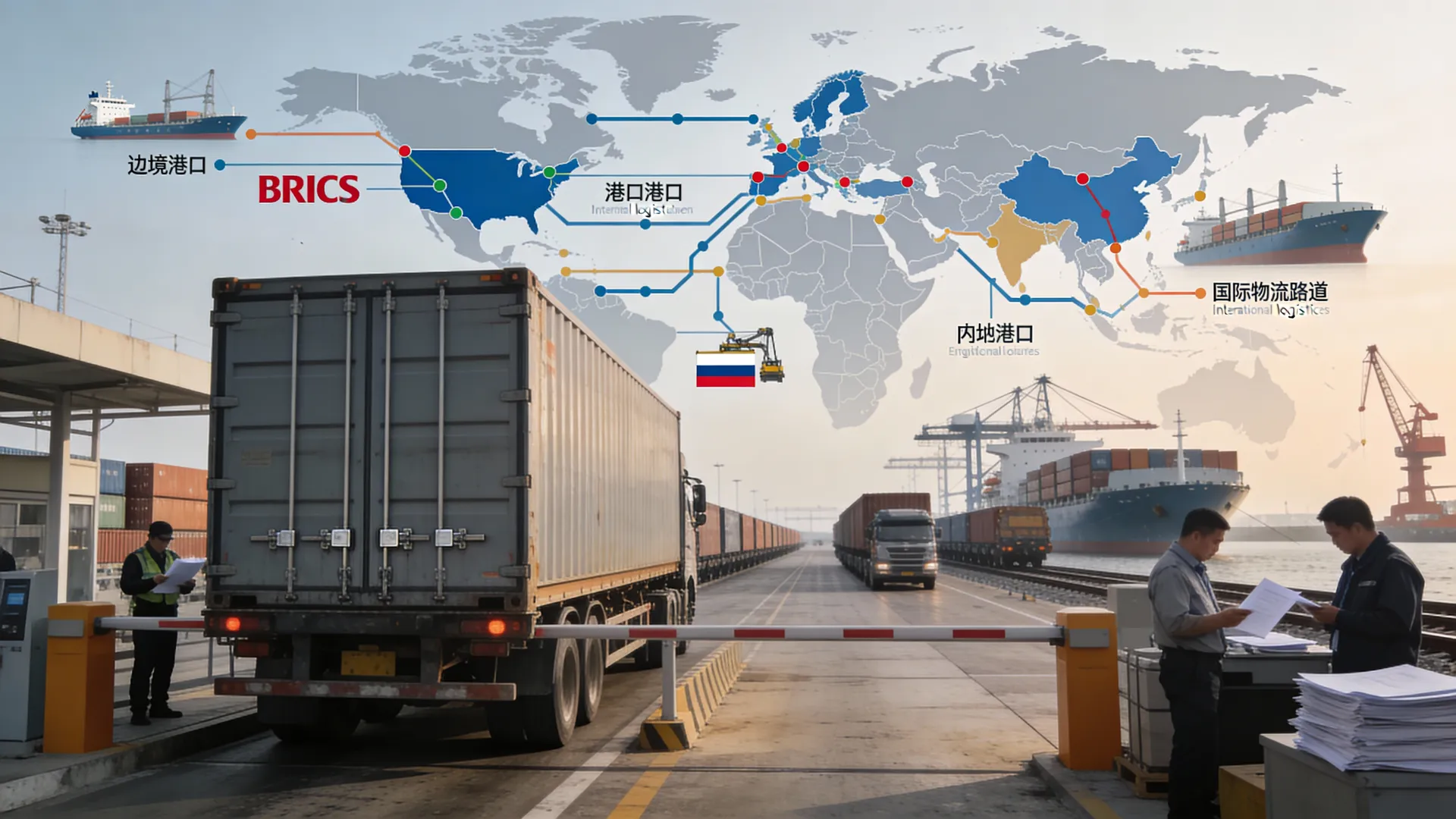
The second tool is a China → Russia transshipment calculator across the Heihe — Blagoveshchensk Bridge. For the Far East, this is one of the routes where the final economy depends on small things: the shoulder of delivery to the transshipment point, tariffs for operations, seasonality, speed, and risks of downtime. The calculator allows you to understand "how much the route really costs" and compare it with
There were no alternatives before the money went into the chain.
Link to the calculator: https://dmtradelogic.ru/heihe-blago
Why is this important on holidays? Because at this time it is easier to build financial discipline: check the contract model, calculate taxes, recalculate logistics, compare margins and determine the boundaries of the bid: where else you can buy and carry, and where you can no longer. And this reduces the risk of the classic mistake of foreign economic activity: "the product is good, there are sales, but for some reason there is no money."
A separate value is a call for improvement: the tools are alive, and if there are not enough fields in the calculations (for example, the cost of money / installments, insurance, additional warehouse services, paid downtime), users can highlight gaps to make the calculators more accurate.