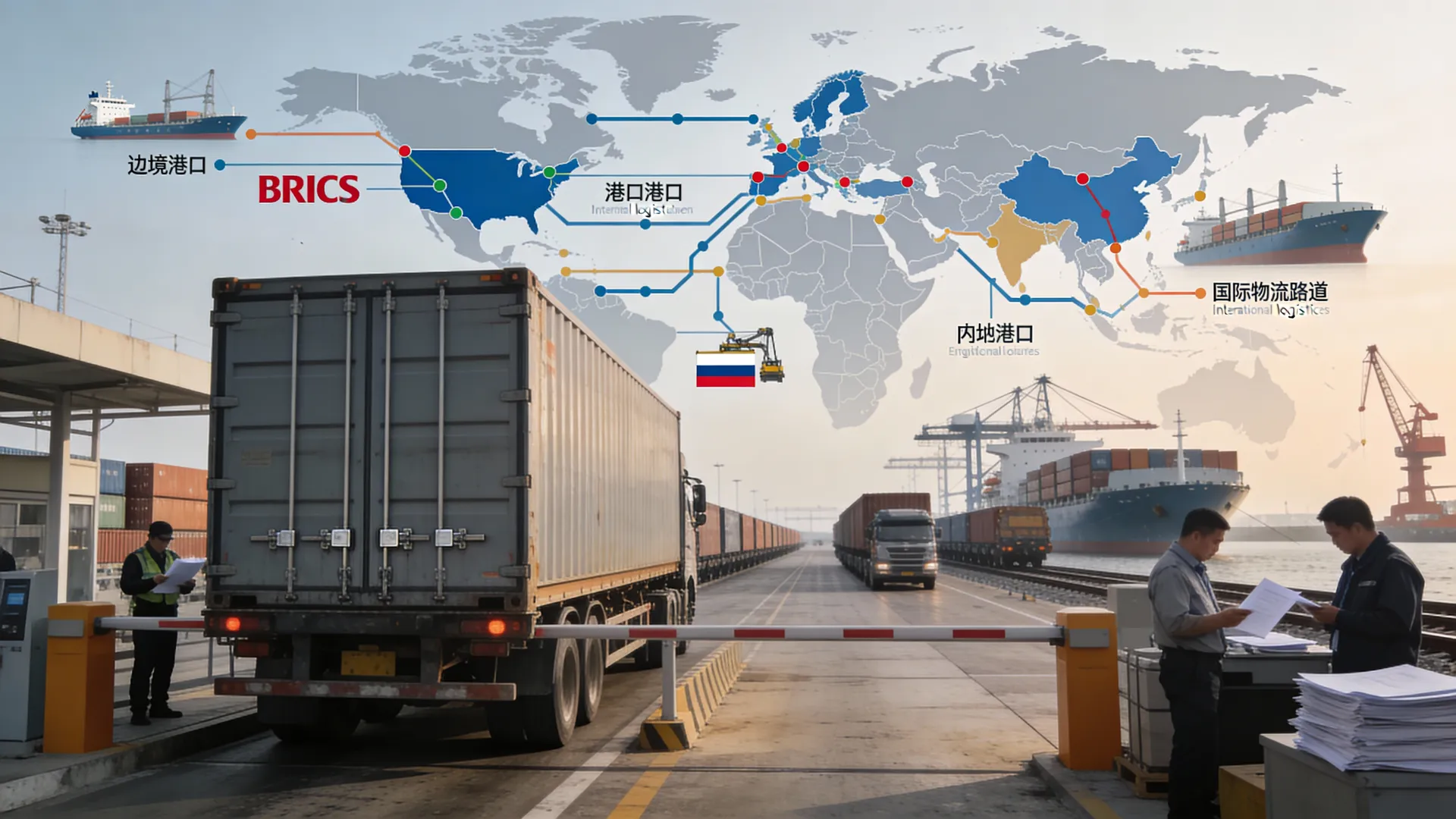
The freight transportation sector in Russia is facing increased attention from financial institutions. Business related to the transportation of goods regularly comes to the attention of banks' compliance services, which often leads to the temporary blocking of current accounts under the famous 115-FZ. This law, aimed at countering money laundering and terrorist financing, obliges credit institutions to carefully monitor customer transactions.
The risks are particularly high for transport companies and individual entrepreneurs in this industry. The specifics of their work involve constant cash flow: regular transfers to contractor drivers, payments for fuel and spare parts, settlements with logistics partners, and large cash withdrawals for household needs on flights. For a banking algorithm, such operations may look suspicious and resemble schemes for cashing out funds or transit payments.
Experts in the field of financial security identify several key reasons that most often lead to blockages. One of the main reasons is the incomplete or unclear indication of the purpose of the payment. Formulations like "for services" or "under contract" without specific details of the contract number, date and essence of the services provided immediately raise questions. The bank needs an understandable and transparent financial chain.
Another alarming signal is the situation when an individual entrepreneur shows significant revenue, but at the same time, employees or contractors do not appear in the documents. This raises a logical question: how is one person physically able to provide such amounts of work? Operations similar to transit operations are also under close supervision, when money from the client is transferred almost instantly to the subcontractor, without delay on the company's account.
Regular withdrawal of significant amounts of cash with the wording "for household needs" or "other expenses" without providing supporting documents (checks, certificates) is also considered a risky practice. It is equally important to avoid mixing personal and business expenses. Payment from the company's checking account for a vacation package or home products is a direct violation of the rules for using funds of a legal entity or sole proprietor.
A low tax burden with active account turnover is another red flag for the bank. Financial monitoring is guided by the recommendations of the Central Bank, according to which the tax burden should not fall below 0.9% of the outgoing turnover. For the transport and storage sector, the industry average for 2024 was about 6%.
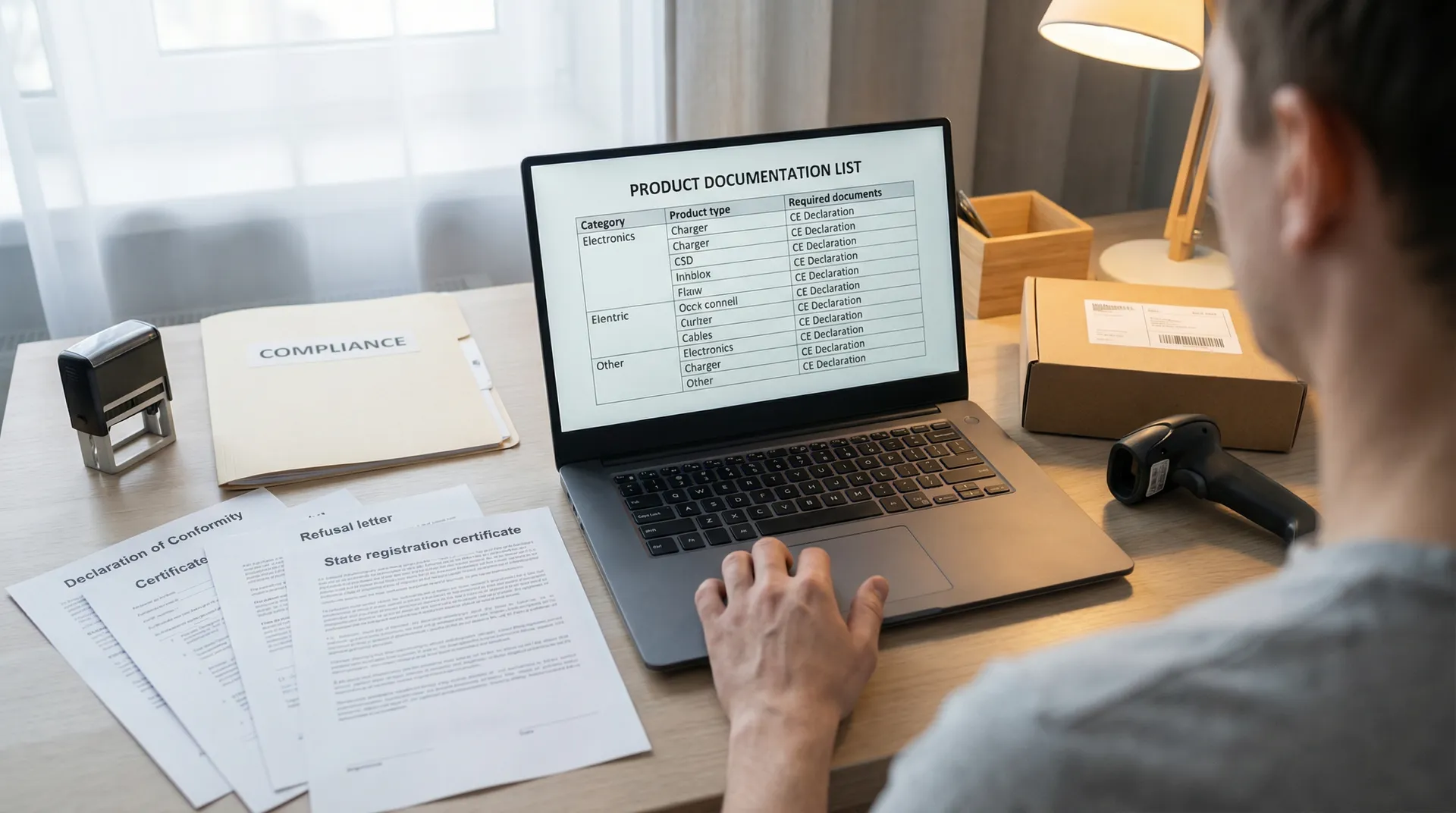
In order to minimize risks and conduct business calmly, transport companies need to adhere to a number of rules. First of all, it is the scrupulous registration of all primary documentation: contracts, waybills, waybills, acts of completed works. These documents are not only the basis for calculations, but also serve as the main proof of the legality of transactions upon request from the bank.
It is extremely important to fill out the purpose of the payment in detail and clearly in both outgoing and incoming transactions. Instead of "Payment for transportation", you should specify "Payment under contract No. 123 dated 09/01/2025 for cargo transportation (refrigerators) on the route Moscow — St. Petersburg". This approach removes most of the issues at the stage of automatic verification.
It is not recommended to split large payments into several small ones. If the counterparty has issued an invoice for a certain amount, it should be paid with a single transfer. For transparency of operations, it is better to limit work with cash as much as possible, giving preference to non-cash payments and the use of business cards to pay for fuel, repairs and other running costs. This creates a clear and controlled trail of all expenses.
It is also necessary to ensure that the operations performed comply with the declared codes of the OKVED, and promptly notify the bank of changes in activities. Regular payment of taxes and fees from the main checking account helps to demonstrate financial discipline and transparency of the business.
If the account has been blocked, do not panic. The first step is to check the online banking for an official request from the credit institution. Next, you need to promptly and fully provide all the requested documents, accompanied by detailed explanations on the disputed transactions in free form. If there was no request, you should contact the bank yourself to find out the reasons. If the dialogue with the bank has reached an impasse, the next step is to file a complaint with the interdepartmental commission of the Bank of Russia, and in extreme cases, to the court.