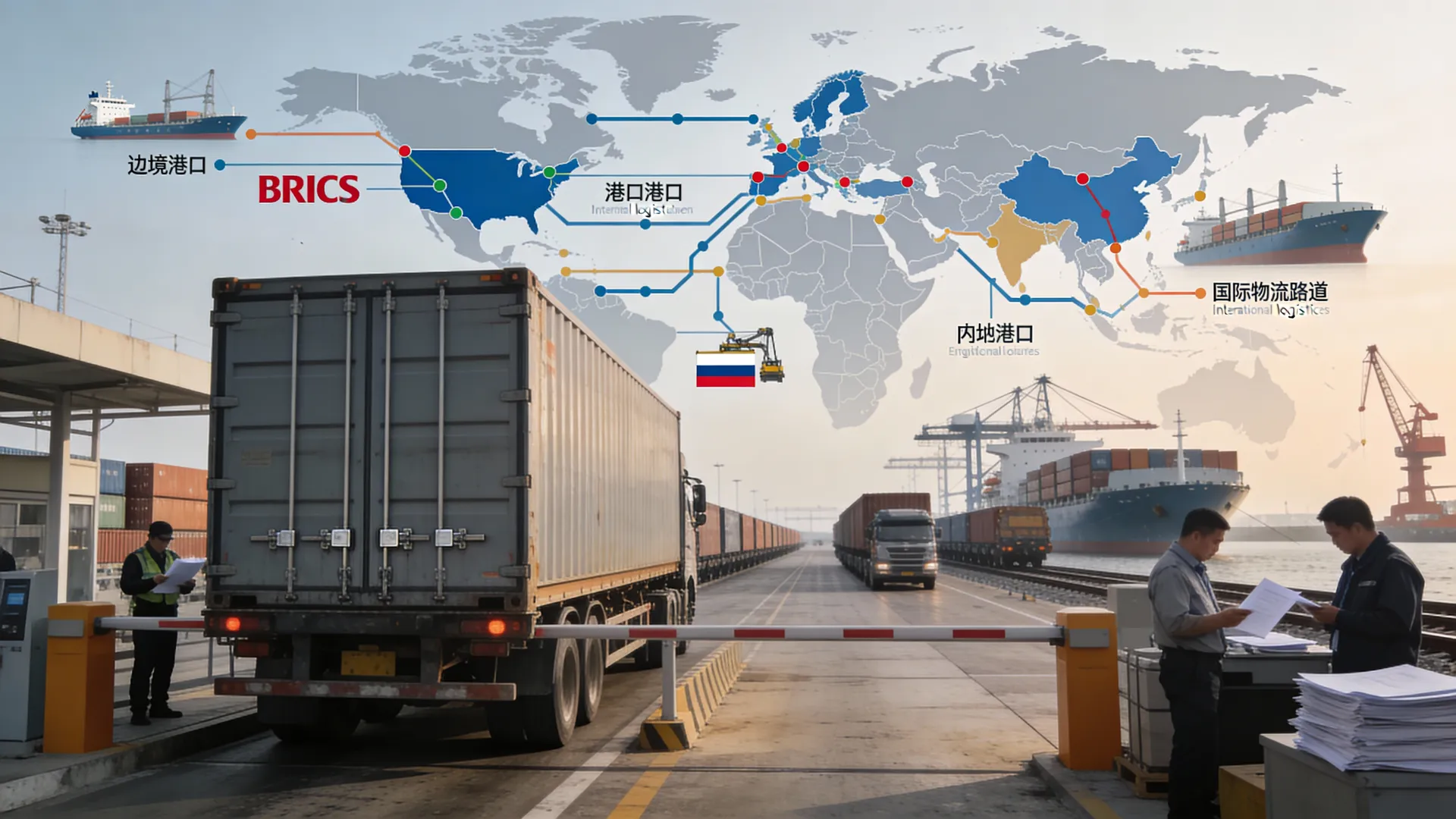
For the first time in the last five years, Russia's logistics industry has faced a large-scale recession. In 2025, analysts are recording a sharp decline in demand for road and sea transportation. Experts call the current year a turning point and predict consolidation of market participants: large operators will strengthen their positions by absorbing regional competitors.
The reason for the decline was the high key interest rate, which limited the availability of loans to businesses and reduced the volume of orders. Market participants admit that many companies have had to return leasing equipment, reduce staff, or even cease operations. Rising fuel costs, toll roads, and fleet maintenance have worsened the situation, and the Platon system has added to the financial pressure.
The marine segment has also not escaped difficulties. Cargo turnover at the ports of the Azov-Black Sea basin decreased by almost 12%. Lower energy prices and the abandonment of dollar payments, the transition to yuan and rubles — all this has complicated cooperation with foreign partners. In the south of the country, where large logistics hubs are concentrated, companies are actively rebuilding: they are introducing new routes, strengthening their work with China, Turkey and the countries of the Middle East.
According to market participants, the industry is adapting despite the difficulties. New supply chains are being formed, interest in bulk shipments is growing, and competition is shifting from prices to quality and speed of service. Leading companies are already investing in process automation and logistics digitalization.
Experts believe that the coming months will be decisive: those who fail to cope with the workload will leave the market. But in the long run, it is flexibility and technological development that will become the basis for growth. And although the decline was recorded for the first time in years, the industry is showing a willingness to restart on new principles.