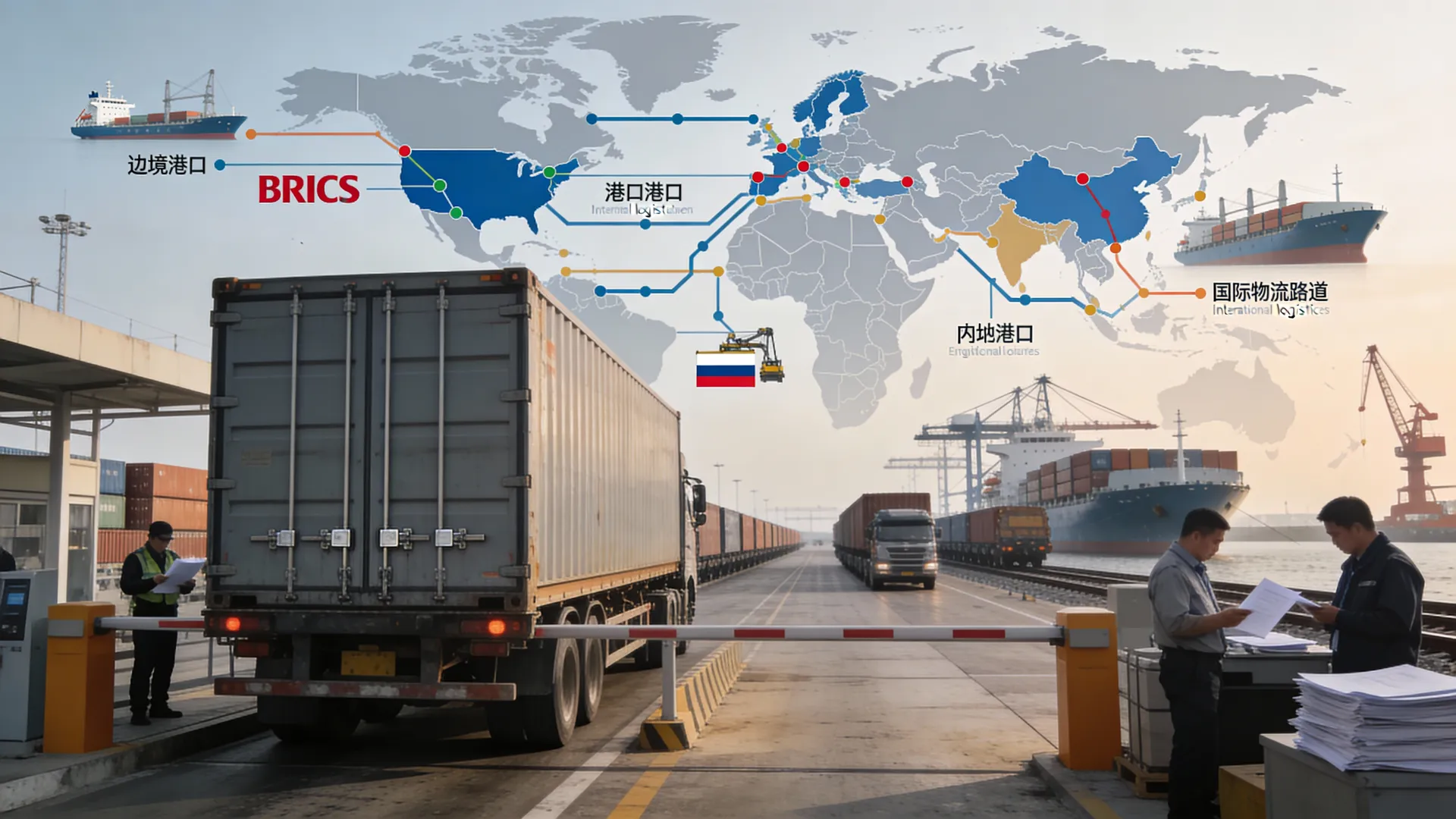
A key marker of the current situation is the depth of traffic failure after attacks on merchant ships. According to estimates by international organizations, at the beginning of 2024, the passages through Suez noticeably sank year by year, and part of the flows flowed to circumnavigate Africa, lengthening the shoulder and "eating up" the free fleet.
Against this background, any signals of "normalization" instantly affect the rates: shortening the flight time automatically releases capacity and puts pressure on freight, but only if the return becomes massive and sustainable.
The expert opinion of market participants agrees on one thing: it's too early to jump to conclusions. As Vitaly Savchenko, Deputy head of the multimodal logistics department at Kanavara Logistics, emphasizes, "It is premature to call this a return" — it is more correct to perceive what is happening as a guideline for the future, rather than as a fait accompli.
According to him, CMA CGM made more active attempts to "find" the channel by conducting separate large—capacity container ships, but then the carrier returned to bypassing again - too many variables remain beyond the control of the business.
A separate intrigue is what this means for Russian cargo. Maersk, as before, is not an option for direct deliveries to the Russian Federation, so the practical effect for domestic importers/exporters will depend on the behavior of the lines that continue to work with Russian ports and the agency network. Two factors are important in this field: (1) the willingness of carriers to take on the route risk and the cost of the military/security component, (2) the position of insurers. As long as insurance and the "risk premium" remain high, it is not worth waiting for a quick rollback of rates to "pre—crisis" values, even if individual services begin to return to Suez.
At the same time, as logisticians aptly describe the situation, "The market does not tolerate emptiness": while some of the global lines avoided the Red Sea, new and regional players occupied the niche, who continued to pass through Suez, building their own safety schemes and schedules. This is important: even with the improvement of the situation, supply chains have already been rebuilt, which means that the "reverse migration" of routes will be gradual.
The alternatives haven't gone away. The Cape of Good Hope bypass remains the basic plan B: it is more expensive in terms of fuel and time, but more understandable in terms of risks. The second long—term trend is the development of the Northern Sea Route: for Russia it is about the sovereignty of logistics and seasonal windows, and for Asia and Europe it is about experimental routes that cannot yet replace Suez, but can become part of diversification.
The main conclusion for foreign economic activity in the coming months is that a return to Suez is possible, but in a "package" - along with escorts, insurance, revised schedules and the willingness of customers to pay for predictability. Therefore, cargo owners should include route flexibility in contracts, and planning should include a scenario where the Red Sea "improves" but does not become completely calm in one season.