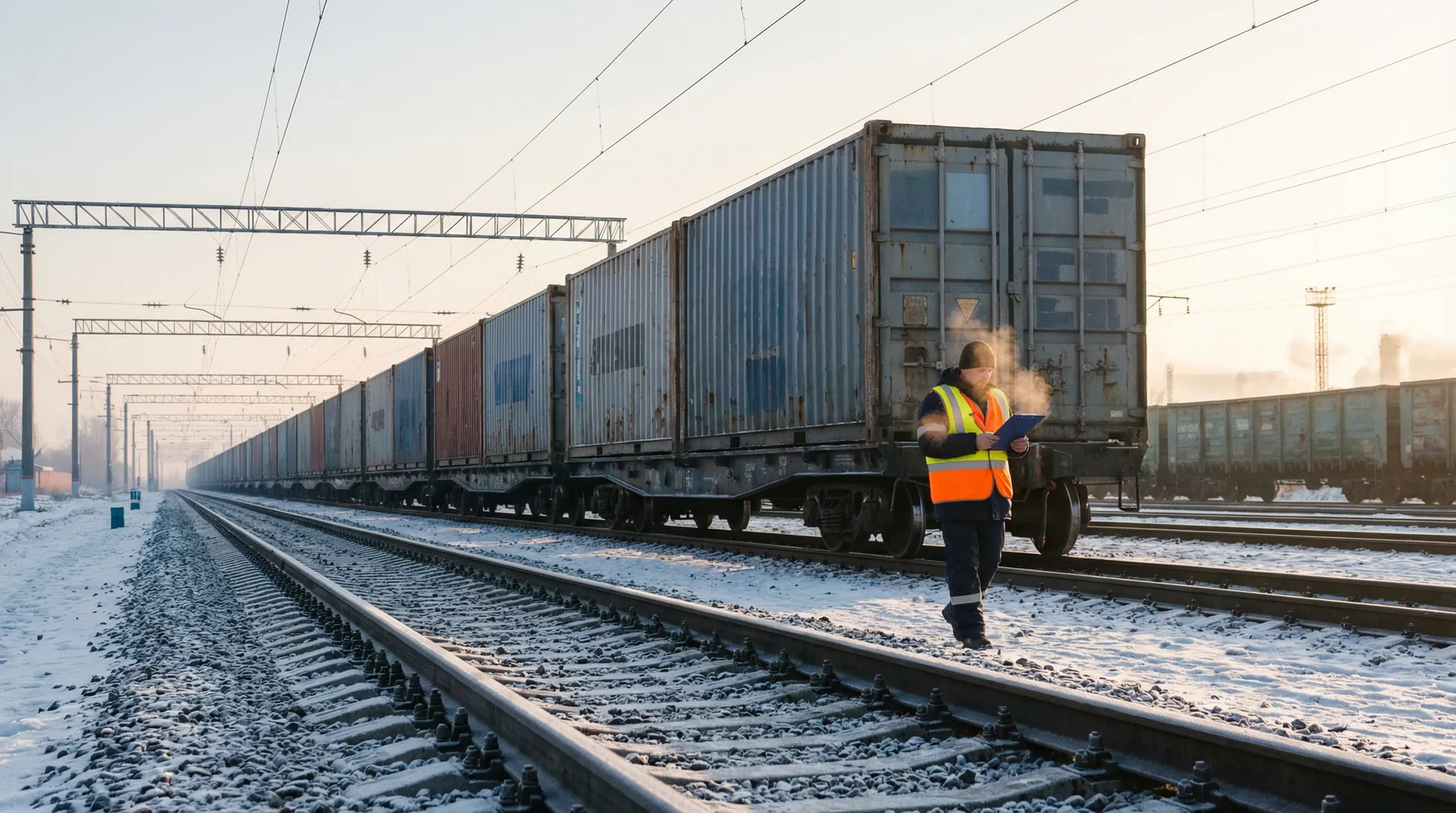
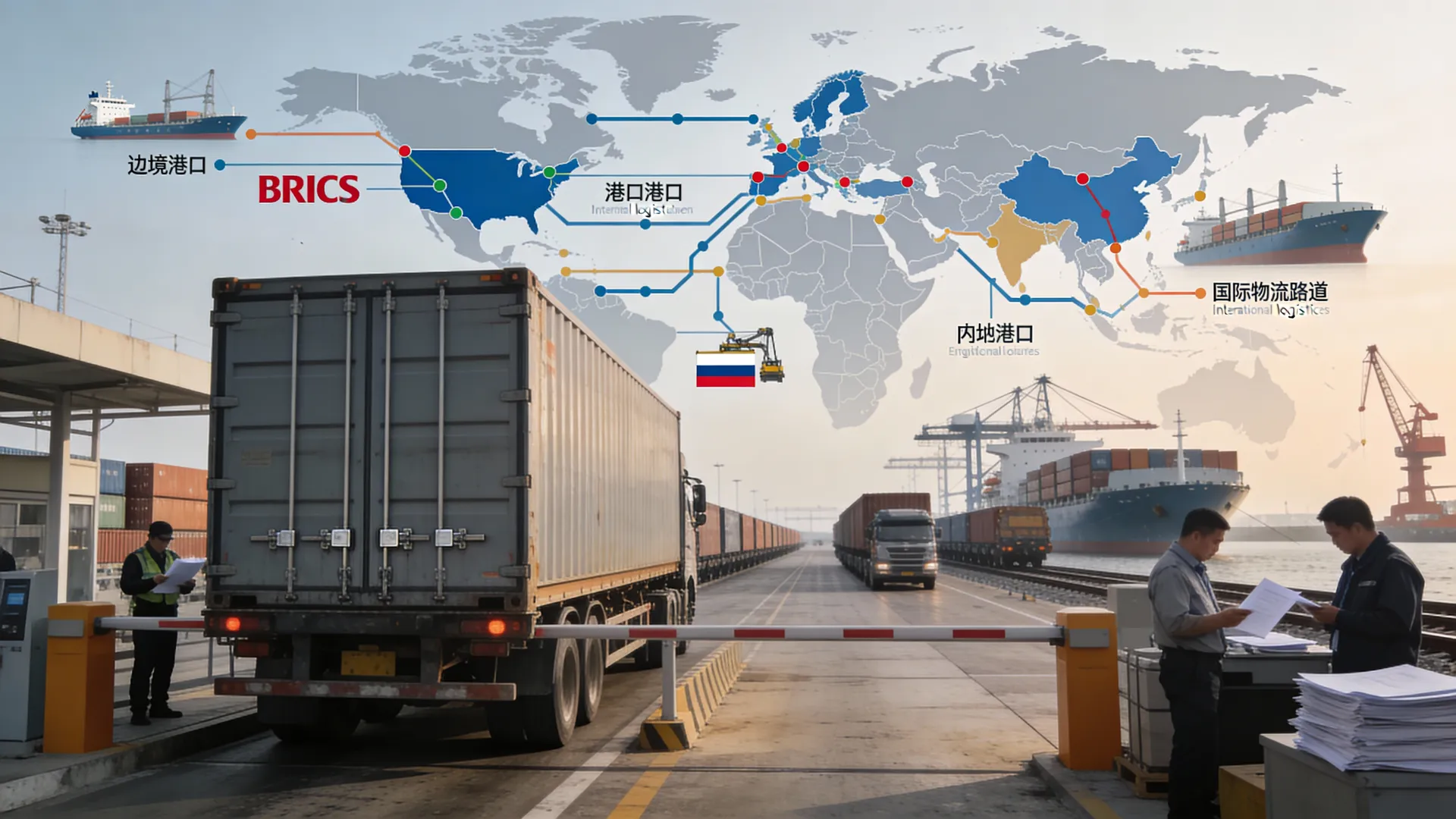
China has launched a new freight rail route that connects Nanchang (Jiangxi Province) and Baku via the Trans-Caspian International Transport Route (TMTM). The first train departed from the international land port of Nanchang, consisting of marble products, cotton fabric, wallpaper and other goods. The passage to China–Kazakhstan is announced through Khorgos, then through the territory of Kazakhstan and crossing the Caspian Sea to the Azerbaijani port of Baku.
The key figure here is the reduction of transit from the previous 50 days to 18 days. This time gain is not just "faster arrival": for exporters, it means faster capital turnover, less pressure from inventory balances, and more accurate sales planning. Additionally, the report noted a reduction in logistics costs by an average of 15-20% and a reduction in losses from spoilage and repeated transshipment, which are more common with long sea shoulders.
Why is this launch important right now? In practice, the market is looking for routes that are less dependent on instability in marine bottlenecks. The TMTM here acts as a "prefabricated structure" of the railway + Caspian + a further arm through the South Caucasus. The report specifically emphasized that the route avoids bypassing the Suez Canal and the Red Sea, which is a direct response to the growing need to diversify transport risks.
A separate practical meaning is the role of Baku as a hub. According to the plan, after arrival in Baku, the cargo can move on to Turkey and other countries and regions, which turns the point-to-point route into the basis for regular multimodal service. For cargo owners, this means the opportunity to build supplies not only for Azerbaijan, but also for a wider geography, provided that the ferry schedules and terminal windows are stable.
It is also important that the launch is not an isolated one: in Jiangxi Province, there are already 13 international routes within the framework of China–Europe and China–Central Asia railway freight transportation, they cover more than 200 countries and regions and serve more than 500 foreign trade enterprises. This shows the systemic focus on expanding overland logistics and "bundling" business demand.
What can this mean for Russian logistics and foreign economic activity indirectly:
- The competition of the corridors will increase: some of the cargoes that used to go by sea "out of habit" will test the Middle Corridor for the sake of predictability.;
- the value of a competent multimodal connection will increase (railway timetable, terminals, ferry, documents);
- There will be more cases when speed is more important than the "minimum bid", which means that the demand for services with guaranteed transit and transparent SLA will increase.
Nanchang–Baku is not about a one—time shipment, but about consolidating TMTM as a working alternative to long sea routes, especially during periods when the market needs speed and manageable risk.