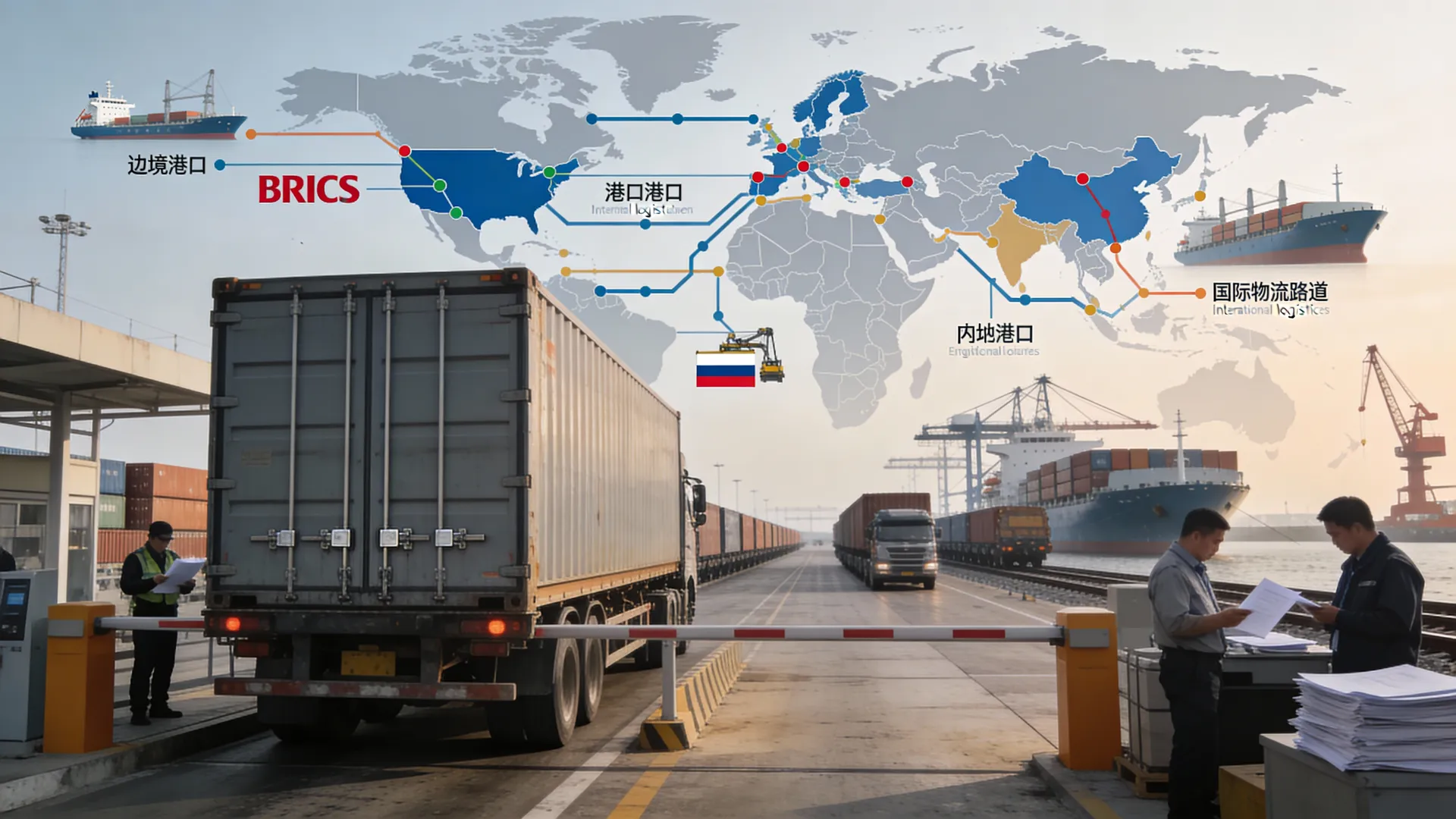
NOE Transport subsidy-2026: up to 60% of expenses, a limit of 200 million rubles and 11% of the shipping cost

Key support ceilings have been confirmed for exporters of non-primary non-energy exports (NEE):
- The subsidy is limited to 11% of the cost of the delivered products for the reporting period;
- It is possible to compensate up to 60% of the actual transportation costs incurred to the final foreign buyer.;
- a maximum of 200 million rubles per company.
A separate important signal for the market: for 2026, 2.46 billion rubles have been allocated in the federal budget for this measure (against 5.9 billion rubles in 2025), while the three-year planning indicates an increase to 9.1 billion rubles in 2027 and 10.2 billion rubles in 2028.
Why should a business react in advance
Reducing the overall "pie" while maintaining attractive percentages almost always means one thing: competition for the limit will increase, and those who win will be:
- I have already "tied" routes and contracts to the requirements of the program;
- prepared an evidence base for expenses (freight, port charges, terminal handling, ground shipping, etc.);
- He is able to quickly assemble a package and pass the selection process without modification.
Another detail that changes the game in 2026: it is stated that chemical industry enterprises that have not previously been recipients of this support measure will be able to apply. This expands the pool of applicants and further increases competition for the budget.
What to look for in export and logistics management
1) Influence on the price and negotiations. Transportation compensation is not just about "money after." This is an opportunity to recalculate the commercial offer and make the terms of delivery more competitive: lower the price somewhere, keep the margin somewhere, and offer the buyer a more expensive (but reliable) delivery service.
2) Transparency of costs along the route. In order to really "take away" up to 60%, expenses must be collected in a clear structure.: sections of the route, documents of the carrier/forwarder, confirmation of payment, and the connection of the expense with a specific export shipment.
3) Efficiency requirement. The rules emphasize the focus on results — a condition is provided for a mandatory increase in export shipments compared to the previous period. This means that the subsidy works better for companies with a growth plan than for those who "just maintain the current volume."
Practical conclusion
In 2026, the NOE transport subsidy is not a tool about a "pleasant bonus", but about the restructuring of the export economy: whoever puts compensation in the price model in advance, chooses the right terms of delivery and prepares supporting documents, he will be able to simultaneously reduce the logistical burden and strengthen his position in negotiations with a foreign buyer. And due to the lower budget for 2026, the speed and quality of application preparation are becoming more critical than ever.