Russia accelerates Chennai–Vladivostok corridor: a bet on trade and logistics with the South of India

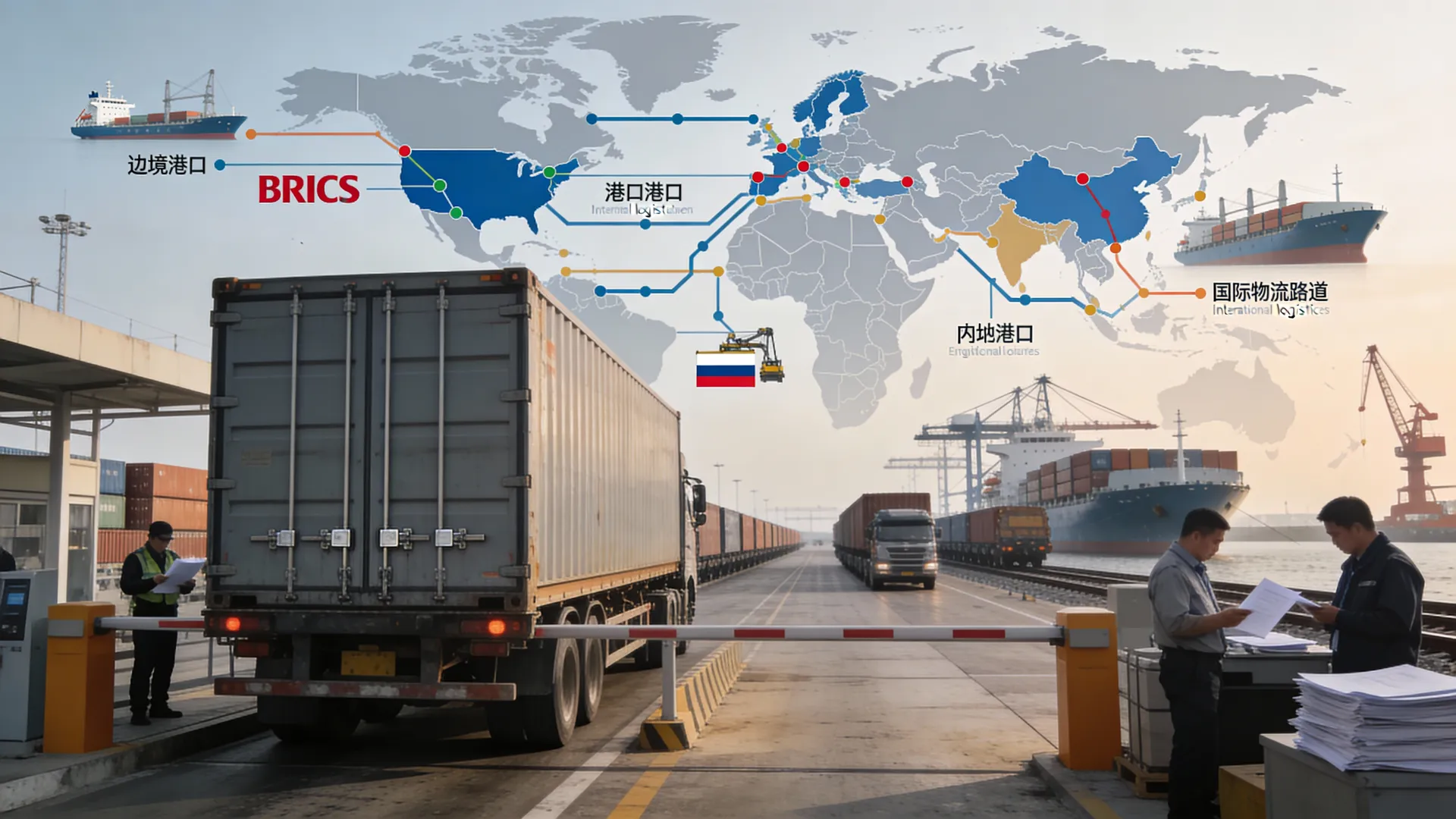
Russia is stepping up work on the launch of the Chennai–Vladivostok sea corridor, which is supposed to connect the east coast of India with the Russian Far East and become a separate logistical "shoulder" in trade between the two countries. According to Valery Khodzhaev, the project is considered strategic and is designed for a long distance — they do not promise quick miracles, but they confirm the course of implementation.
The key practical meaning of the corridor is the economics of time and distance. The profile estimates include a length of about 5.6 thousand nautical miles and a guideline for reducing transit to about 24 days compared to routes that often take 40+ days when passing through longer chains and overloads. For exporters, these are not "beautiful figures", but a reduction in storage and financial costs, and for carriers it is a chance to collect a stable cargo flow on a regular line.
Key quotes and context
Khodjaev separately emphasized the strategic role of the corridor and made it clear that the launch would take time.
"From a strategic point of view, the Chennai–Vladivostok corridor is extremely important. We are working to make this route operational. This will not happen overnight, but it is an initiative that we must implement," he said, explaining Moscow's position on the project.
The second line of his speech is the desire to "rebuild" trade and expand cooperation beyond the usual areas, focusing on South India.
"We are working to make our trade more balanced. South India, in particular, plays a big role, whether it is the modernization of railways, energy, technology or industry," the diplomat noted.
Why bet on South India?
This is a rational choice for logistics: the southern states provide an industrial base, export clusters, and competencies in engineering, pharma, and processing. The port–to-port corridor is easier to develop when there are clear cargo generation points and regular contracts on both sides. Therefore, the statements also mentioned industries where cooperation is already taking shape: pharmaceuticals, agriculture and agrotech, healthcare, shipbuilding and aircraft manufacturing.
"Many Indian companies are already actively working with Russia, especially in pharmaceuticals, agriculture, agrotechnology, healthcare, shipbuilding and aircraft manufacturing," Khojaev said.
What does this mean for freight transportation and foreign economic activity
- There is an alternative route for some of the flows that today go through congested or longer chains. The shorter the "sea + shoulder to warehouse", the easier it is to keep the price in B2B contracts and the stability of supplies.
- The structure of demand for services is changing: the role of forwarding, port handling, insurance and turnkey container service is growing, because it is not the line itself that is important to business, but guaranteed delivery "to the gate".
- Competition for regularity is intensifying: in order for the corridor to become commercially sustainable, we need predictable volumes, a schedule of ship calls, and clear conditions for reloading (otherwise, tariffs will quickly "eat up" the benefits of shortening days).
Bottom line: if the corridor can be transferred from project status to stable practice, it will become not just a "new route" for India and Russia, but a tool to reduce logistical risks and accelerate trade, especially for companies operating with long production chains and expensive working capital.