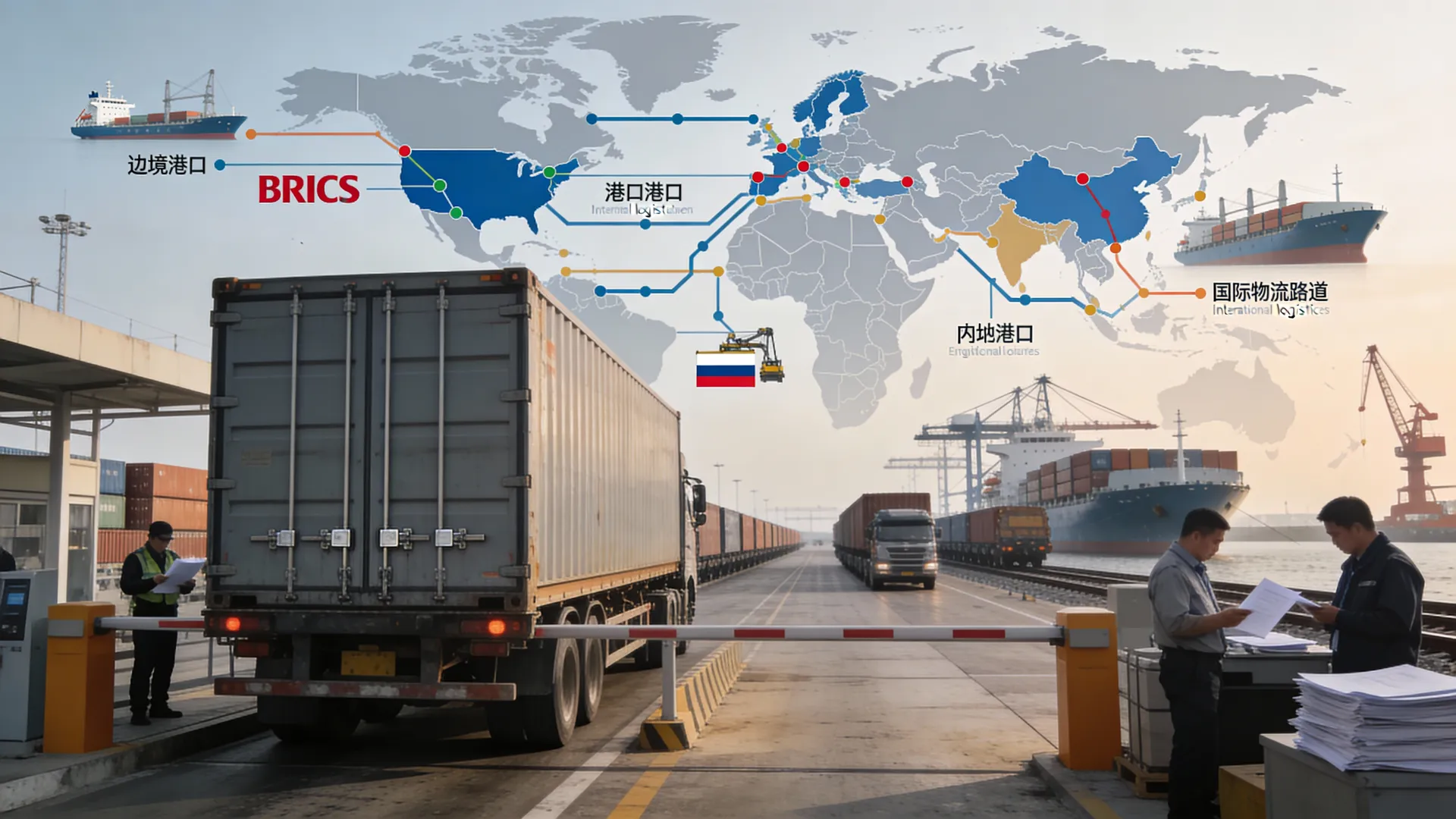
According to the terms of the memorandum, the parties will use electronic systems to transmit data on the condition and location of the rolling stock. This will allow you to track the route of wagons and containers with cargo throughout the route. To implement the agreement, it is necessary to prepare a regulatory reference base and coordinate classifiers, which is already in the work of specialists.
Such steps directly contribute to the development of the North–South international transport corridor, which gives Russia the opportunity to gain more convenient access to seaports and opens up access to the markets of the Middle East. Today, the corridor includes several directions, but the most actively used is the eastern branch, passing through Kazakhstan and Turkmenistan.
In addition, cooperation between Russia and China was discussed during the forum. Sergey Pavlov, First Deputy General Director of Russian Railways, said that the parties had agreed to increase the volume and range of goods transported through Zabaikalsk, the largest border checkpoint. The protocol has already been signed, and, according to preliminary calculations, the volume of shipments may increase by 5-10%.
According to representatives of the Russian side, such an expansion will be possible thanks to the support of colleagues from China and the changing market situation. However, before the agreements become fully operational, organizational issues related to the provision of additional loading volumes will have to be resolved.
Thus, the agreements concluded between Russia, Iran and China create new opportunities for the development of international cargo transportation, strengthening of transport infrastructure and expansion of export-import routes.