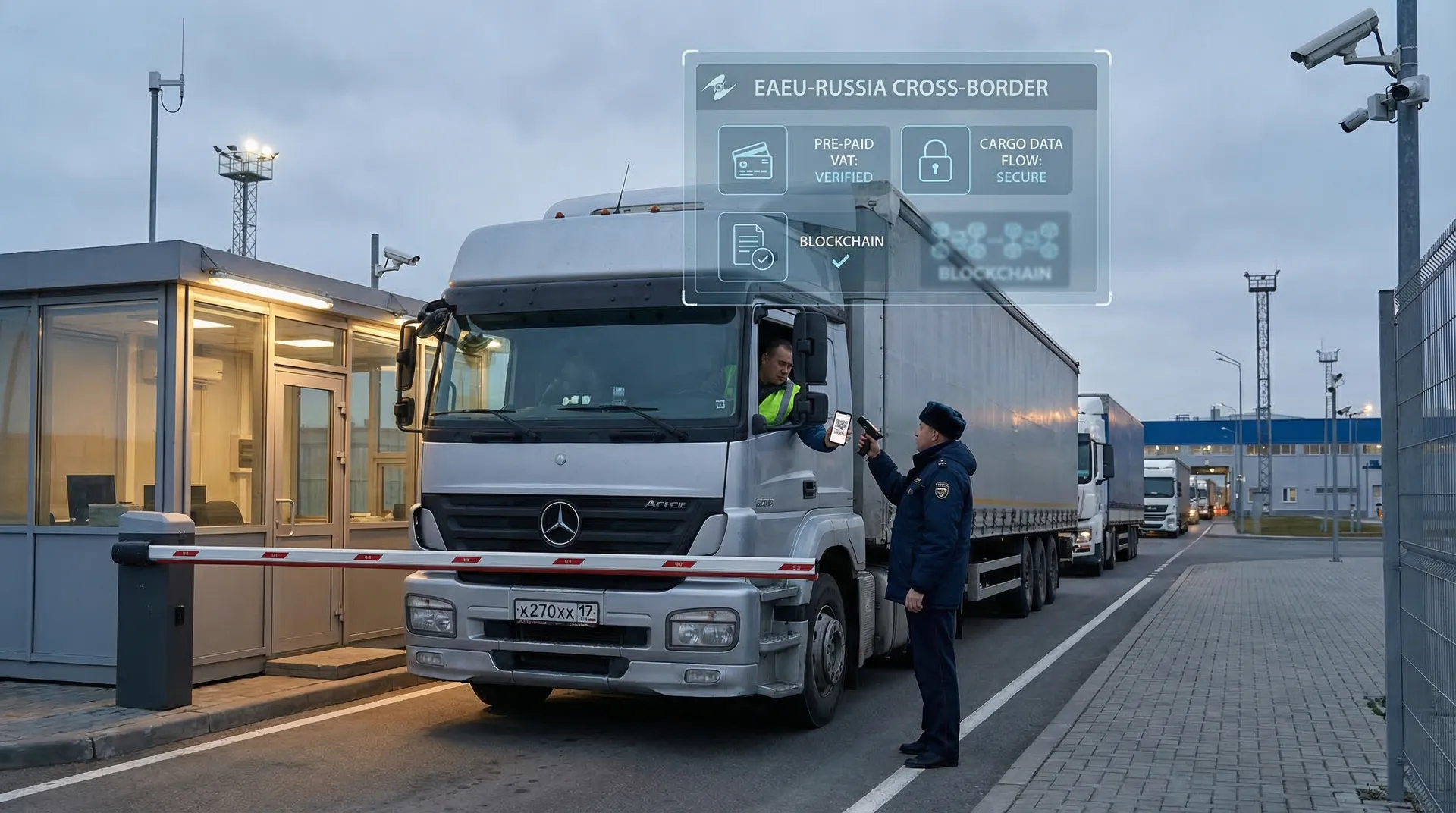
The Russian logistics market is entering a phase of difficult adaptation, and according to the experts of TC KIT, it is small trucking companies that are currently in the most vulnerable position. Despite the gradual stabilization of the industry, many companies still face challenges due to changes in the geography of supplies, rising costs and overloaded infrastructure.
After the dramatic transformations of logistics routes associated with the global reorientation of commodity flows, the industry faced a shortage of transport, high demand and a surge in prices. This gives a chance to large players and medium-sized companies, but makes the position of small carriers unstable. They are unable to flexibly adjust to new tariff models and promptly update the fleet, especially against the background of a shortage of equipment from Europe.
Rising prices for fuel, leasing, spare parts and financing have significantly affected the profitability of transportation. In the first nine months of this year, gasoline prices in the country have risen by more than 10%, which is significantly higher than the inflation rate. Such figures, according to Irina Mironova, executive director of TC KIT, make the activities of small transport companies less stable. Combined with growing customer expectations and staffing difficulties, this is leading to a massive exit from the market.
Another risk factor is the reduced attractiveness of the profession of a long-distance truck driver. The average age of employees in this field is approaching 50 years, and the younger generation is in no hurry to take their places. This further increases the shortage of personnel.
Nevertheless, companies with flexible business models are able to adapt. In TC KIT, for example, they use the "open book" approach, ensuring transparency of payments for both customers and carrier partners. This helps build trust, optimize costs, and maintain resilience even in difficult circumstances.
It is expected that the market will look for a new equilibrium point in the next 3-6 years. Companies willing to invest in digitalization, partnerships, and rethinking their operating model will be able not only to survive, but also to strengthen their positions.