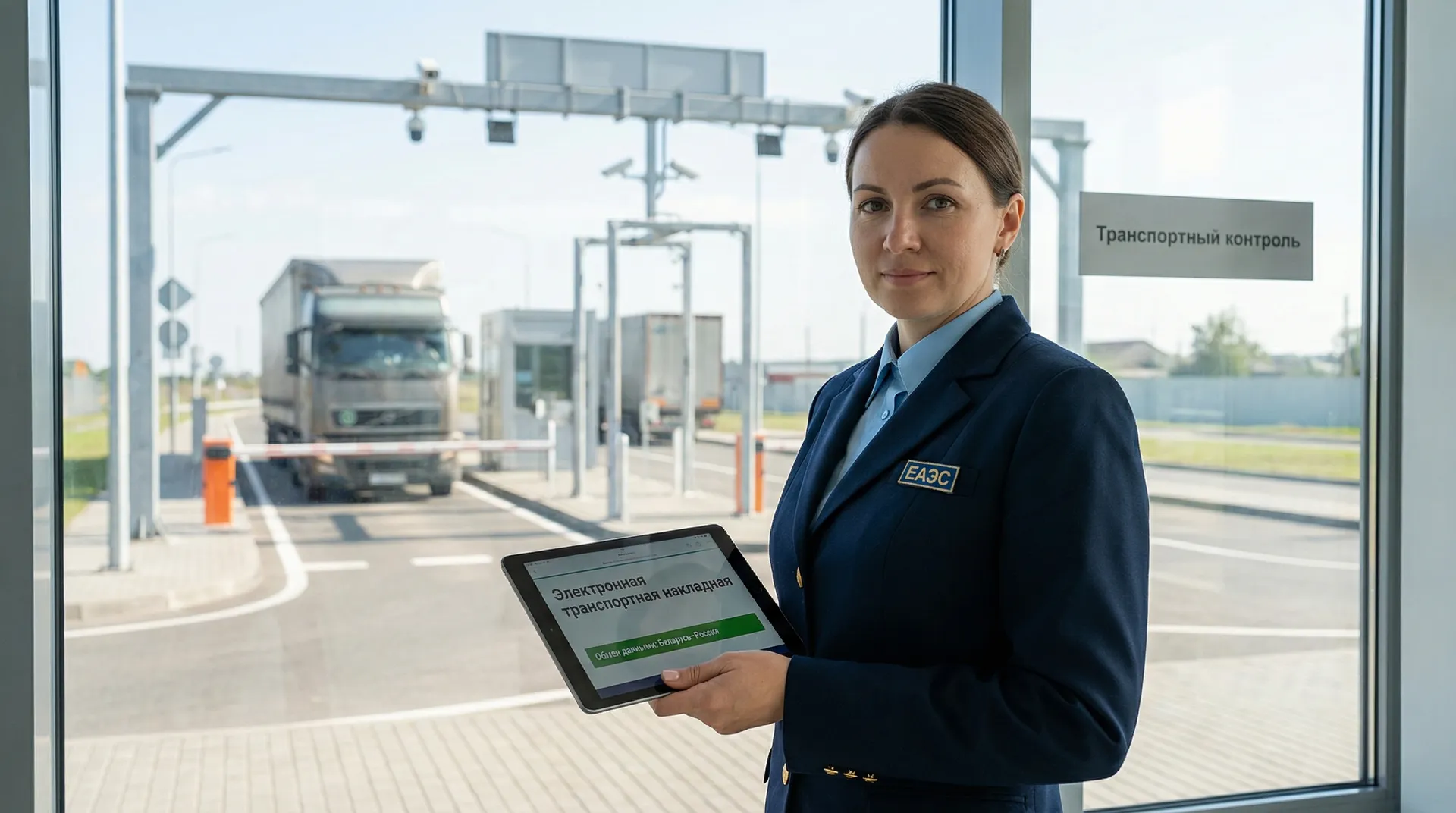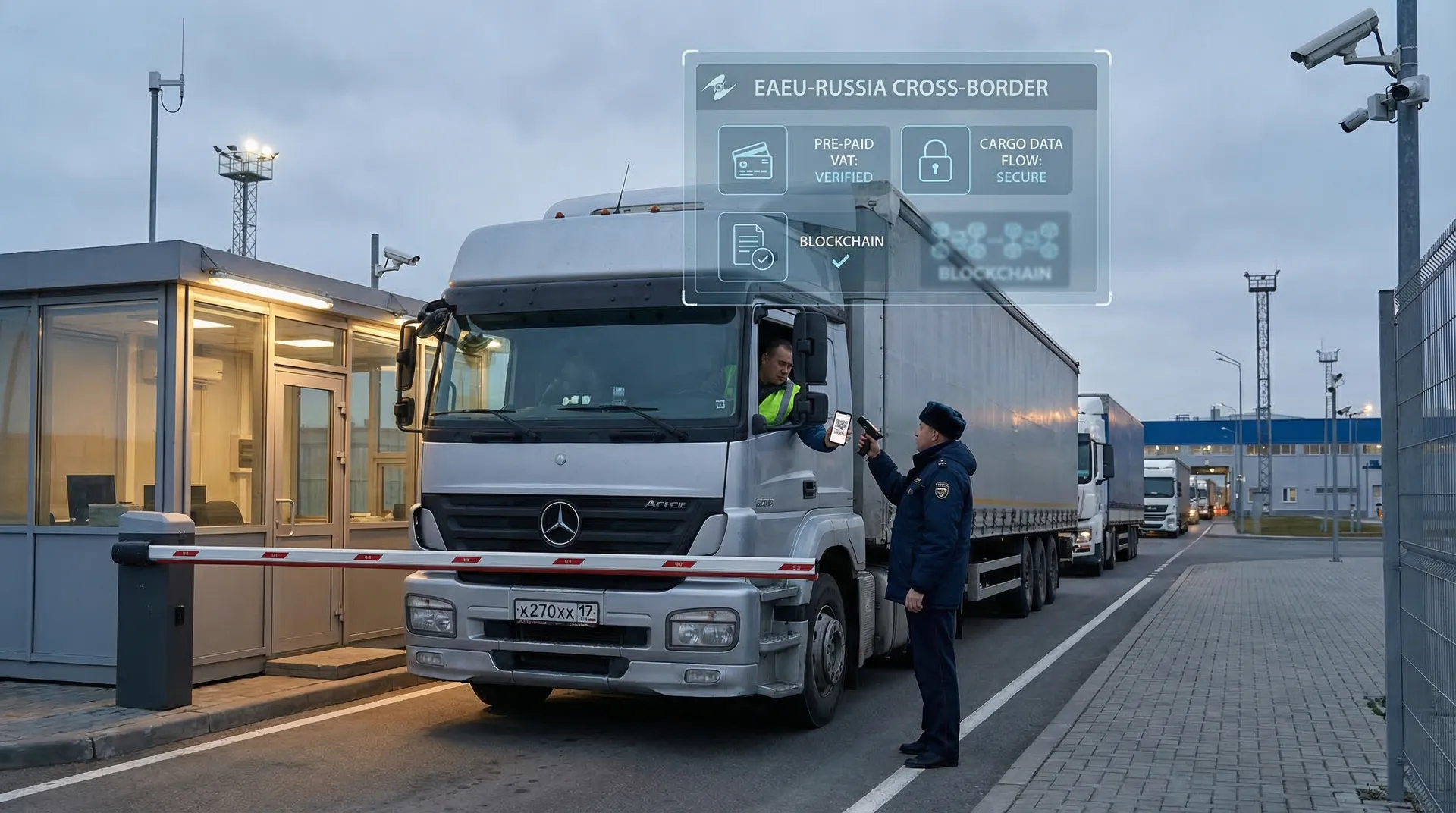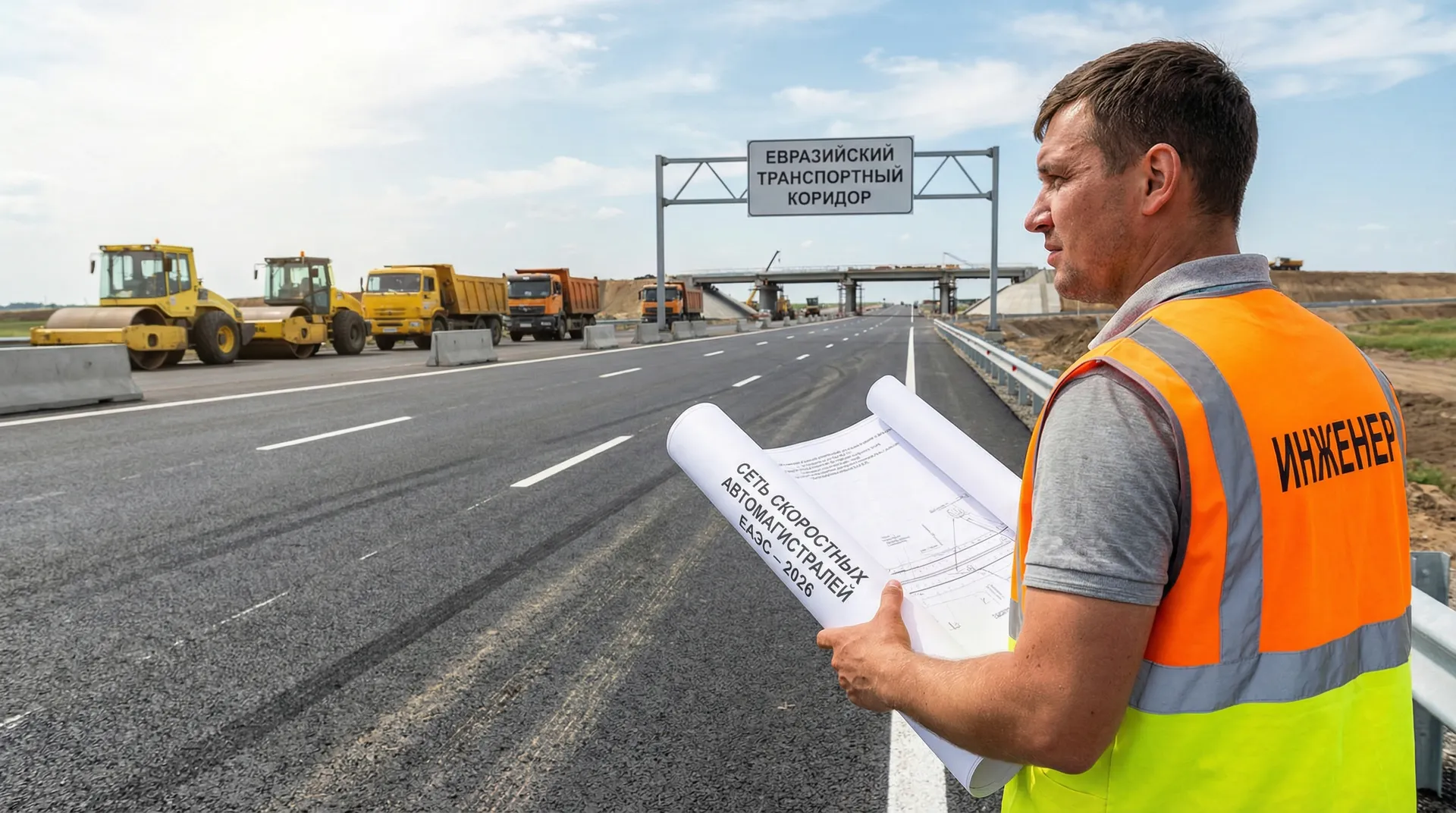
The EAEU states are moving towards the synchronous development of a network of expressways. The goal is to put key sections into operation at the same time and form connected Eurasian transport corridors, where the speed of the route depends on the unified logic of the infrastructure, and not on which country has the “slowest” segment. Andrey Nikitin, the head of the Russian Ministry of Transport, spoke about plans to synchronize construction schedules.
The approach is based on the technological compatibility of the corridor infrastructure. At the international transport and logistics forum, the ministers of the EAEU countries planned to coordinate passports, target indicators and requirements for the Eurasian Transport Corridors. This means moving from talking about "routes" to managing corridors as a system: with common capacity parameters, service for carriers, digital data requirements, and connections to checkpoints.
The very principle of "simultaneously" is important for the trucking market. If one section is being built faster, but the next one is lagging behind, trucks still run into a bottleneck and waste time on approaches to the border, interchanges, weight and size control points and entrances to logistics hubs. Synchronizing schedules reduces the risk that new kilometers of trails will only have an effect on paper.
The practical result for the participants of foreign economic activity consists of three things. The first is the predictability of transit time: this directly affects carrier rates, warehouse opening hours, and cross-docking planning. The second is the redistribution of flows: some routes may go to high—speed corridors, which changes the loading of terminals and the demand for roadside service. The third is standardization of requirements: it is more convenient to scale a corridor when traffic rules, service areas and digital procedures are similar in approach throughout.
In parallel, the EEC is working to coordinate the development of corridors and checkpoints as a condition for unlocking the transit potential of the Union. This reinforces the logic of the "assembled corridor": the road, border, control and digital procedures must support each other, otherwise the speed of the highway will be lost at the next stages of the chain.