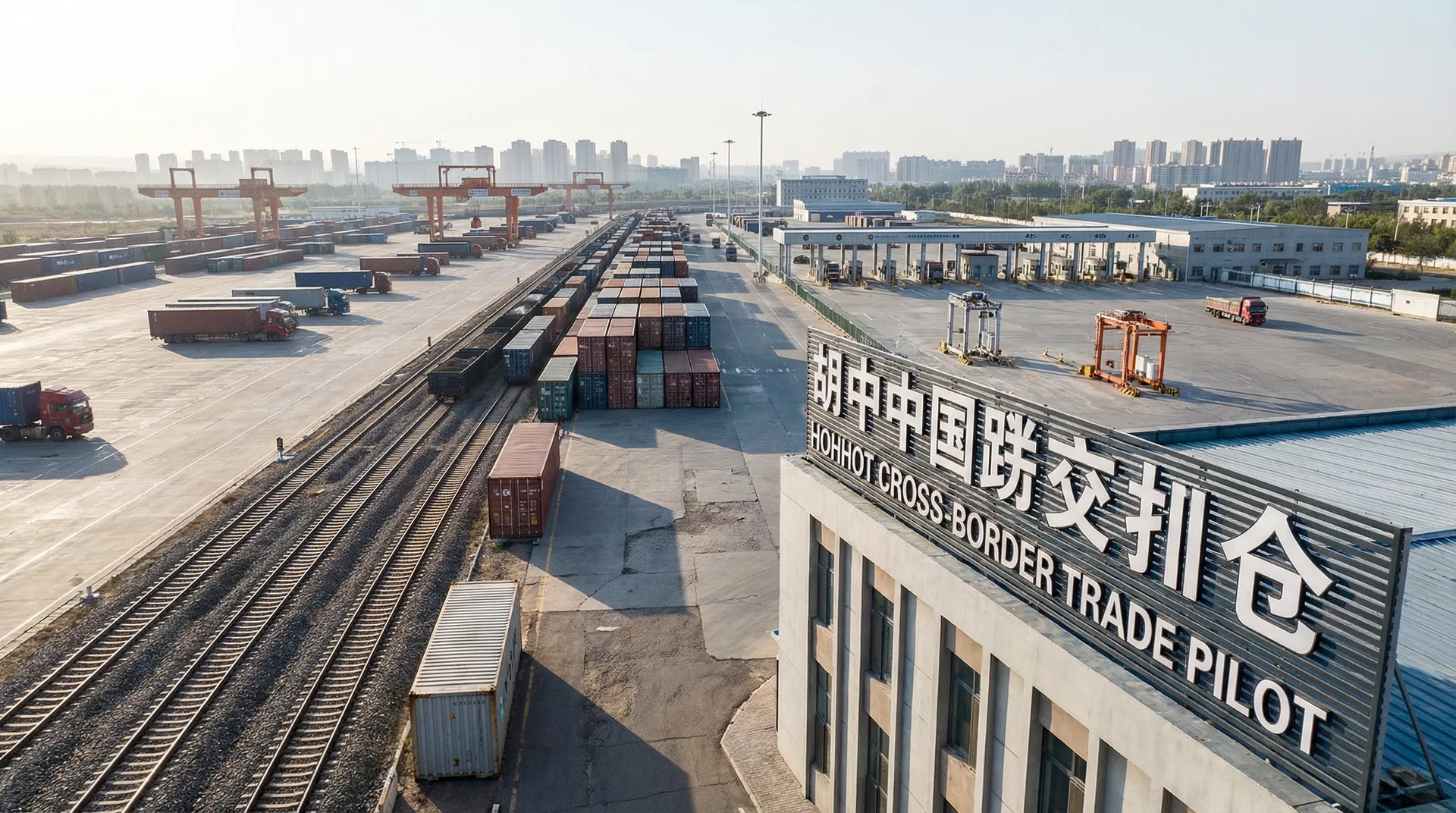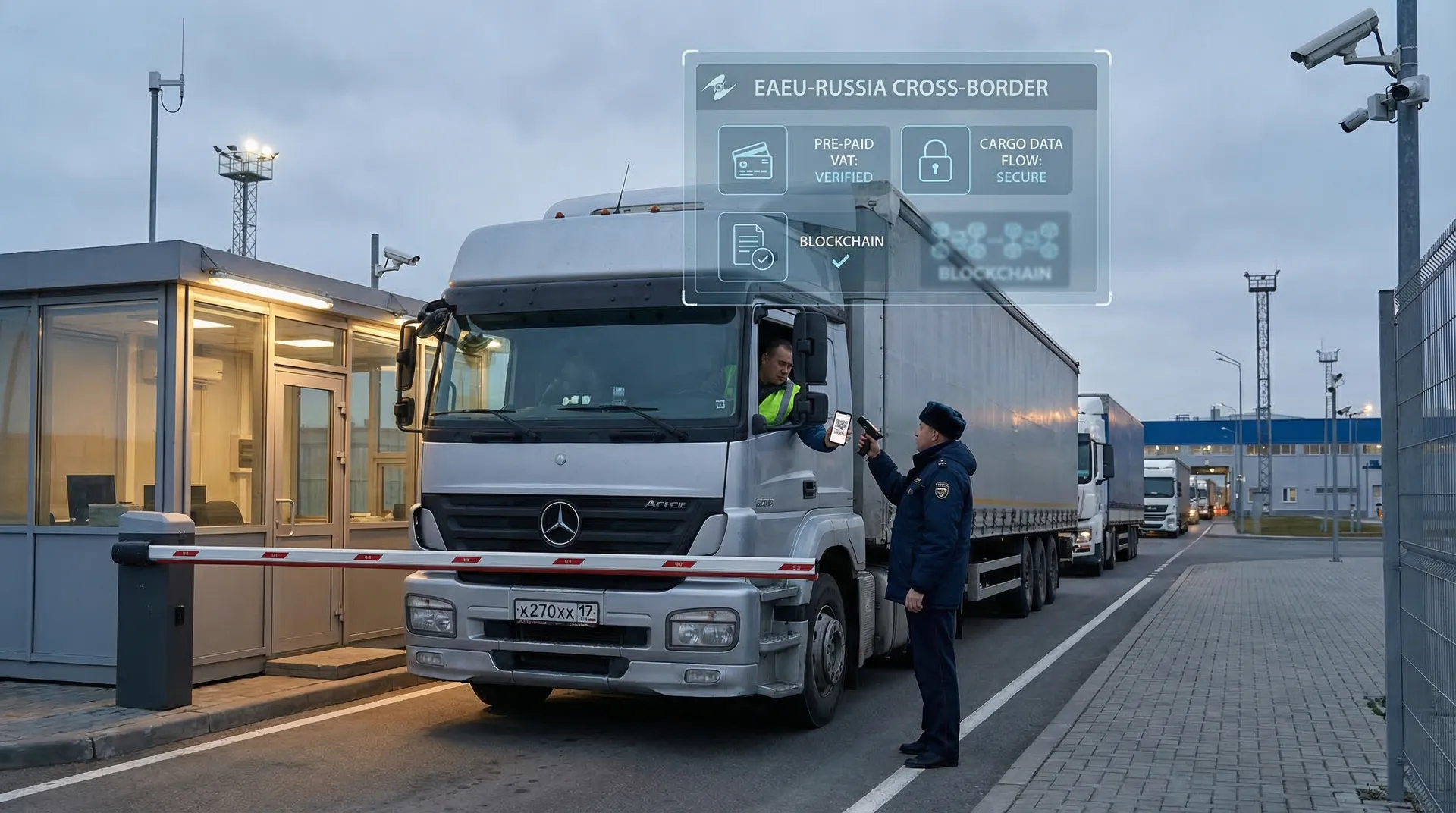
The accumulation of trucks on the Kazakh border continues to cause concern among participants in foreign economic activity. Despite the optimistic statements on the web about the imminent restoration of traffic, there is no official confirmation of this yet. It is highly likely that the situation will remain unchanged until specific agreements are reached between the parties involved.
An additional factor influencing the current crisis has been the entry into force of a new Chinese decree, which complicates the activities of cargo delivery companies. The increasing complexity of procedures has already had a significant impact on logistics, especially for those who use gray schemes. In contrast, firms operating through official ("white") channels continue to move without significant delays, using alternative routes.
At the same time, a bill is being discussed aimed at increasing VAT and reducing limits on the tax system and the patent system. These measures may affect a wide range of entrepreneurs, pushing them to switch to other tax systems.
In conditions of instability, there is a growing interest in legal import methods. However, it is important to understand that the "white scheme" is not just a beautifully designed cargo. This official delivery includes payment from a legal entity's checking account, the availability of contracts, invoices, customs declarations and the necessary certificates. Without the active participation of the importer, the delivery cannot be considered legitimate.
Dividing approaches in logistics by the volume of purchases helps businesses to rationalize the process.:
- up to 500 thousand rubles. — working through a broker is the most economical;
- 500 thousand–1.5 million rubles. — It is better to enlarge batches, reducing the frequency of deliveries;
- over 1.5 million rubles. — an independent scheme with an internal foreign economic activity specialist or a specialized contractor is possible.
The current difficulty is not a reason to panic, but a moment for reassessing logistical strategies. A timely transition to transparent schemes can be a long-term advantage for businesses, not just a salvation from delays.