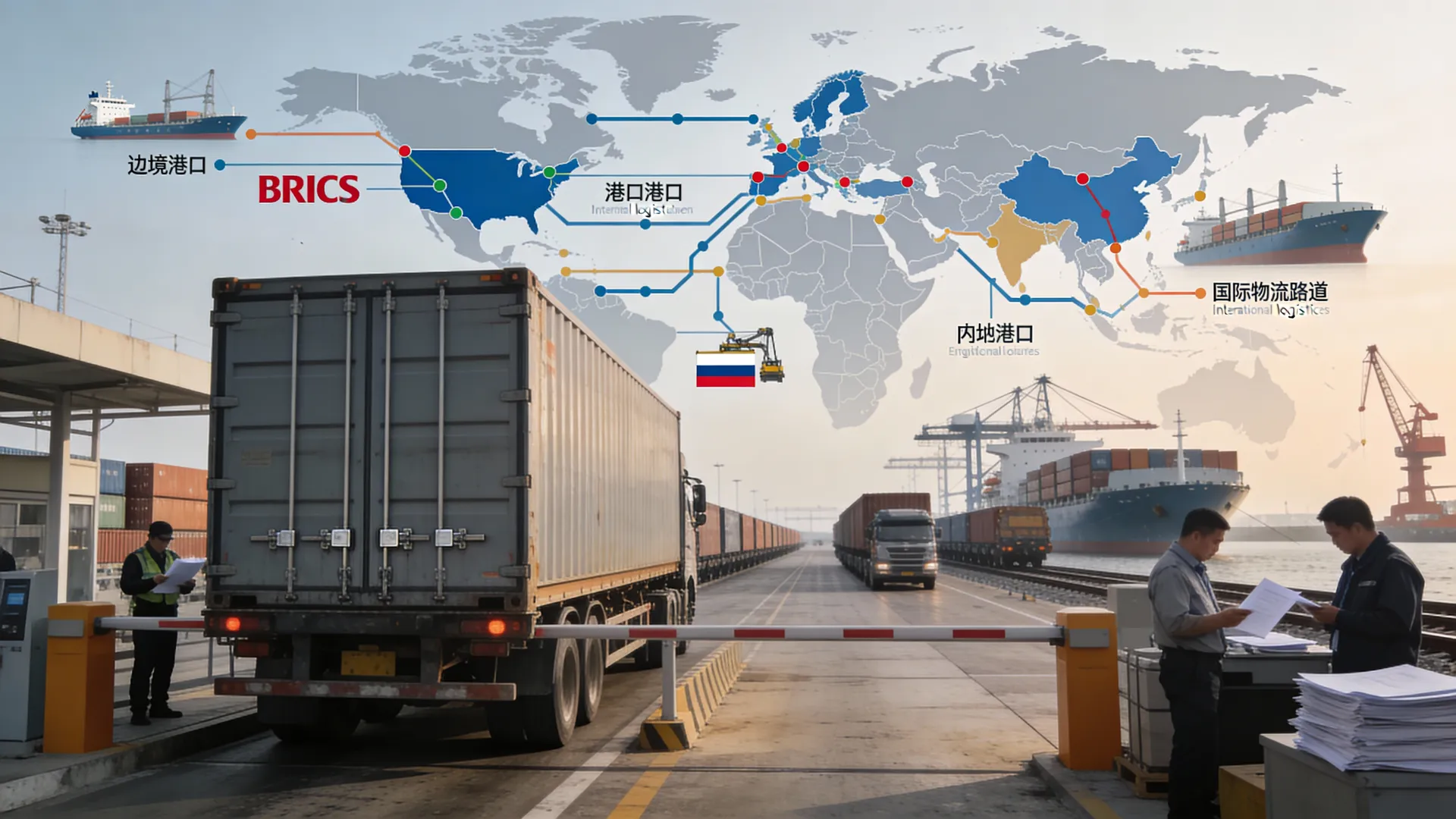
Central Asia accelerates the turn to the "southern arc" of land logistics: Uzbekistan and Turkey announced the launch of regular container trains along the new international corridor Uzbekistan – Turkmenistan – Iran – Turkey. In public communication, the route is positioned as a way to bring delivery times to Europe closer compared to the sea shoulder via Suez and make costs more predictable with stable customs regimes.
The key thing in this story is not "another route on the map", but an attempt to bring transportation to the level of a service product: regularity, uniform registration rules, digital documents and understandable consolidation nodes. During the relevant negotiations in Istanbul, the parties separately discussed the creation of a mutually integrated transport and logistics system, and also agreed to work at the expert level. Among the practical measures mentioned were the mutual recognition of digital documents and the maximum simplification of border crossing through notification.
Why is the corridor through Iran and Turkey important right now:
- Transit diversification has become a strategy for the region: cargo owners want to have alternatives in terms of geography and "quality of service" (fewer overloads, fewer manual operations, less downtime at junctions).
- Iran is strengthening the role of the Asia–Europe transit bridge: if the countries along the route synchronize infrastructure and regulations, the corridor gets a chance to become a stable product for container shipments, rather than a one-time project "for a specific batch."
The context pushes for acceleration. According to the Eurasian Development Bank, transit traffic through Central Asian countries increased by 70% in 2020-2024, with about 60% of transit cargo transported by rail.
This dynamic means a simple thing: the competition is no longer for the "right to be called a corridor," but for throughput, schedule, tariff, and risk management.
The key quote setting the scale of the infrastructure challenge came from Evgeny Vinokurov, EDB's Chief Economist:
"Over the past 5 years, we have witnessed a twofold increase in the foreign trade of Central Asian countries with China. At the same time, transit flows increased by 70%. But this is just the beginning of the path. Central Asia, which is further removed from world markets than other landlocked regions, requires high-quality infrastructure. According to our estimates, this is almost $53 billion by 2035," explained Evgeny Vinokurov, Deputy Chairman of the Board and Chief Economist of the EDB.
What does this mean for Russian cargo transportation and the 1520 market:
- Pressure on tariffs and SLA. When a cargo owner has a real alternative to "going south", he begins to compare terms and cost more strictly on traditional routes.
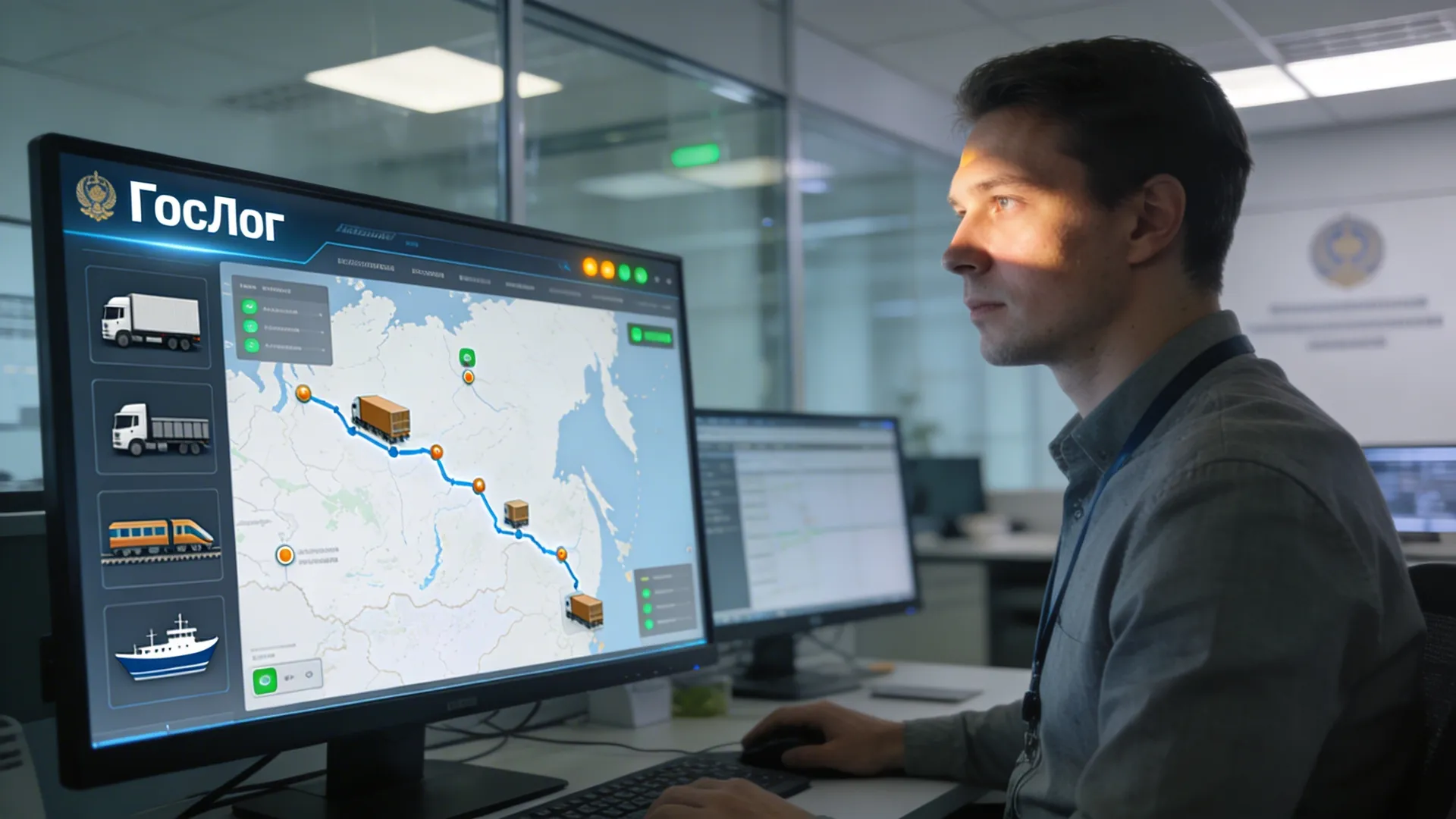
- The struggle for transit is moving into the realm of technology: digital documents, advance notification, transparent tracking and uniform rules at the junctions are becoming the same competitive advantage as the bid.
- The 2-3—year window is critical: if the infrastructure and procedures are completed now, the corridor will be fixed; if not, it will remain "uneven" and will go into the niche of individual cargoes.