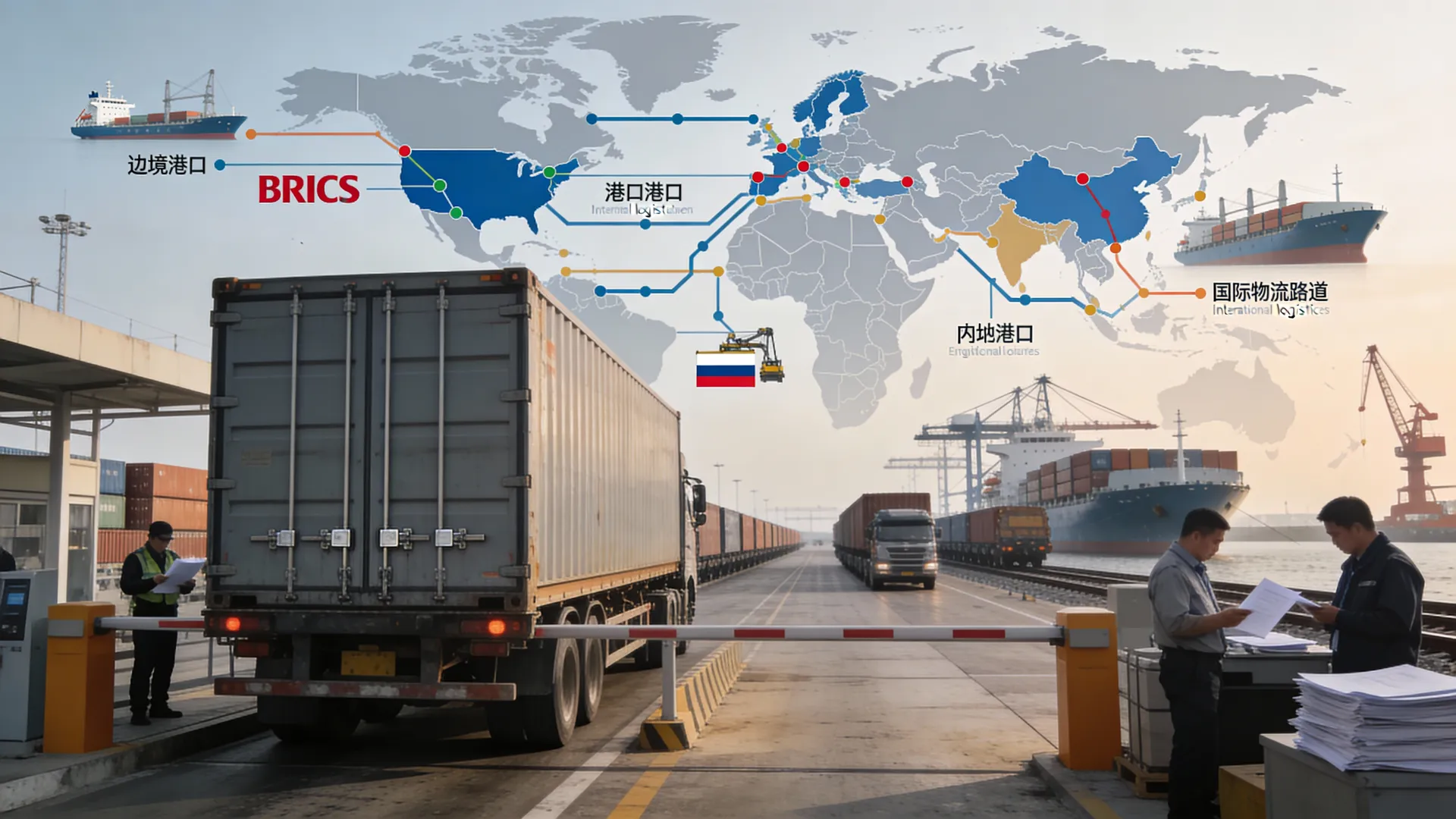
China began to crack down more harshly on the scheme by which new cars were exported as used: a large batch of cars for Russian buyers was detained at the border in Suifenhe. It is based on the "180 days" rule and increased control over the export of "zero used goods". For the market, this means increased risks of gray imports, longer deadlines, and a gradual shift to more transparent supply chains.
From January 1, 2026, the logic of a "cooling—off period" of 180 days is introduced: if a car is exported as used too early after initial registration, it requires additional confirmation/control from the manufacturer (in fact, so that the "new" car cannot be easily passed off as "used").
The thesis of recent years is the development of South-South trade and logistics. But the sustainability of such flows is based on rules.: The greater the trade turnover, the more states will put gray schemes in order to protect their industry, statistics and tax base. The border story is a marker of the maturation of regulation: not only buyers and banks, but also governments are beginning to demand transparency in the supply chain.
What should a foreign economic activity business do right now
- Check the date of initial registration and understand whether the car falls into the "180-day zone".
- To fix in the contract the conditions in case of delays according to export rules: deadline, refund, storage.
- Put it on legal export channels, where the route and documents meet the requirements of the country of origin, otherwise the risk of downtime becomes systemic, not one-time.