Mastercard has moved the conversation about on-chain payments from the experimental zone to the industrial assembly mode and announced the launch of the Crypto Partner Program, a global partner program that unites over 85 participants from the crypto market, the payment industry and banks. The initiative focuses on practical scenarios where the speed and programmability of digital assets have a tangible effect: cross—border transfers, B2B payments, payments and settlements between companies.
The key signal for the market is that the program is intended as a working platform for standard alignment and joint development. The official description highlights the goal of creating a space for “meaningful dialogue” and collaboration as the industry matures.
It is separately noted that the next stage of on-chain payments will be built through the cooperation of ecosystem participants.
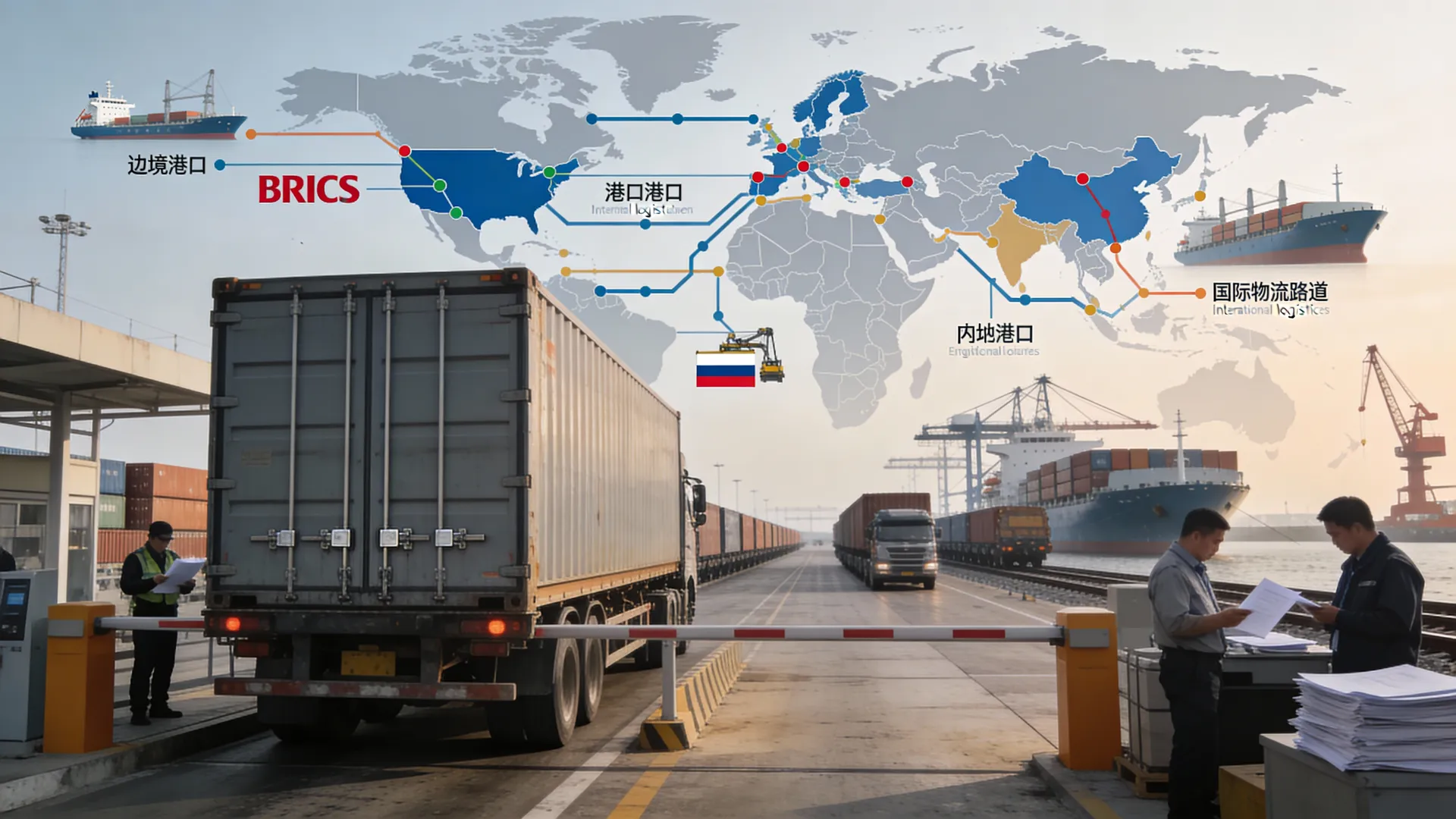
For foreign economic activity and logistics, this is a direct hint at accelerating money in supply chains. Where payments today go through several correspondent banks, on-chain settlements can reduce operational pauses, simplify reconciliation, and increase transparency of payment status. This is especially sensitive for settlements with manufacturers in Asia, suppliers of raw materials and international carriers, where payment delays turn into container downtime, fines for storage and disruption of the shipping schedule.
A separate value is programmability. For B2B chains, this means the ability to “package” conditions into a payment: partial payment in stages, automatic unblocking of the amount after confirmation of documents, flexible refund logic in case of discrepancies. In the context of the BRICS agenda and multilateral trade, this approach reduces dependence on manual processing and increases the stability of cross-border settlements with differences in regulatory and banking infrastructure.
It is also important that Mastercard emphasizes the compatibility of innovations with the usual payment “rails” and global commerce — the emphasis is on integration, not on a parallel system. This means that major players will move through compliance, standards, responsibility, and scaling, rather than through chaotic pilots. Over the 12-24 months horizon, the market will see more products at the intersection of cards, acquiring, on-chain settlement and corporate payments, where the crypto infrastructure works “behind the scenes” and the user gets a familiar payment experience.