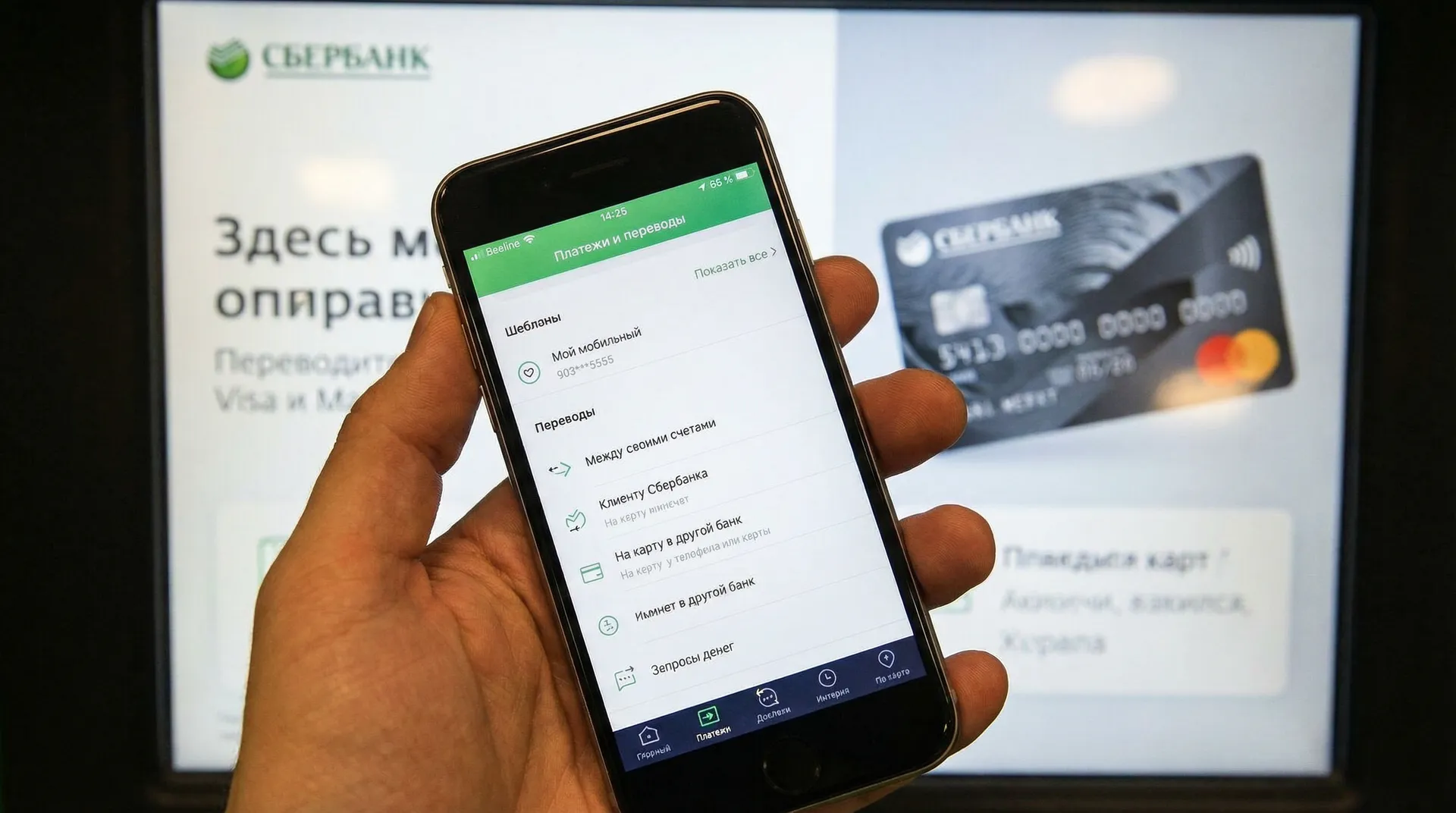
In Russia, cases of bank accounts and cards being blocked after transfers between customers' own accounts have become more frequent. According to users, restrictions are imposed both for the transfer of large amounts, including wages, and for minor transactions that do not exceed the scope of daily operations.
Financial organizations explain such actions by strengthening anti-fraud control. Banks are required to respond promptly to any transactions that algorithms consider atypical, even if money is transferred between accounts of the same customer. As a result, temporary blockages are becoming widespread.
Experts note that the key reason for what is happening is the tightening of requirements on the part of the regulator. Credit institutions are financially and administratively responsible for skipping suspicious transactions, which forces them to act as cautiously as possible.
The professional community emphasizes that banks prefer to temporarily freeze the account of a bona fide customer rather than face sanctions from the Central Bank of Russia. Fines and regulations for insufficient control of transactions can be significant, so credit institutions actually operate in a constant reinsurance mode.
In practice, this leads to the blocking of transfers between different banks, transfers from savings accounts to current accounts, as well as transactions that the client performs irregularly. Even a small amount can become a trigger if the transaction breaks out of the user's usual financial profile.
Experts point out that such measures are formally aimed at protecting citizens from fraud. However, the mass blocking indicates an imbalance between automated control systems and the real needs of customers. The unblocking procedure often requires a personal request, the provision of documents and an explanation of the source of funds, which causes user dissatisfaction and reduces trust in banking services.
Experts recommend notifying the bank in advance of planned transfers of large amounts, using a single bank for regular transactions, and closely monitoring the requirements of financial institutions. Otherwise, even translating "to myself" can be regarded as potentially risky.