At the summit in Russia, the symbolic R5 banknote was shown (according to the first letters of the core currencies: ruble, real, rupee, renminbi, rand). Now the discussions are shifting from symbols to a more “technical” design — the BRICS+ currency settlement instrument called UNIT.
According to the description, the UNIT was developed by the International Reserve and Investment Asset System and should be based on a fixed basket: 40% gold (by weight) and 60% in BRICS+ currencies, and the issue/circulation itself is supposed to be through a digital platform using “transparent blockchain technology".
It is critical that UNIT is positioned not as a “wallet currency”, but as a tool for settlements and reducing dependence on the dollar, euro and yen: the idea is to reduce conversion costs and increase the stability of mutual trade within the expanded BRICS+.
Why has the topic become loud again
The background for such ideas is both financial and political. The article notes that the dollar index decreased by about 8% in 2025.
At the same time, the role of gold in reserves is growing: the largest central banks continue to consider it as “insurance” against sanctions and geopolitical risks.
Main quote (as a semantic emphasis)
One of the arguments of the proponents of alternative contours is the scale of BRICS+ and demographics, which make the project attractive to the countries of the Global South. The text provides an assessment by a former White House economist:
It would be like a new alliance of the growing discontented, who, in terms of GDP, now collectively surpass not only the ruling hegemon, the United States, but the entire G7 weight class combined.
Expert review: what can this mean for foreign economic activity and logistics
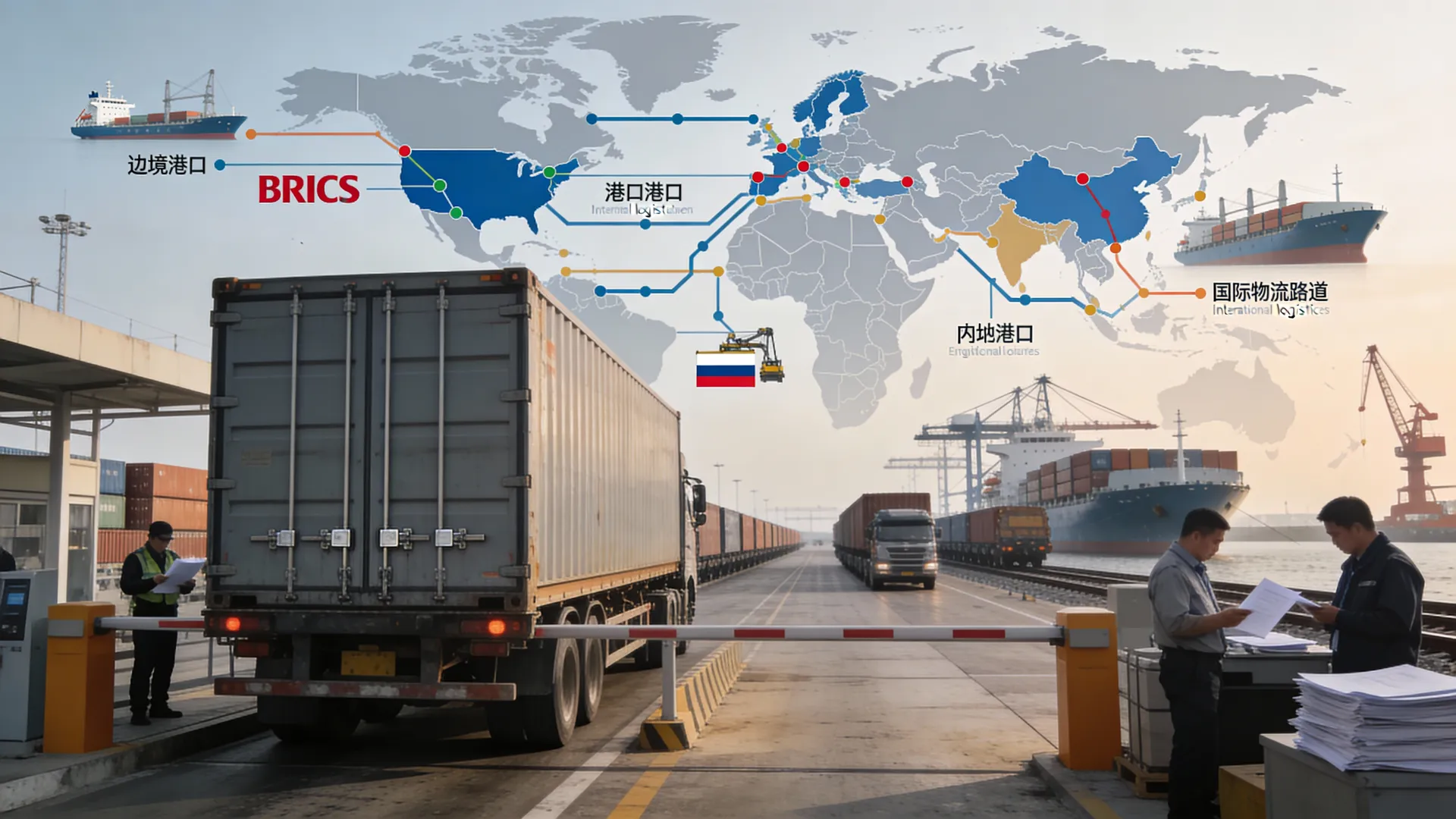
For participants in foreign trade, the key word is not “currency”, but practical infrastructure.:
- Calculations and FX risks. If UNIT really becomes an “inter-circuit” settlement instrument, some transactions may leave the USD/EUR chain. But then the business will need clear rules for UNIT quotes, clearing, guarantees and access to national currencies.
- Trade finance and compliance. A payment instrument without recognized jurisdiction, KYC/AML standards, and arbitration is a stop-gap for banks and insurers. That is why the article emphasizes the need for a “credible governance framework".
- Logistics and contract base. Transportation is based on documents: invoices, bills of lading, insurance, claims work. If calculations change the outline, contracts will have to be adapted (price/payment currency, force majeure, bank days, conversion mechanism).
It is also mentioned that work is underway on the payment infrastructure (BRICS Pay), and the New Development Bank could theoretically become a potential issuer of the UNIT. It's logical.: The NBR is the only BRICS institution with a “banking” DNA. But it's a long road to industrial use: liquidity, market confidence, and political coherence are more important than a beautiful basket.