China fixes the "strong yuan" below 7 per dollar: betting on a weak USD and a signal to the market before 2026

Against the background of a weakening dollar and attempts by markets to guess the trajectory of US rates, China is showing greater tolerance for the strengthening of the national currency. The PBOC set a daily fix at 6.9843 per dollar (the strongest since May 2023), although at the same time it continued to "insure" exporters: the fix remained noticeably weaker than market estimates, which signals controlled rather than "free" strengthening.
A double logic is important here. On the one hand, a stronger yuan helps with import inflation and reduces the cost of purchasing raw materials and components. On the other hand, excessive strengthening affects the margins of exporters, especially in sensitive categories (electronics, household goods, textiles). Therefore, the regulator, in fact, shows the market: "below 7 is possible, but without acceleration and without panic."
Why is a "strong yuan" linked to a "weak dollar"
The thesis about betting on a weak USD usually rests on expectations: if the dollar loses support due to soft expectations on rates/deficits/political risks, Asian currencies get room to strengthen. In a number of analyses, it is noted that the very fact of a fix below 7 is more a calibration than a promise of a long strengthening trend.
A separate layer is the geopolitical one. When confidence in dollar assets "twitches," Beijing has a window to show financial stability without direct confrontation: a strong yuan looks like a "currency of stability" for settlements and imports, but the managed exchange rate regime remains.
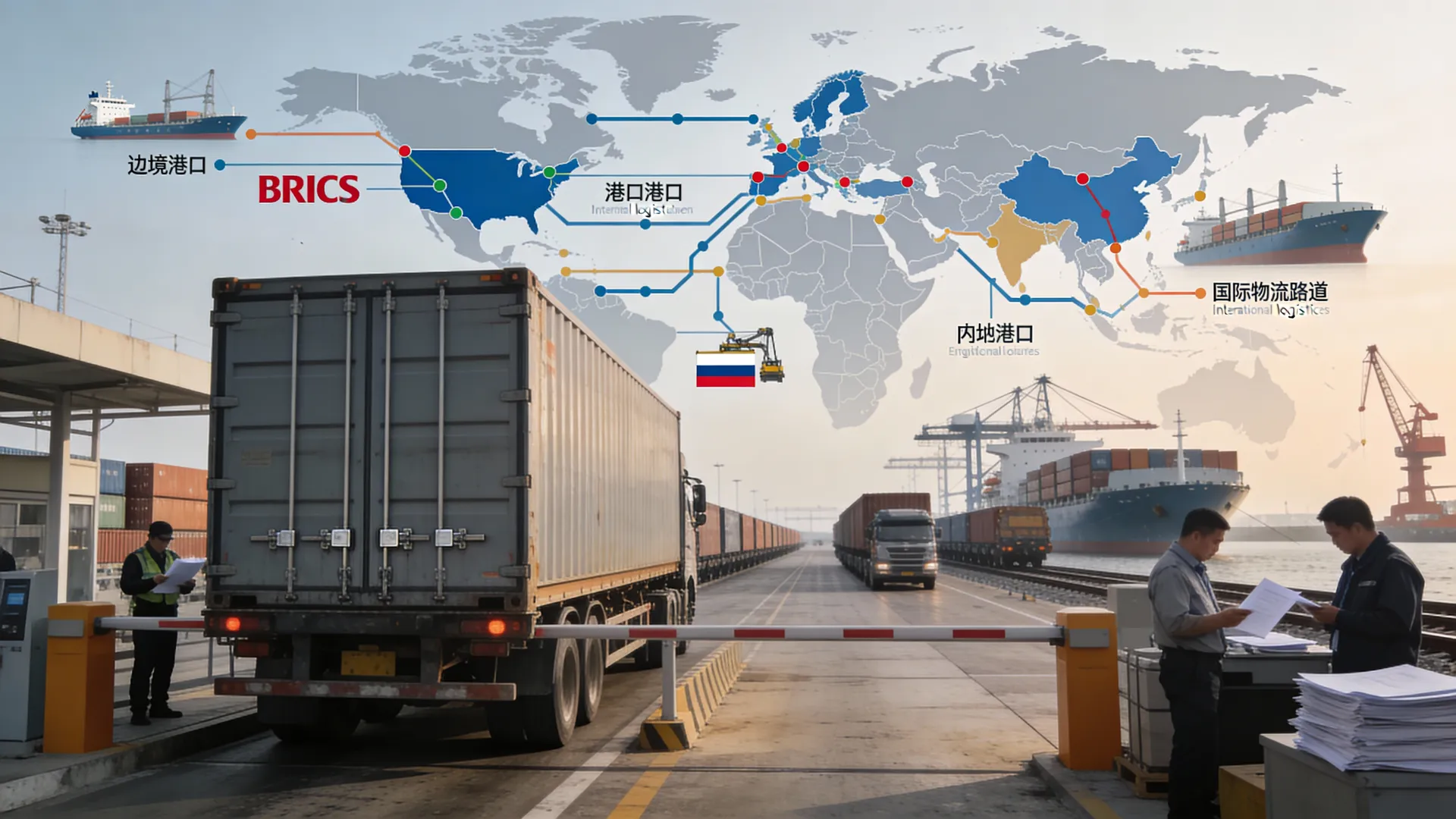
What does this mean for foreign economic activity, contracts and logistics
For foreign economic activity, the exchange rate is not only a number on the scoreboard, but a chain of effects.:
- Pricing in contracts. With CNY strengthening, it is more difficult for exporters to keep the price in USD without losing margin. The role of currency reservations, price revisions, and index pegging is increasing (especially on long-term shipments).
- The demand for hedging. Importers from China get a chance to fix more favorable terms, but the risk of a reversal of the exchange rate remains, which means that options/forwards and the distribution of payments by batch become more relevant.
- The warehouse and the last mile. If the strengthening of the yuan leads to higher export prices, marketplaces and distributors begin to put more pressure on logistics: optimize packaging, freight, consolidation, reduce "empty volume" and refund losses. This is especially noticeable in e-commerce, where the cost of shipping and processing easily eats up margins.
Conclusion
China is giving the market a neat signal: the yuan may be stronger while the dollar is weaker, but "strong" does not mean "free." For businesses, this is a period when those who recalculate the economy in advance in several scenarios benefit (6,95 / 7,05 / 7,15 ), prescribes currency conditions in contracts and keeps logistics flexible enough to survive the exchange rate shake-up without disrupting supplies.