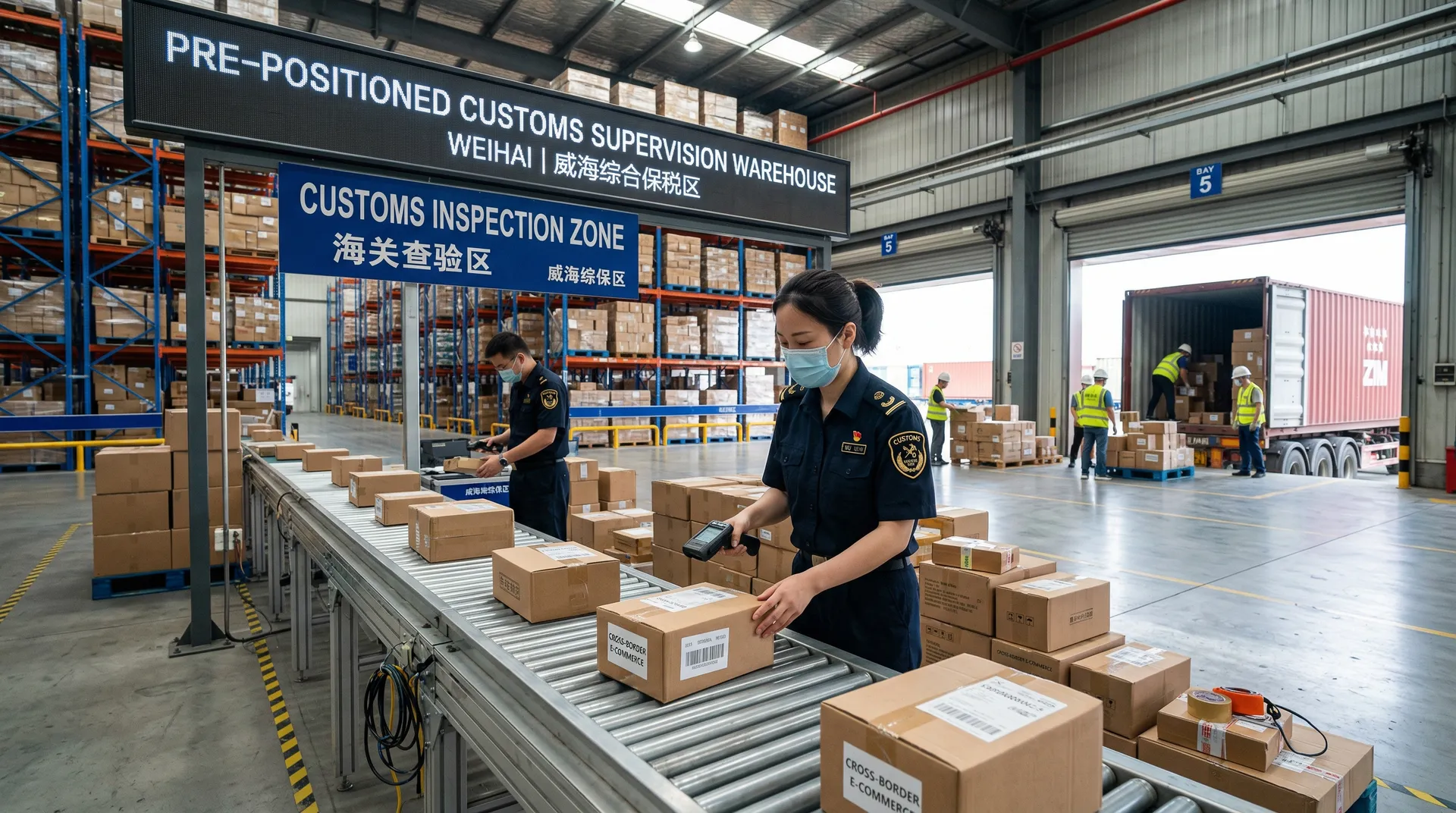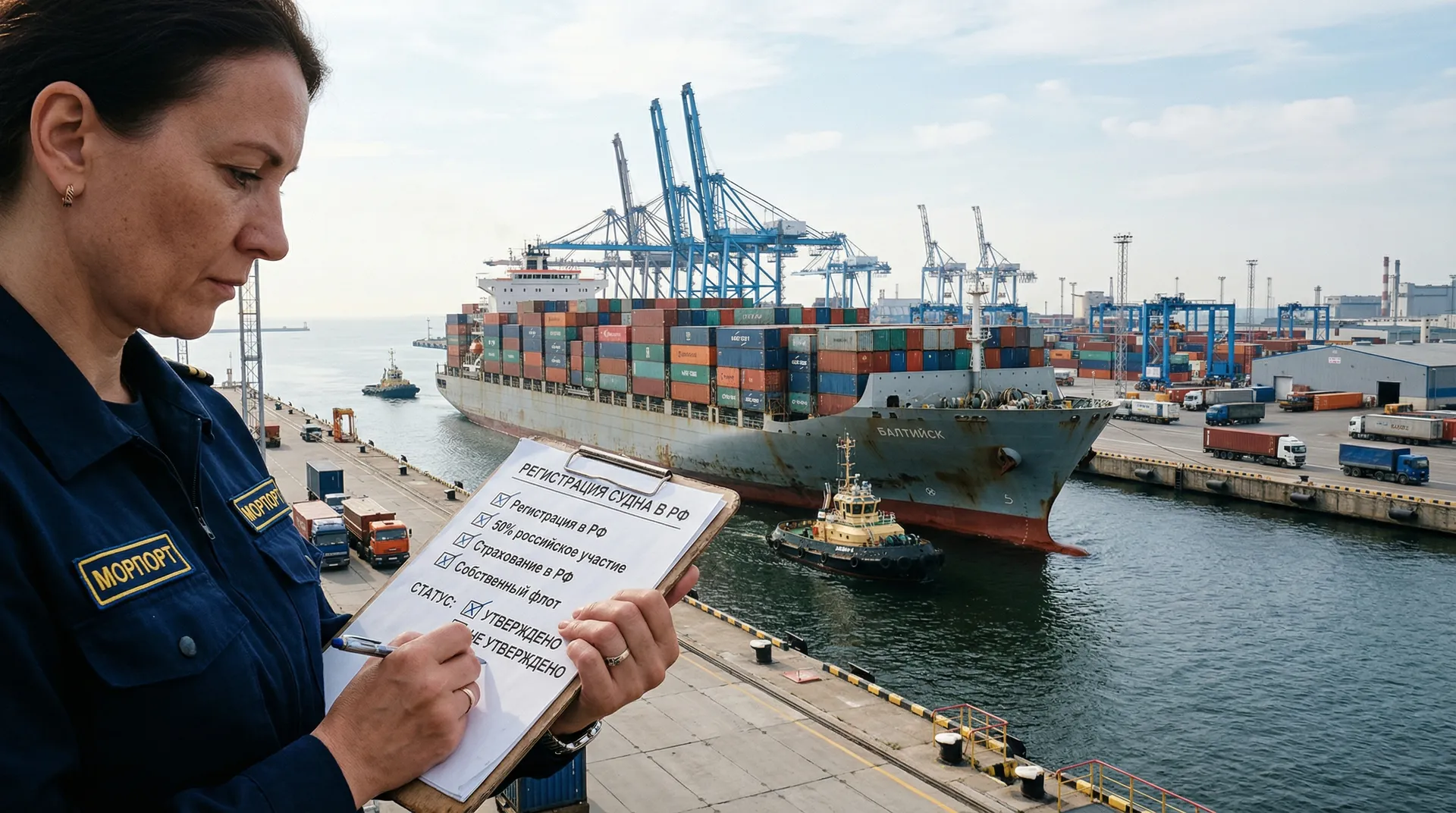
Russian companies that purchase goods in China are switching to the contract recalculation mode and preparing for price increases in the domestic market. The pressure came from two sides at once: the ruble weakened, and logistics costs increased. As a result, the usual "fix the price for a few months" scheme has stopped protecting the economy of import supplies.
Andrey Kogan, Chairman of the Committee for Work with China of the Association of Exporters and Importers, founder of the All from China company, said that due to the growth of the yuan exchange rate, the exchange rate stipulated in the contracts turned out to be irrelevant, and contract prices had to be raised by at least 5%. He noted that the company is saved by a pre-prescribed review mechanism.:
"The saving grace is that in long-term contracts, of course, we included a mechanism for reviewing prices when the exchange rate deviated by more than 3-5%."
An additional problem is logistics. According to Kogan, the fall in the ruble coincided with an increase in the cost of shipping from China to Russia.: Transportation on individual routes has increased in price by 7-8%. This means that the price increase is not in points, but in "layers": first the exchange rate, then the transport shoulder, then the reassembly of the price on the shelf.
The effect on automotive imports is particularly pronounced due to the currency of the contracts. Evgeny Zabilin, the founder of E.N. Cars, said that their contracts are pegged to the dollar, since China has been selling cars for export in American currency since 2026. In such a scheme, the company is forced to recalculate contracts at the new exchange rate, while part of the losses falls on the importer: it is difficult to demand an additional payment for exchange rate risk after the customer has already paid for the order.
The market background is confirmed by stock exchange levels: on the eve of the yuan on the Moscow Stock Exchange, for the first time since February 17, 2025, it exceeded 12.5 rubles per yuan. This is a psychological point that quickly gets into buyers' calculations and price lists for contracts.
Market participants attribute the reasons for the weakening of the ruble, among other things, to the decision of the Ministry of Finance to suspend operations for the purchase and sale of currency and gold under the budget rule in March 2026. Such a step reduces the "regular flow" of government operations in the market and changes the balance of supply and demand of the currency.
For foreign economic activity teams, the practical conclusion looks like this: 2026 enhances the role of currency reservations and logistical coefficients in the contract. Where the margin is small, even +5% on the exchange rate and +7-8% on delivery quickly turn the delivery into unprofitable. In the coming weeks, importers will review three things: the terms of the price recalculation, the payment scheme (yuan/dollar/ combinations), and the choice of route, taking into account the actual surcharges for transportation.