The Bank of Russia continued its easing cycle: on February 13, the key rate was reduced by 0.5 percentage points to 15.5% per annum. But the main signal for the market was already sounded at a press conference: the regulator admits that future steps may be larger than the usual 50 bp, or with pauses - everything depends on statistics on inflation and expectations.
The key quote setting the tone for 2026 is cautious, but with a clear "window of opportunity" for a faster decline.:
"As for possible steps, it depends on the situation. Big steps are possible, but pauses are also possible within the framework of the baseline scenario, so everything will depend on the data that comes in," she said at a press conference, answering the question whether it is possible to reduce the key rate by more than 50 basis points this year.
For business, foreign economic activity is a signal through three channels at once.
1) The currency price of imports and working capital. A softer rate trajectory usually reduces the cost of ruble funding and facilitates replenishment of turnover, which is critical for importers with a long logistics cycle (order → prepayment → sea/railway → customs → warehouse). If the rate does decrease faster, the companies that have pre—set limits, hedging and a payment calendar for "expensive money" will benefit - they will quickly convert the improvement in conditions into an increase in turnover.
2) Warehouse logistics and inventories. At a high rate, a business cuts inventory and makes more frequent but smaller deliveries. With a decrease, on the contrary, there is space for the formation of insurance stocks in warehouses and more profitable planning of import shipments. This is especially noticeable in marketplace logistics: the cost of money directly affects the decision to "keep the product closer to demand" or "keep it on order."
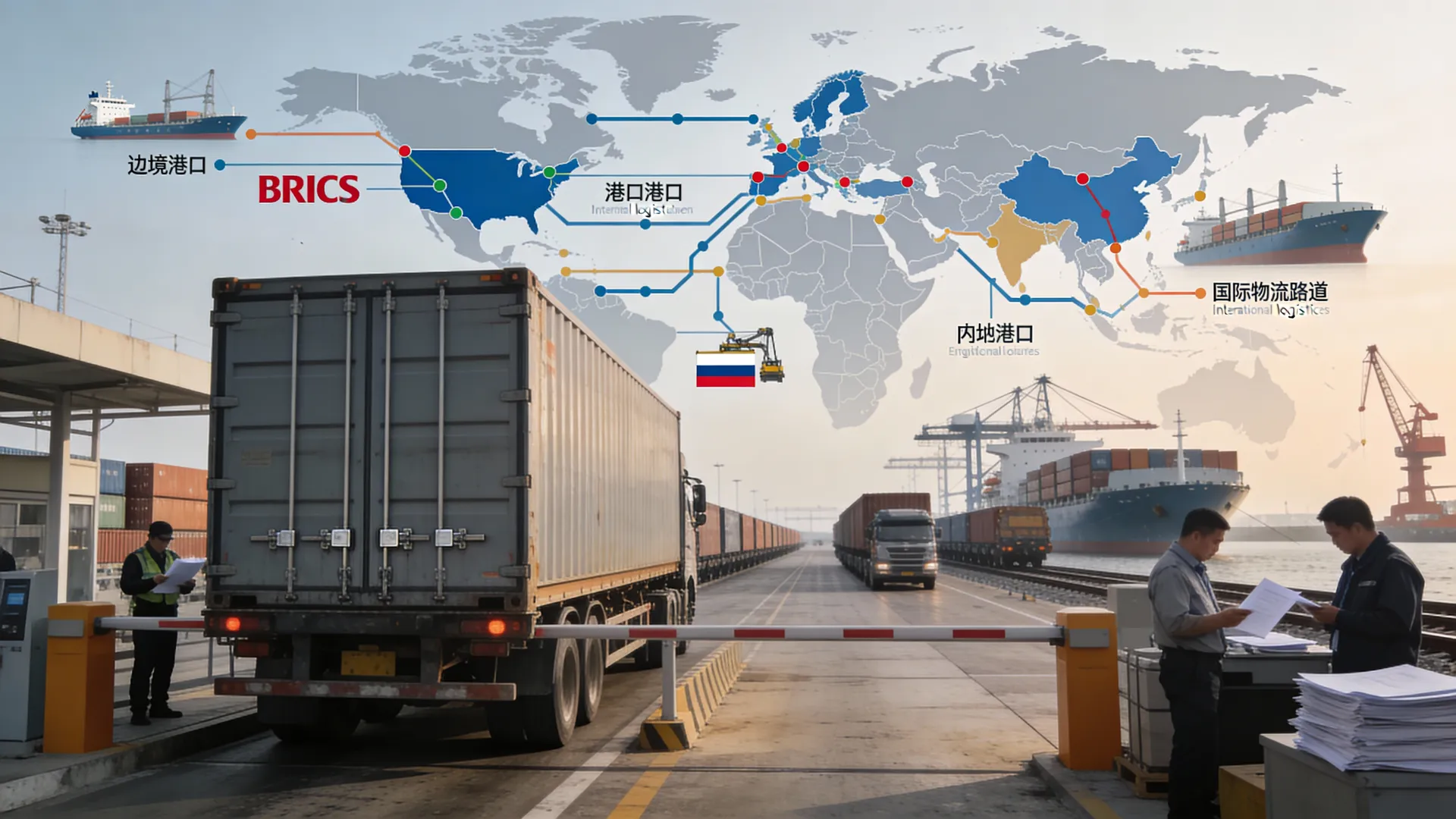
3) Payment discipline and payment deadlines for external contracts. Even a slight reduction in the cost of ruble resources is changing the structure of negotiations with suppliers: the share of prepaid/partial prepaid schemes is growing, and the willingness to fix the price for a longer period is increasing. For the BRICS direction, this may increase interest in settlements in national currencies and longer contracts: when the intrinsic value of money is lower, it is easier to withstand the "leverage" of settlements without nervousness.
At the same time, the Central Bank reserves the right to act in "small steps" if the data require caution. This was emphasized by Deputy Chairman Alexey Zabotkin.:
Central Bank Deputy Chairman Alexei Zabotkin added that a 0.25 percentage point reduction in the key rate should also not be ruled out if there are "grounds for it."
The conclusion for participants in foreign economic activity and logistics is simple: on the horizon of 2026, the rate ceases to be a "high-pressure constant", but turns into a data-dependent variable. Therefore, the winner is not the one who guesses the next figure, but the one who already adjusts the financial model to several scenarios: "faster down", "pause" and "slower down" — with different inventory strategies, payment schedules and carrier tariffs.