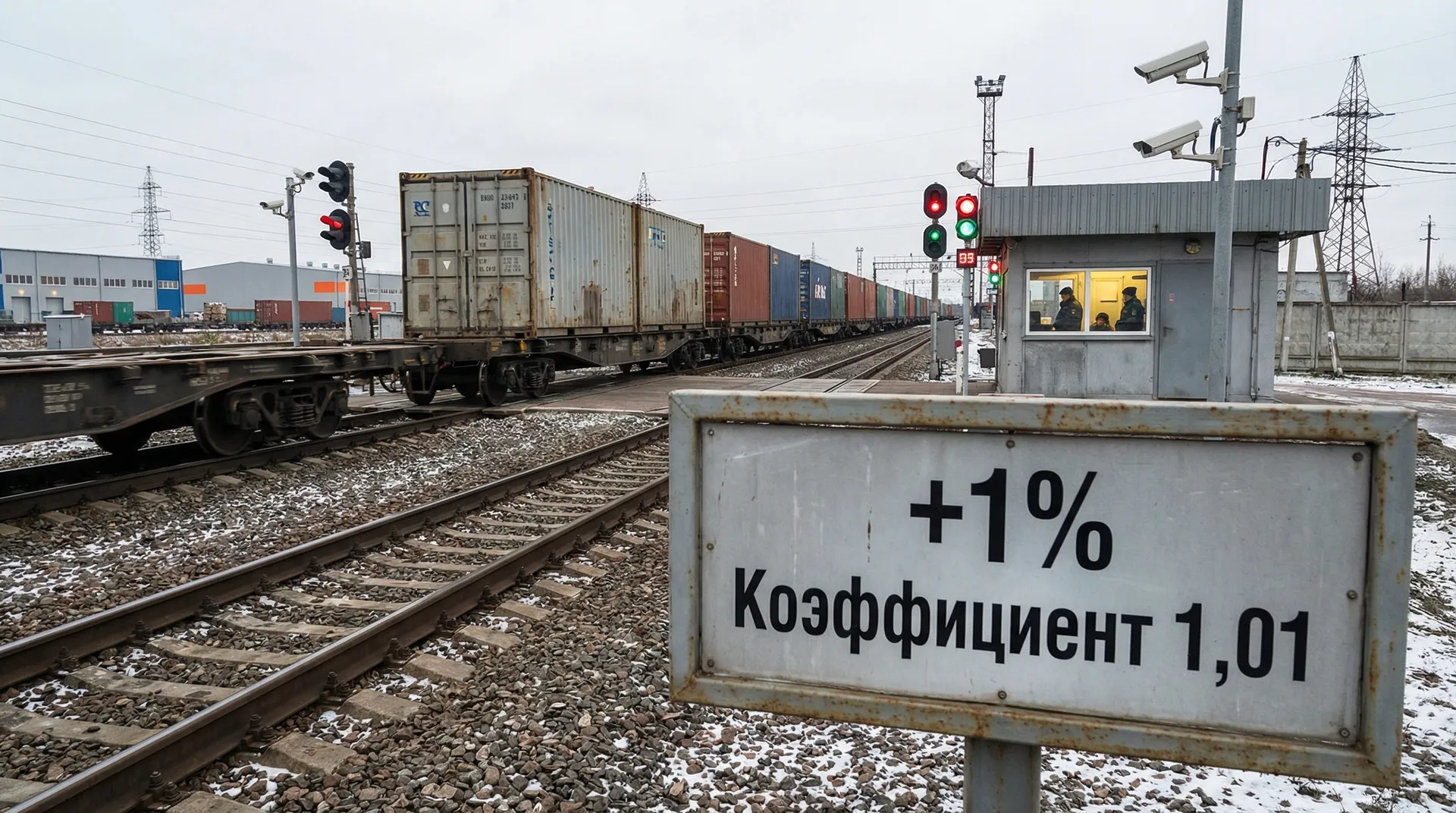
The government has sent bill No. 1155876-8 to the State Duma, which formalizes what the market has been doing "in practice" for a long time, but without clear support in the Tax Code: confirmation of the right to a 10% preferential VAT on goods for children through compliance documents. The essence of the change is simple and rigid: in order to apply 10%, the seller will have to provide information about the Russian certificate of conformity or the declaration of conformity issued under EAEU law along with the VAT declaration. A similar requirement is being introduced at the border — these information/documents will need to be submitted to customs when submitting a declaration for goods.
Why it's more important than it sounds. In the current version of the Tax Code, there is a list of "children's" nomenclature at 10%, but there is no direct indication of which documents to prove the classification of products into a preferential category. This "pause" has generated controversy for years: the same product could be interpreted in different ways, depending on the wording in the TR CU/TR EAEU, completeness, or even the description in the primary. The explanatory materials to the initiative explicitly state that uncertainty creates risks of tax conflicts.
"The implementation of the draft law will help to eliminate the ambiguous classification of products as goods for children when applying the VAT rate of 10%."
For importers and participants in foreign economic activity, this means shifting the center of gravity to compliance: the benefit becomes "tied" to a well-documented evidence base for compliance. Moreover, it is not only about the availability of a certificate/declaration, but about the consistency of the entire data chain — HS codes, description, age group, purpose, technical regulations, applicant, batch/series. Any misalignment between the compliance document and the invoice/invoice/description in the DT increases the risk of additional charges and disputes already at the tax reporting level.
A separate practical effect is on cross—border e-commerce and shipments through consolidation warehouses. Accelerated channels like "short product cards," but now brevity can be expensive: the weaker the description and classification, the more difficult it is to prove the right to 10%. Therefore, it is logical for a business to strengthen the input control of documents in advance, standardize master data, and "stitch" certificates/declarations with SKUs at the accounting system level.
In terms of timing, the bill proposes entry into force one month after its official publication, but not earlier than the next VAT tax period (quarter). This provides a short window for preparation: reassembling the assortment dossier, auditing existing compliance documents, and setting up information exchange between customs, accounting, and the tax unit.