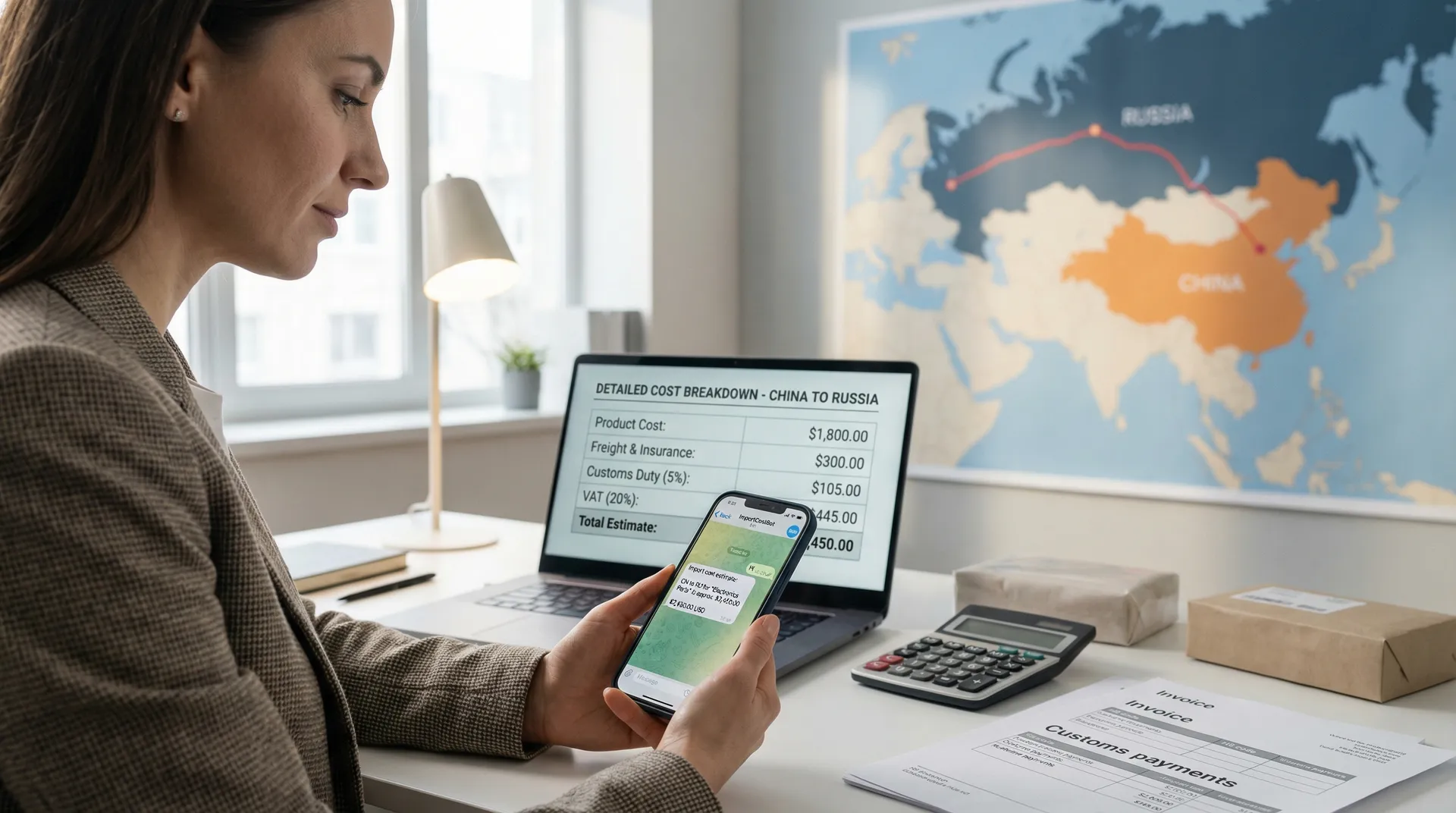
Banks have started to bring services for foreign economic activity in the format of fast digital tools. One of the cases is related to the calculation of "white imports" from China: the entrepreneur is offered to receive a preliminary estimate of the cost of legal delivery, taking into account customs duties, before the start of the transaction. The mechanics are tied to the familiar interface: a link to the product from the marketplace is sent to the Telegram bot, after which the user receives an estimated cost structure.
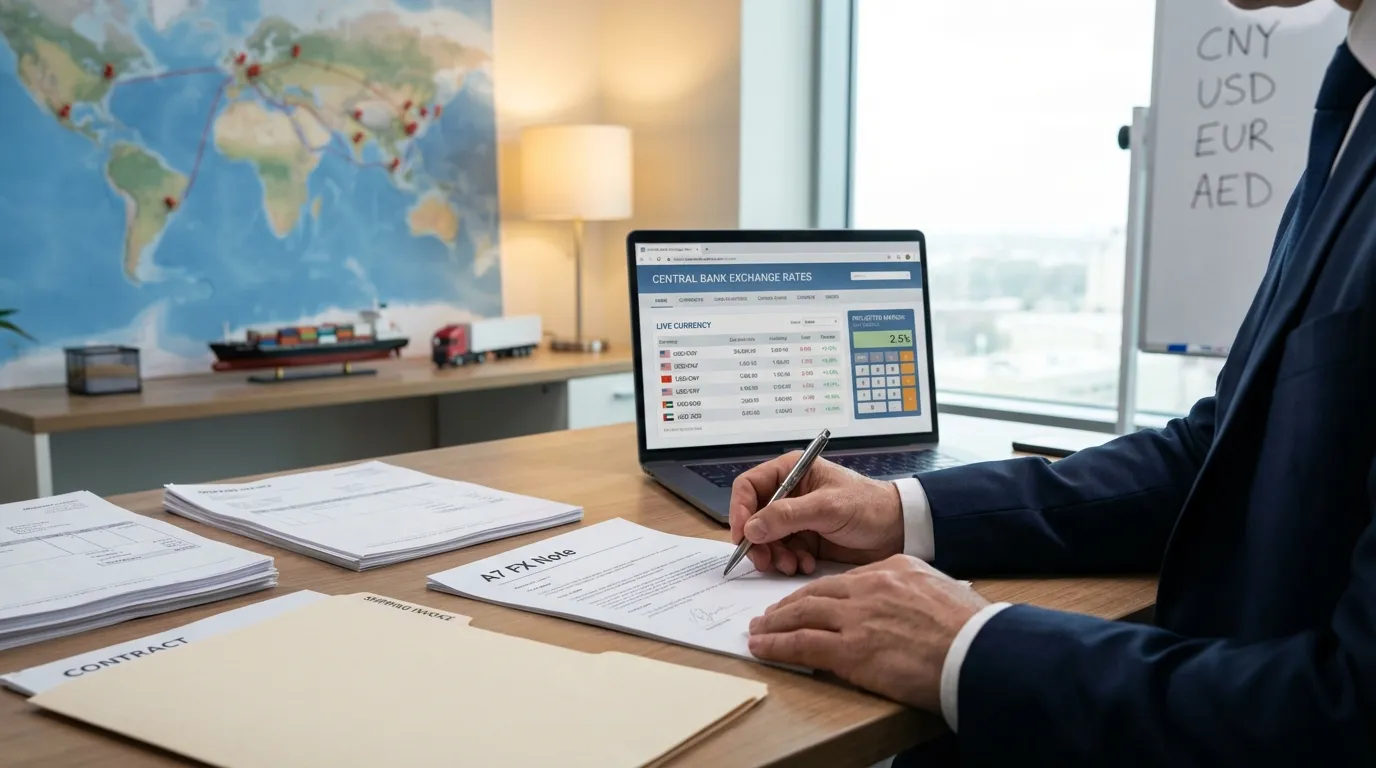
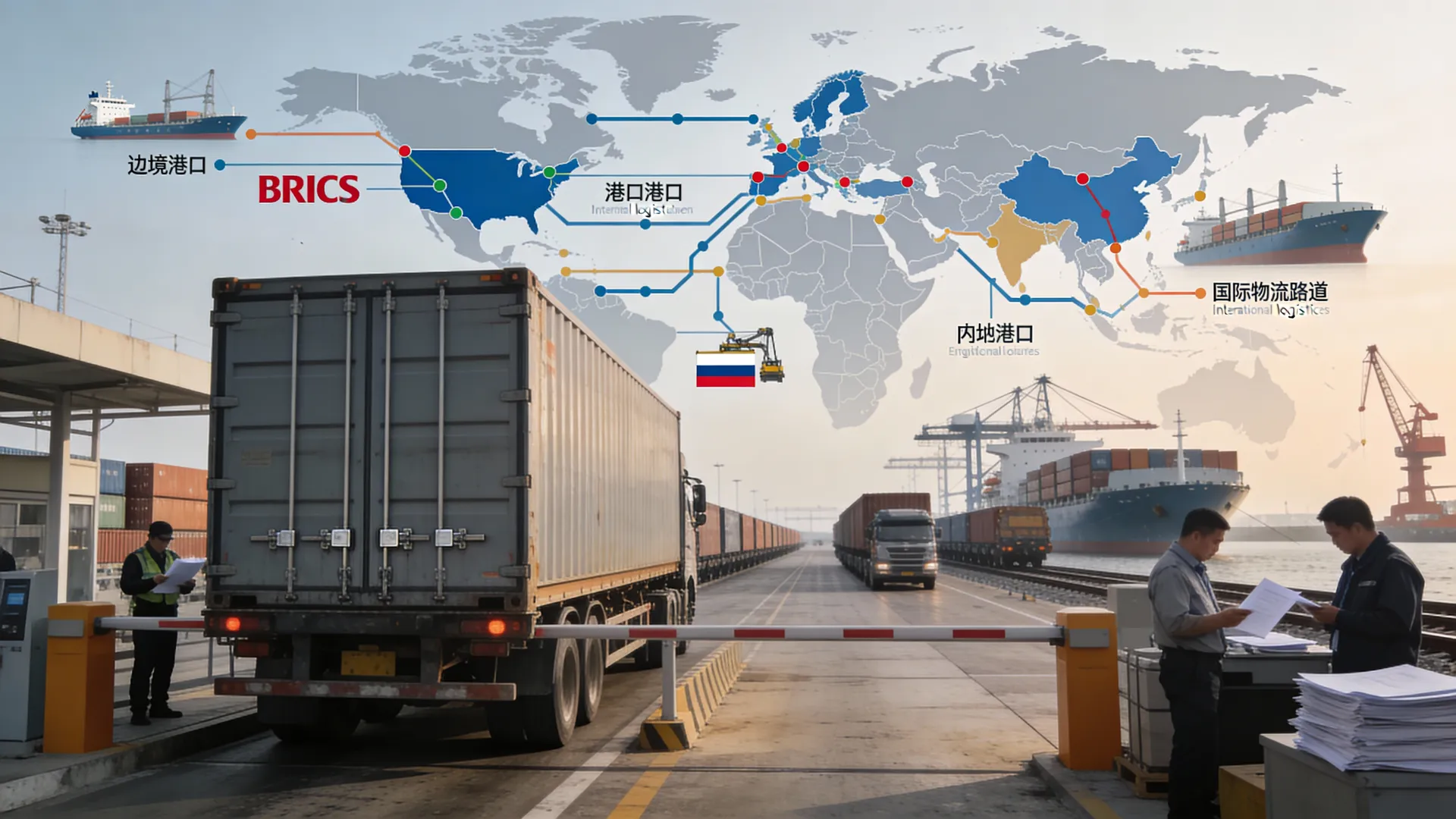
The essence of demand is clear to the market. Imports from China remain a massive destination for Russian companies, while businesses require predictable production costs and transparent documents. When the calculation is done in advance, the purchase takes place with a clear financial model: you can see where customs costs are generated, which items create the main burden, and what margin margin remains after delivery and clearance.
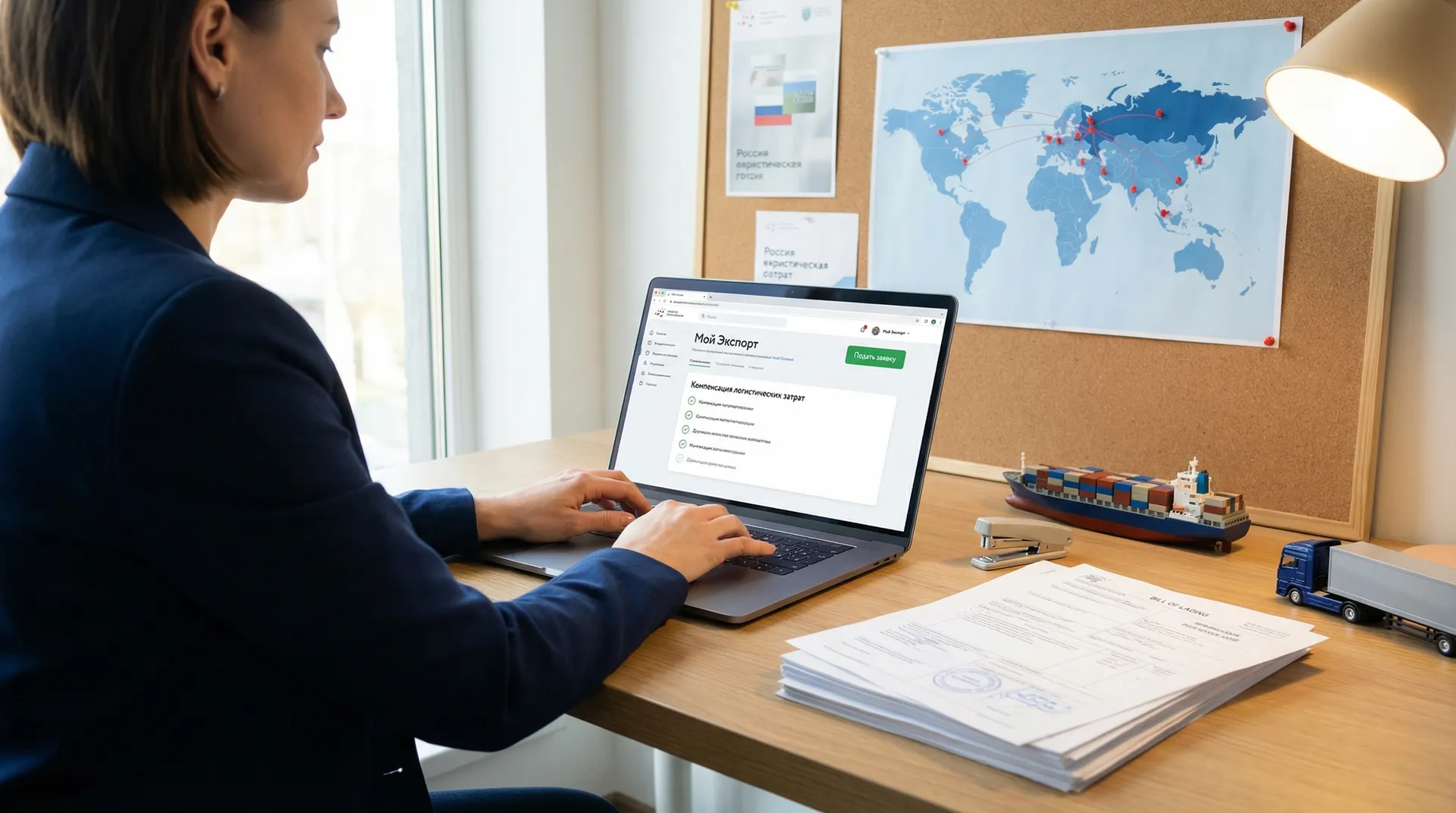
A separate value is that "pre-pricing" takes the entrepreneur away from estimating "by kilograms" and translates the conversation into the language of cost structure. This approach helps the purchasing manager to make a decision on the product range faster, and the finance director to set payments and deadlines in advance. After the initial calculation, the next step is provided: submit a request for a detailed study of the purchase directly in the bot.
Alexander Lebedev, head of procurement from abroad, explained the motivation of the product as follows:
"unlike gray schemes, where the economy often has to be considered after the fact, white imports require the predictability necessary for planning and growth." "The new service, according to him, gives businesses the opportunity to see the cost structure at an early stage and assess the prospects for procurement in a familiar and convenient format."
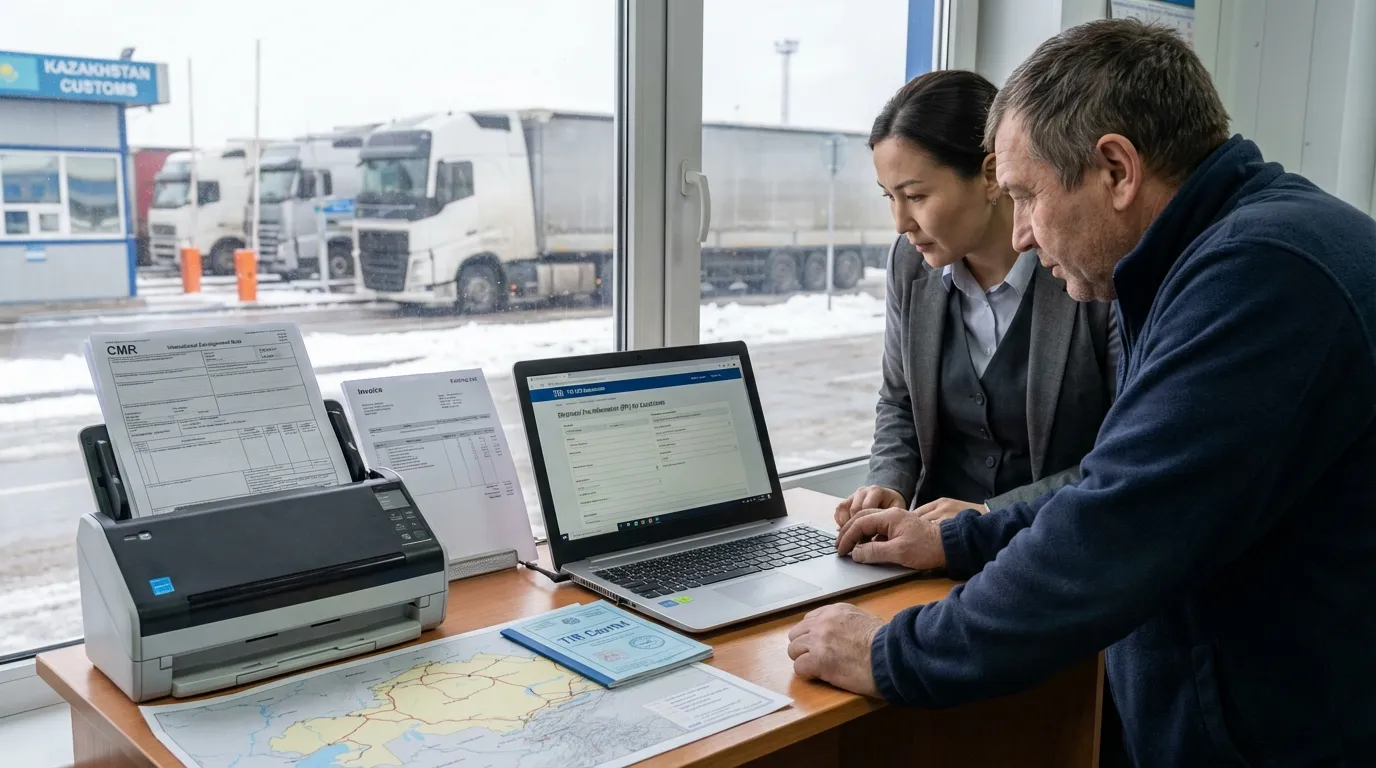
For the participants of foreign economic activity, this is a signal of a change in the competitive field. Settlement services are starting to appear inside banking ecosystems, where currency transactions, payment control, contract documents, compliance, and support for external settlements are already available nearby. The next logical step is to combine the preliminary calculation with the preparation of the package for customs clearance: correct codes, labeling requirements, a list of permits, verification of data on the counterparty and delivery parameters. This contour reduces the risk of surprises at the border and reduces delays due to corrections in documents.
The practical conclusion for companies is simple: any automatic calculations are useful as a solution filter at the start. For a transaction, you still need a professional calculation for a specific batch: delivery terms, route, type of transport, cost of insurance, certification, labeling, accurate rates and correct product characteristics. Then the "white import" remains a manageable process and provides a predictable cost.