CHINA accelerates exports: from January 27, 2026, multimodal containers are processed once at the point of dispatch

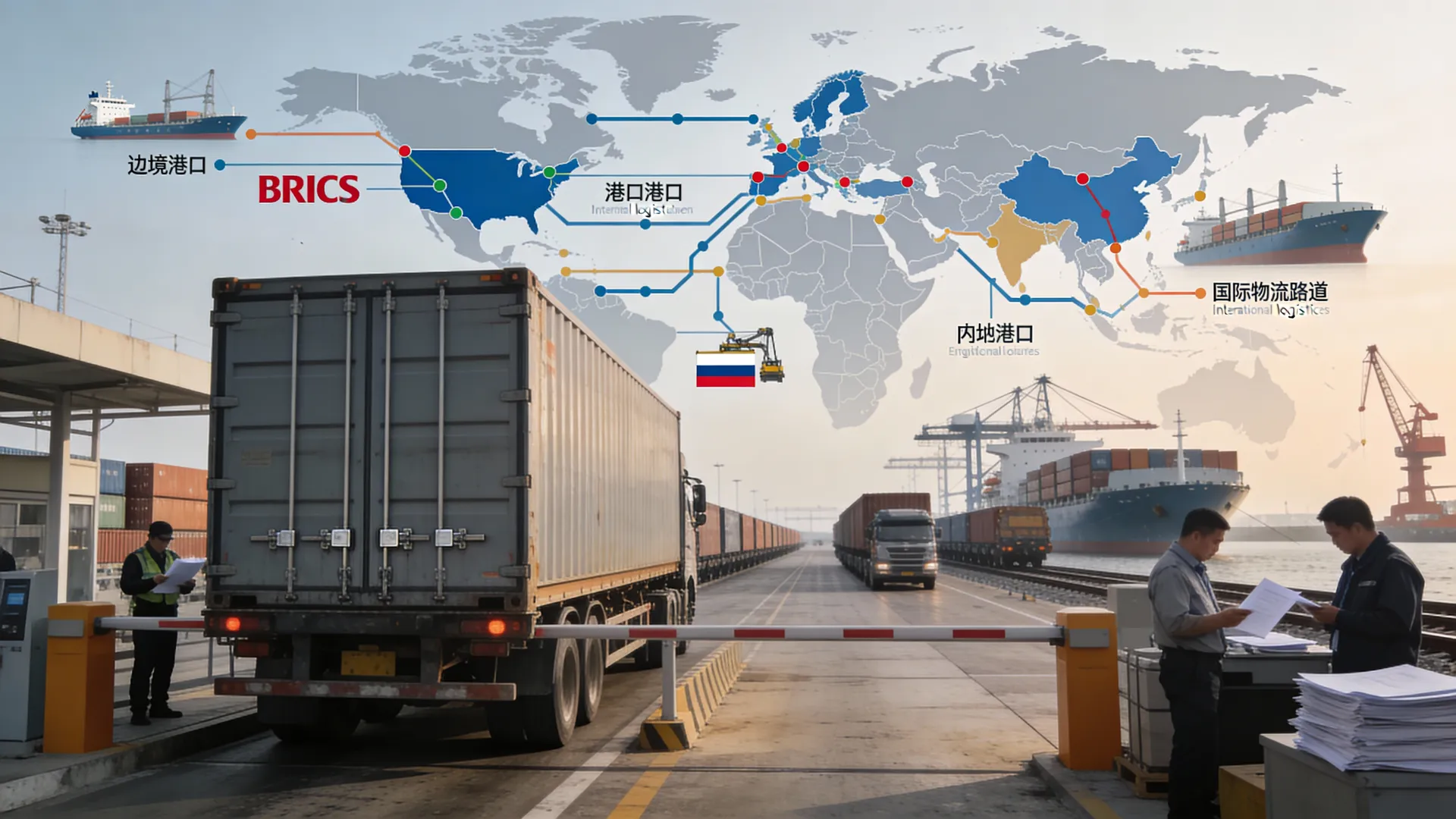
Since January 27, 2026, a pilot control scheme for container multimodal transportation has been launched in a number of regions of China, where the shoulder is carried out by rail or inland waterways within the country, and the border crossing and the main export section goes by sea. The key idea is to move away from "multiple customs" along the route and switch to the logic of "one request" and end—to-end container maintenance.
How does the procedure change operationally
- Clearance and inspection are concentrated at the starting point of the chain (the port site or station/terminal from where the container enters the multimodal scheme).
- Then the container moves through China with fewer stops: the model focuses on end-to-end monitoring and status exchange via electronic messages, rather than repeating the same procedures at each node.
- The application and electronic data are transmitted through an international "single window", separate data sets are provided for arrivals, departures, changes in domestic logistics and transshipment operations.
It is important that we are not talking about "any cargo" or "any container": the pilot is focused on containerization and compliance with the requirements for containers and modes of movement of goods under customs control.
To whom does it give the maximum effect
The most notable beneficiaries are exporters from the interior provinces and production clusters away from the coast. Previously, the typical problem was that when changing the mode of transport within the country, the risks of downtime increased: additional checks, waiting for confirmations, "buffer" warehouses at hub terminals. Now the logic is tailored to the "port plus railway plus inland rivers" corridors, where the task of the state is to bring the container to the seaport faster and export it without repetitive procedures.
Practical conclusions for business and foreign economic activity
For companies building supply chains from China, the pilot changes planning priorities:
- Documents and data need to be prepared in advance at the start point, because it is there that the "end-to-end" application is formed and the quality of the entire chain is laid.
- The role of proper routing is increasing: it is more profitable to collect goods closer to the nodes of the railway or river exit in order to "enter" the multimodal scheme with one container and without crushing.
- Uncertainty about the timing within China is reduced, which means it is easier to more accurately calculate transit, warehouse buffer and penalty risks under contracts.
It is worth keeping an eye on the geography of the pilot: customs units in a number of large hubs participated in the launch, from the coast to domestic centers, which shows the intention to scale the model to key corridors, rather than leaving it as a local showcase.
The main purpose of the initiative is to systematically reduce the cost of exports from the depths of China and make multimodal container chains more predictable in terms of time and control. This is a signal to the market: the emphasis is on data standardization, containerization, and corridor connectivity, where the railway and inland rivers operate as transportation to the sea, rather than as separate disparate sections.