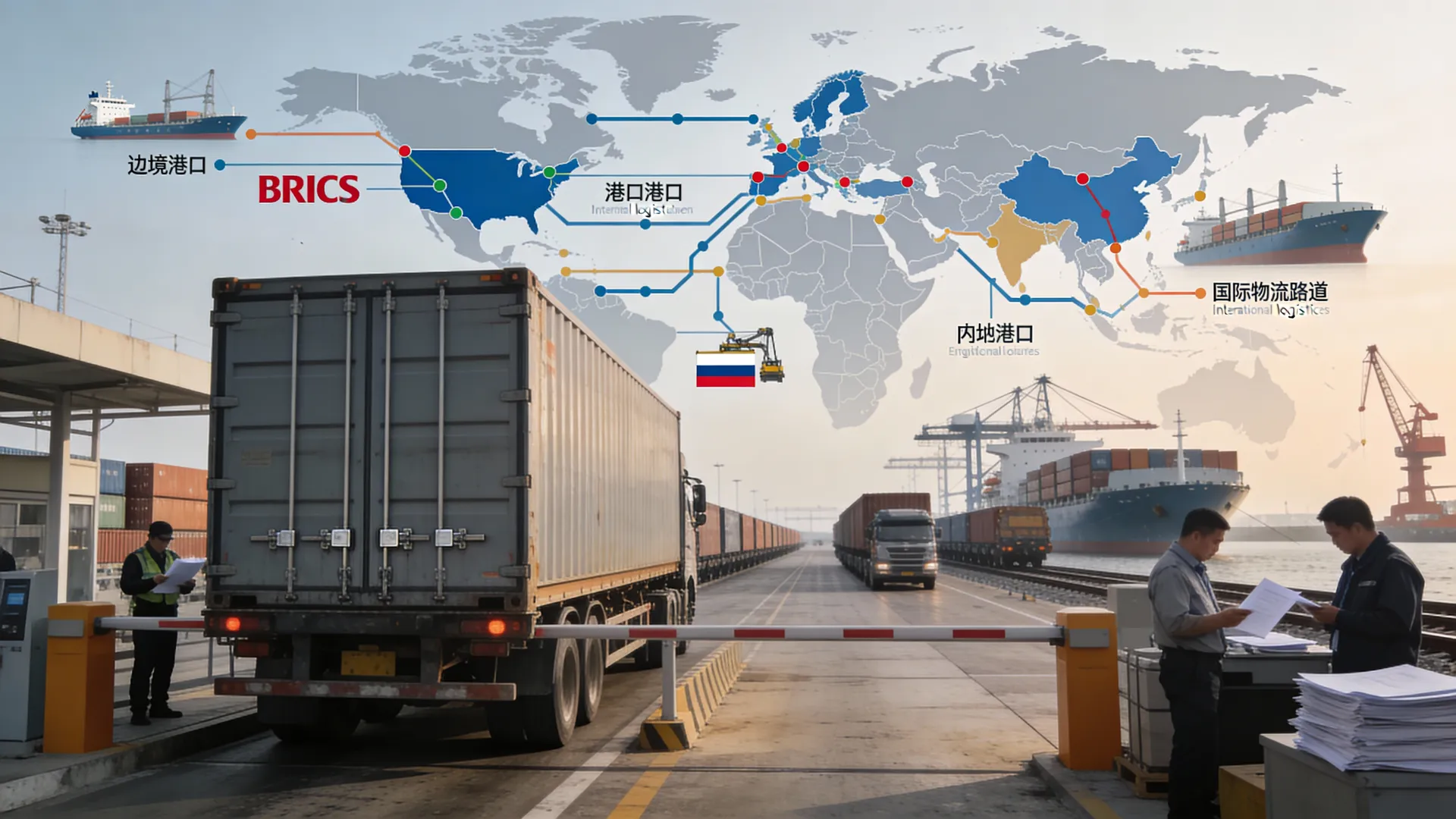
Shipments of metal products from China look simple only on paper: in the catalog, all items shine the same, and the specification is often “too general" to protect the buyer. The reality of production is the choice of raw materials, tolerances, processing modes, heat treatment, coating, packaging and quality control. At these stages, the difference is born between the batch "as in the photo" and the batch, which is then returned from the warehouse due to a defect.
A personal visit is a way to quickly answer the main question of foreign trade: who exactly guarantees quality and how. It is critical to see in metal products:
- what brands of metal are actually purchased and how are the raw materials stored?;
- are there calibrators, measuring instruments, and a measurement log?;
- how control points are set up (in-process QC and final acceptance);
- who is responsible for the coating and what parameters are fixed (thickness, adhesion, corrosion resistance);
- how they are assembled and packaged is because logistics “kills” metal no worse than a machine tool (chips, scuffs, corrosion from humidity).
Why does the "catalog" deceive more often than it seems
In China, a common model is when a trading company sells under the guise of a factory, and production is located at several sites. At the picture level, it's invisible, but at the party level, it's critical: processes, people, equipment, and discipline are changing. Hence the typical risks of foreign economic activity:
- material substitution (similar in appearance, but weaker in characteristics);
- the range of tolerances from batch to batch;
- incompatibility of components when re-ordering;
- incorrect labeling/packaging, which causes the product to arrive “alive" but unsold.
What should be discussed at the factory to make the visit work?
A proper visit is not an excursion, but negotiations on four layers.:
- Technical requirements: drawings, tolerances, coatings, tests, AQL/acceptance criteria.
- Production capacity: real load, deadlines, bottlenecks, availability of backup lines.
- Commerce and delivery model: minimum batches, price at different volumes, packaging, branding.
- Documents for foreign economic activity: invoice/packing, HS code, origin, certificates, labeling requirements for your country.
Expert conclusion
Personal control in China is a way to transfer risk from the zone of “hope” to the zone of “procedure”. In an environment where the market is being rebuilt, and suppliers compete with speed and price, those who manage quality at the source benefit. And if the team takes over the audit, negotiations and support, the customer receives not a "factory contact", but a controlled result: a clear specification, a confirmed process and a predictable delivery.