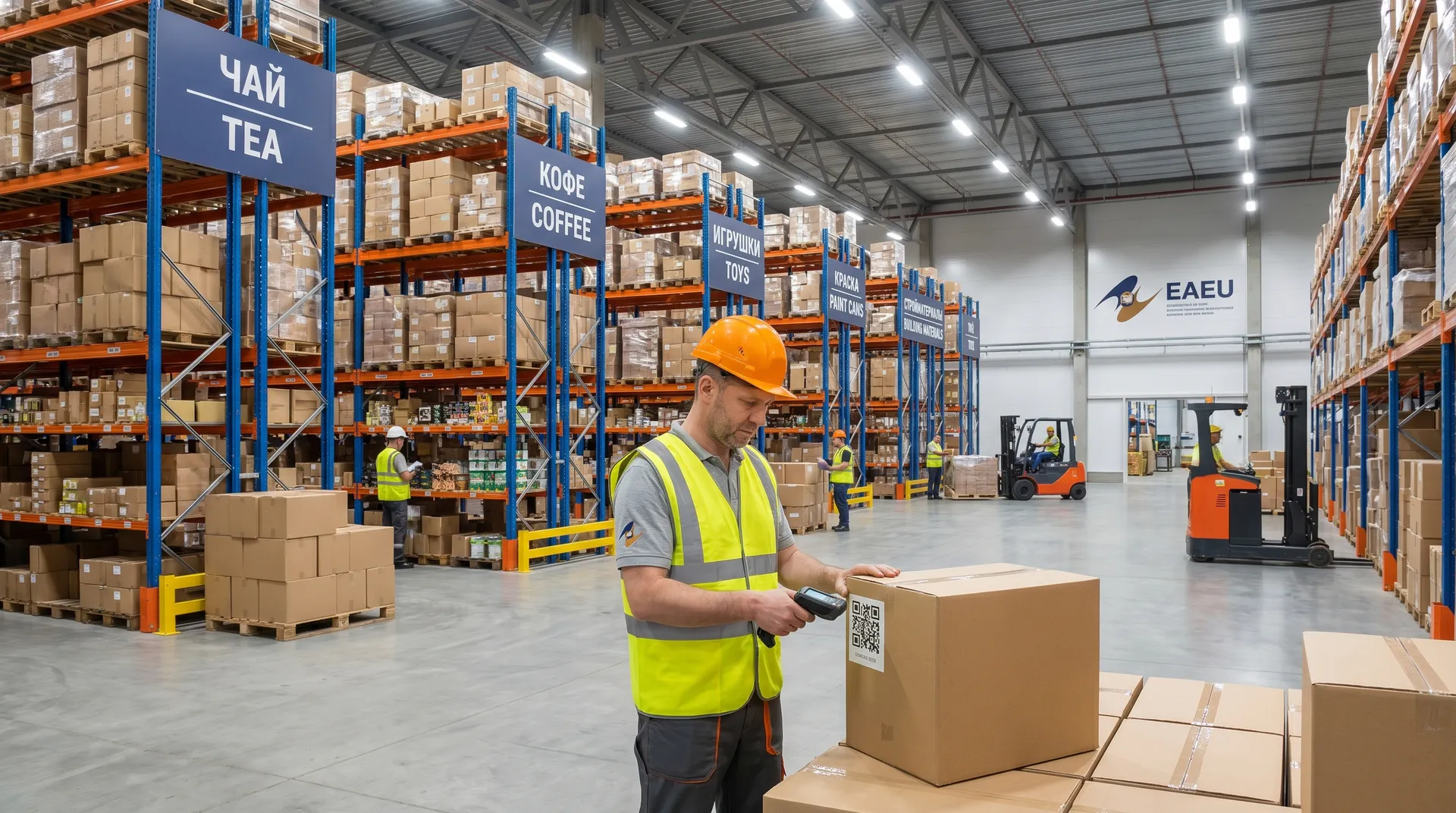
The product labeling system in the EAEU area continues to expand. On April 28, the Council of the Eurasian Economic Commission decided to include six new product categories in the list of mandatory identification labels: tea, coffee, cocoa, paint and varnish products, children's toys and building materials.
A fundamentally important point is that the rules are uniform for the entire union. The Minister for Trade of the EEC Andrey Slepnev explained: "Labeling of new product groups will be carried out according to unified rules in compliance with the provisions of the basic technological organizational model of the labeling system. Mutual recognition of the codes will be ensured, which will eliminate the need to re-label goods when they are in circulation in the Union."
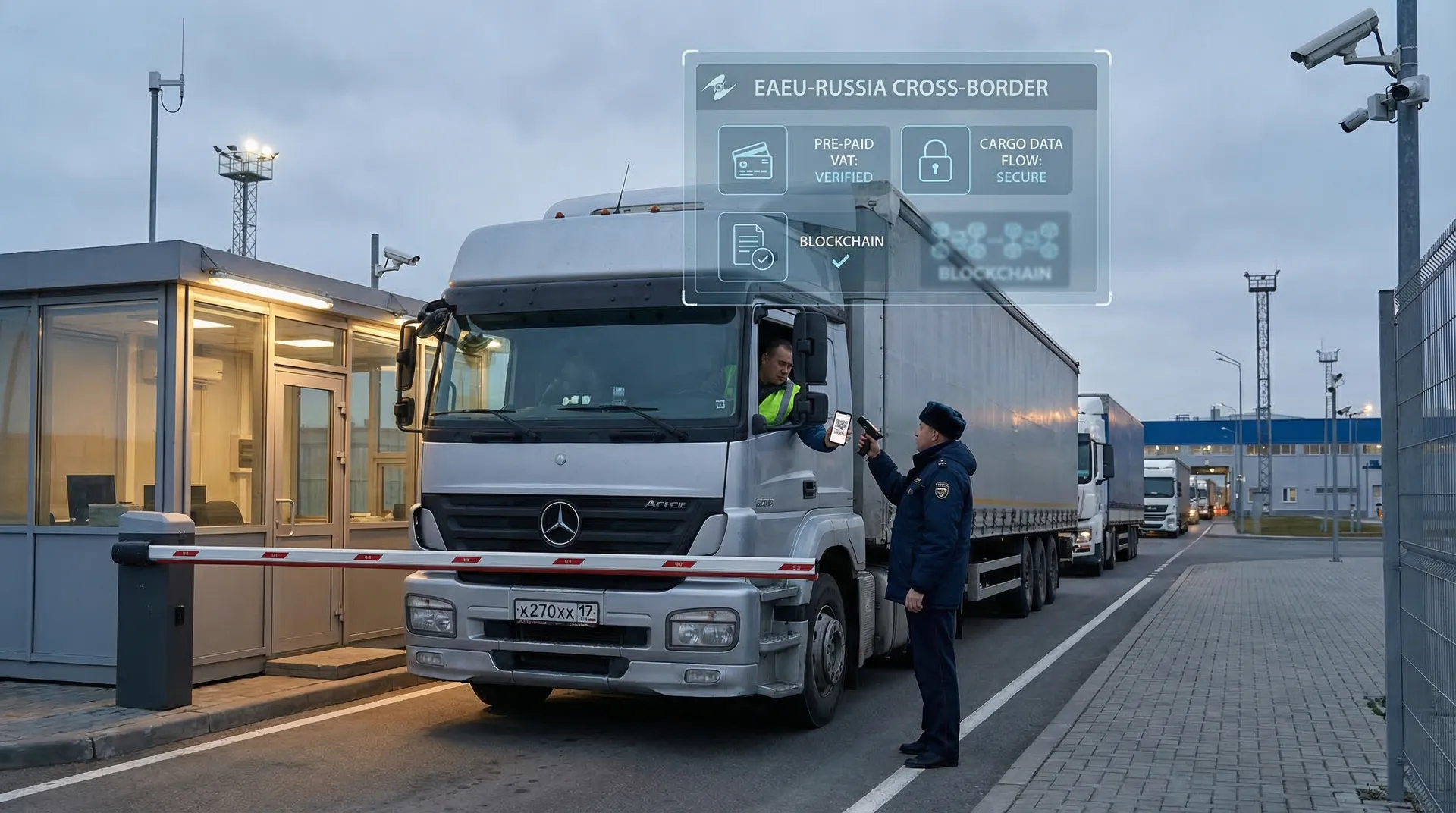
In other words, a product marked for the Russian market will not require re-labeling when moving to Kazakhstan, Belarus, Armenia or Kyrgyzstan. This reduces costs for businesses operating in several EAEU countries at once.
Each State will independently determine a specific date for the start of labeling on its territory. The only limitation is that the EEC must be notified no later than six months in advance. Across Russia: Tea and coffee have been labeled under Russian law since April 1, 2026, and construction materials since May 1. The EEC decision synchronizes these requirements at the level of the entire union.
For importers from China, India, Vietnam, Sri Lanka and other tea and coffee suppliers, this means a mandatory restructuring of document management and logistics. Each unit of the product will require the application of an "Honest Mark" code either at production or upon importation, before entering into circulation.
Slepnev outlined the purpose of the expansion directly: "Labeling allows consumers to verify the authenticity of products and increases the competitiveness of bona fide market participants by reducing illicit trafficking." In fact, this means that the gray import of tea, coffee and building materials becomes much more difficult.