The practice of additional taxation of export customs duties in Russia is reaching a new level and affects more and more participants in foreign economic activity. Exporters of goods with floating rates, such as grain, sunflower oil, meal, and products subject to temporary export duties, were at risk.
The essence of the problem lies not so much in the rates themselves as in the interpretation of the export process by the customs authorities. In some cases, even standard logistics operations become the basis for a review of payments.
The first common scenario involves the shipment of goods on the same declaration, but on different dates. If a shipment is issued with one DT, and the actual transfer to the first carrier takes place on several railway waybills on different days, customs may consider that the requirement for simultaneous shipment has not been met. In this case, a part of the goods qualifies as moved in violation.
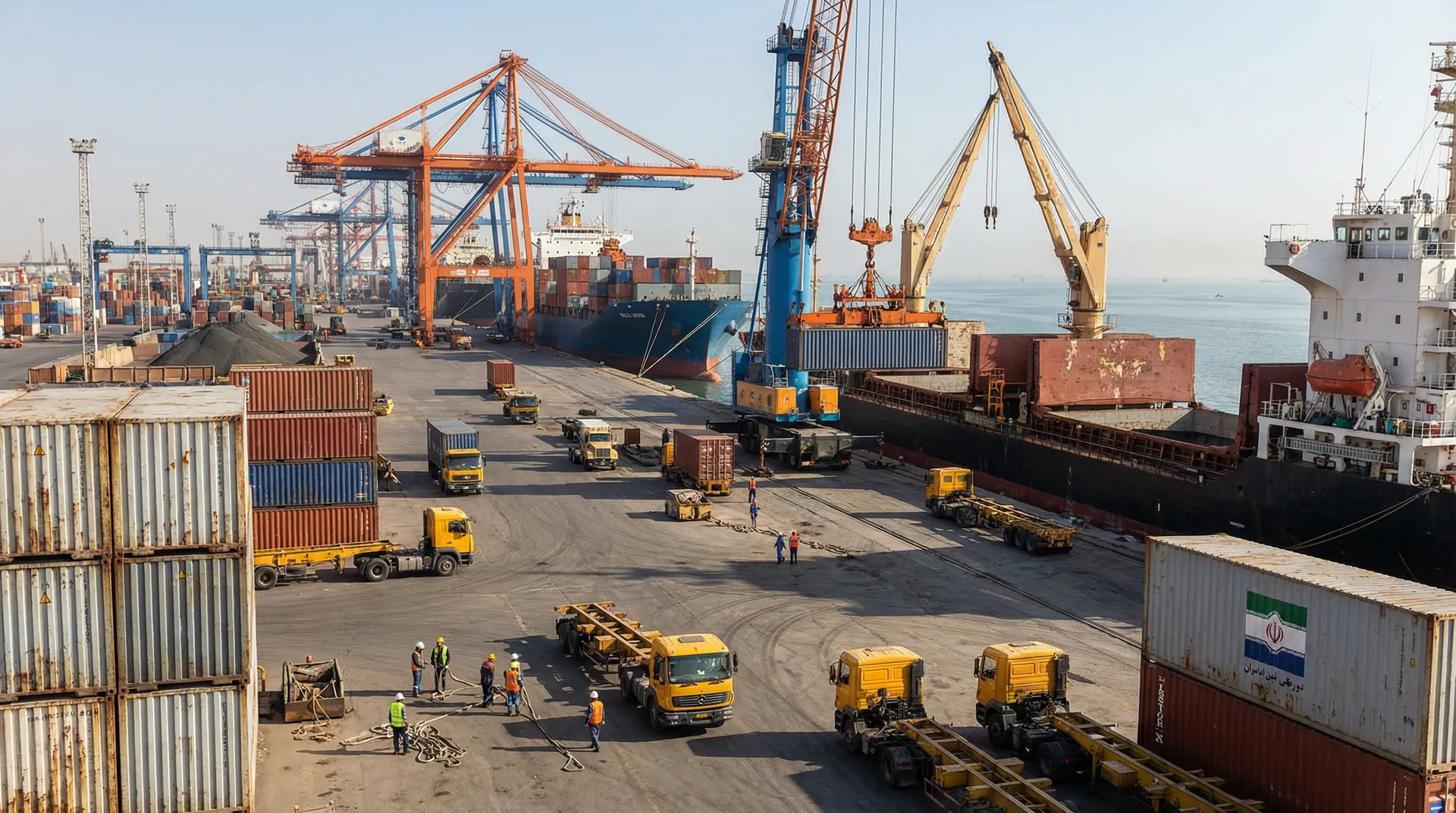
The second scenario concerns multimodal logistics. When the cargo first goes by rail to the port and then departs by sea, all stages of transportation must be reflected in the declaration. If only the railway waybills are indicated and the bill of lading data is missing, this may be regarded as an incomplete declaration.
In both cases, a single approach is applied: the customs authorities use the duty rate effective on the date of the actual border crossing. If the rate has increased by this point, an additional charge is incurred. With large export volumes, the amounts reach millions of rubles and significantly affect the economics of the transaction.
It is important that the judicial practice on such disputes is not unambiguous. In some cases, courts and higher customs authorities take the position of exporters, recognizing additional charges as unjustified, taking into account the actual circumstances. This shows that businesses have the tools to protect their interests.
For participants in foreign economic activity, the key conclusion is obvious. Logistics and documents should be treated as a single system. Any discrepancies between the actual route and the information in the declaration increase the risk of additional charges. This is especially true in the context of frequently changing export duties, where even a small time shift can lead to significant financial consequences.