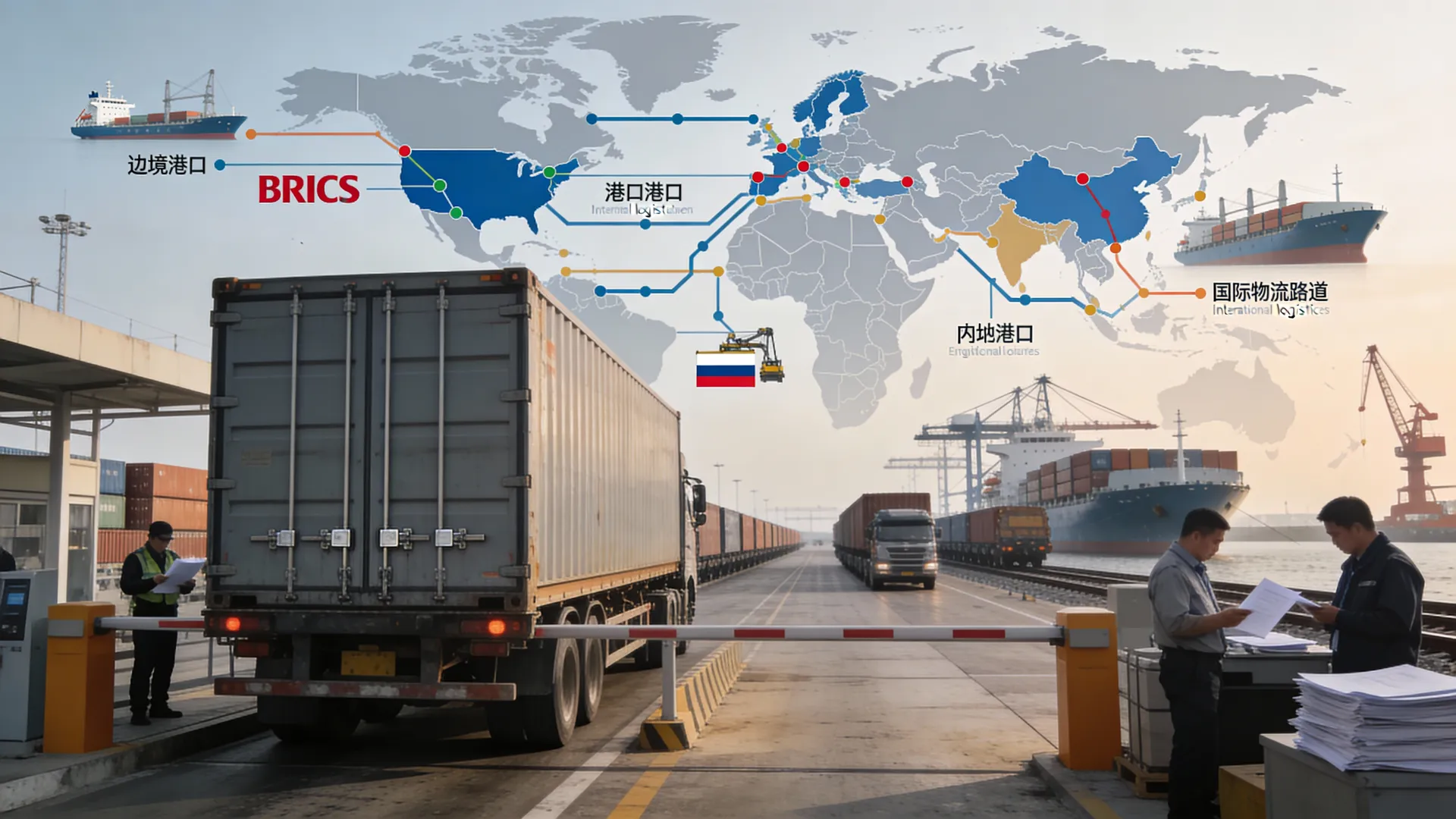
The authorities have set long-term priorities for the development of Russia's foreign trade until 2030. The new policy is based on the roadmap for international trade, developed by a specialized working group within the framework of the National Model of Targeted Business Conditions. The document defines the key areas of reforms, some of which will be implemented as early as 2026.
In total, five priorities have been identified, designed to simplify the work of exporters and importers and reduce system costs in foreign economic activity. We are talking about optimizing currency control, a new approach to determining customs value, the transition to international electronic document management, mutual recognition of standards with foreign partners, as well as the fight against duplication of documents in foreign trade operations.
According to the developers, the implementation of these areas should lead to structural changes in the entire foreign economic activity system. According to the head of the International Trade working group, Pyotr Ivanov, General Director of the Far Eastern Shipping Company, the effect of the reforms will be comprehensive.:
"The implementation of these steps will significantly reduce the transaction costs of exporters and importers, as well as qualitatively improve the investment attractiveness."
The work on the roadmap was carried out with the participation of a wide range of stakeholders. The working group included representatives of relevant federal agencies, including the Ministry of Industry and Trade, the Ministry of Economic Development and the Rosselkhoznadzor, as well as the Russian Export Center, the banking sector, major state corporations and business associations. This format made it possible to take into account both the regulatory and practical aspects of foreign trade.
The roadmap has become part of the National Model of Targeted Business Conditions approved by the government at the end of 2025. The model was developed on behalf of the President and represents a systematic set of measures to improve the business climate. All indicators and initiatives are grouped into 11 thematic areas, from business registration and taxation to energy infrastructure and international trade.
The national model is focused on achieving two strategic goals. The first is to increase investments in fixed assets by at least 60% by 2030 compared to the level of 2023. The second is Russia's entry into the top twenty countries in terms of business conditions in the Business Ready rating, which replaced the Doing Business rating. Russia is expected to be included in this study in 2027.
Experts note that the chosen priorities reflect the transition from point-by-point changes to a systemic restructuring of foreign economic activity. Mitigation and optimization of currency controls, digitalization of document flow and elimination of duplicate procedures should not only speed up foreign trade operations, but also increase the predictability of business conditions. This factor is considered to be the key to attracting investments and expanding international cooperation in the medium term.