Many entrepreneurs mistakenly believe that purchases abroad are just an expanded version of domestic transactions. However, international trade (FEA) is a full—fledged project with unique risks and complexities that requires deep understanding, legal knowledge, and rigorous planning.
Unlike standard purchases, where it is enough to select a product according to the TOR and pay the bill, when importing, the wording of the subject of the transaction is important: the HS code, duties, tax rates and the possibility of a refund depend on this. Mistakes at this stage can lead to delays, fines, and even legal consequences.
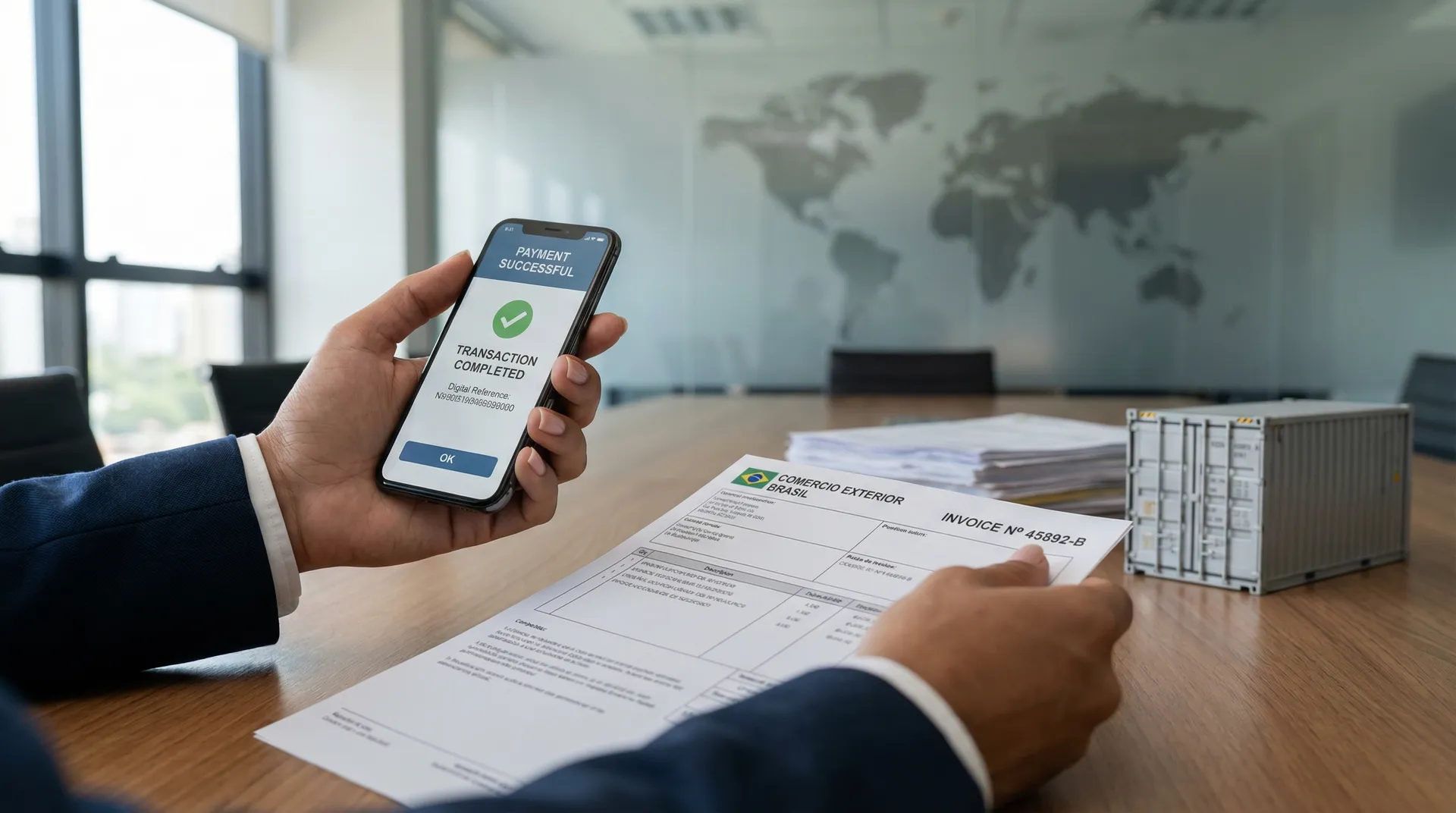
Financial calculations in foreign economic activity are related to currency risks, production time and logistics. It is impossible to simply transfer money — you need to take into account fluctuations in exchange rates, fees, control of currency transactions and time intervals between payment and delivery.
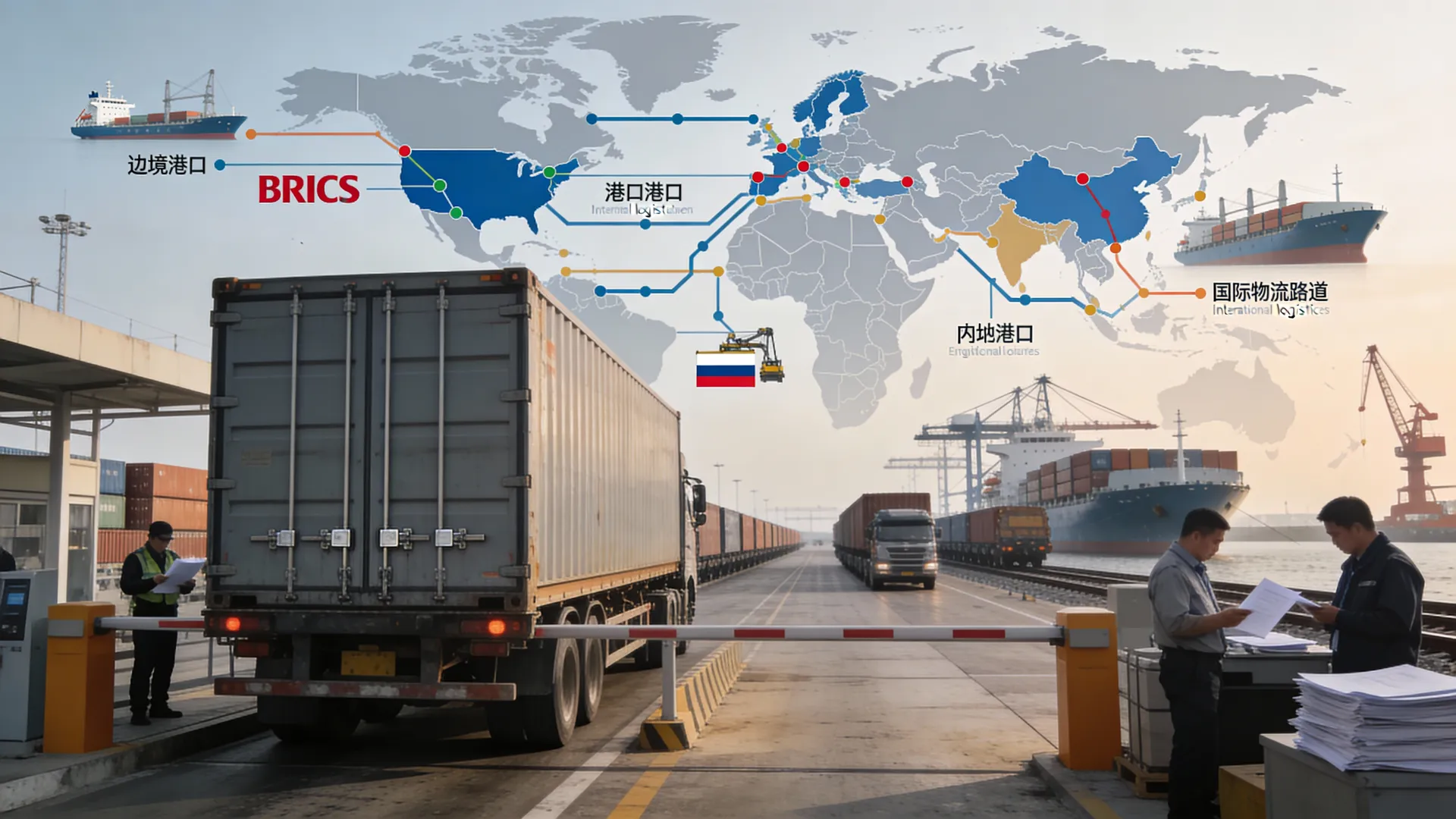
Logistics in international trade is built from the final point of delivery: it is necessary to consider packaging, border crossings, the choice of a transport route and insurance. One mistake along the way can be costly.
Legal aspects and customs procedures play a key role. Incorrect classification of goods, ignorance of special import/export regimes, or lack of certification can all lead to serious delays and costs. Certification, especially for complex products, requires an individual approach and planning at the preparation stage.
Guarantees, refunds, and import replacements are full—fledged operations that require separate processing, logistics, and calculations. Even "free samples" can incur additional costs if they are not designed correctly.
A professional approach to foreign economic activity requires a competent team, contract templates, detailed route planning, TCO calculators, and an understanding of all stages of the transaction - from preparation and execution to analysis and completion. Companies that build a competent foreign economic activity architecture benefit in money, time and reliability of supplies. The rest pay dearly for mistakes and unforeseen risks.