The main intrigue for foreign economic activity is how companies behave under ultra—high duties. In the observed model, exporters resist steep discounts, even if this results in fewer shipments. The logic is simple: if you "break" the price now, it will be much more difficult to return the margin after normalization of the regime, especially in sectors where buyers quickly re—sign contracts and demand a "new base" for years to come.
“Exporters have resisted the sharp decline in prices, despite the fact that this has led to a reduction in supply volumes.”
What companies do: three working strategies of foreign economic activity
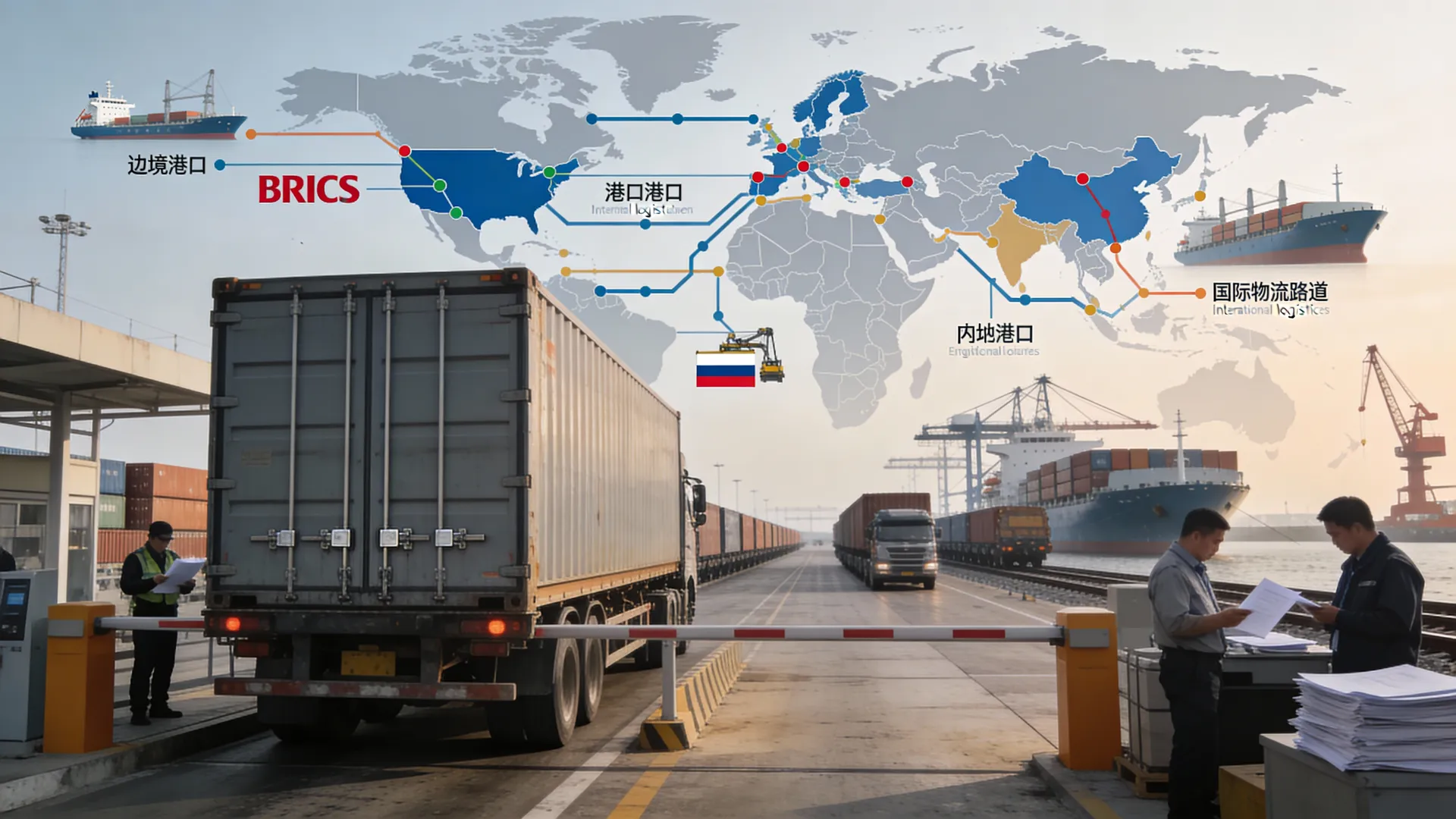
- Market diversification. When the United States becomes an expensive destination, businesses shift their portfolio towards Europe, the Middle East, Asia, and "second" markets, where they can keep the price down with less regulatory risk. This immediately increases compliance requirements: a different set of technical regulations, labeling, certification, and delivery conditions.
- Reassembly of logistics. The role of multimodal routes, transshipment and more flexible Incoterms management is growing: some sellers are trying to avoid conditions where they bear the maximum risks of delivery, shifting leverage and insurance to the buyer — especially when freight surges.
- Targeted cost optimization, but not margin zeroing. A discount is an extreme measure. Indirect costs are more often cut: packaging, warehousing, batch/frequency of shipments, and they also revise the assortment in favor of goods with higher added value (they "digest" the duty more easily).
Oil Block: Why pressure is hitting Refiners and Supply chains
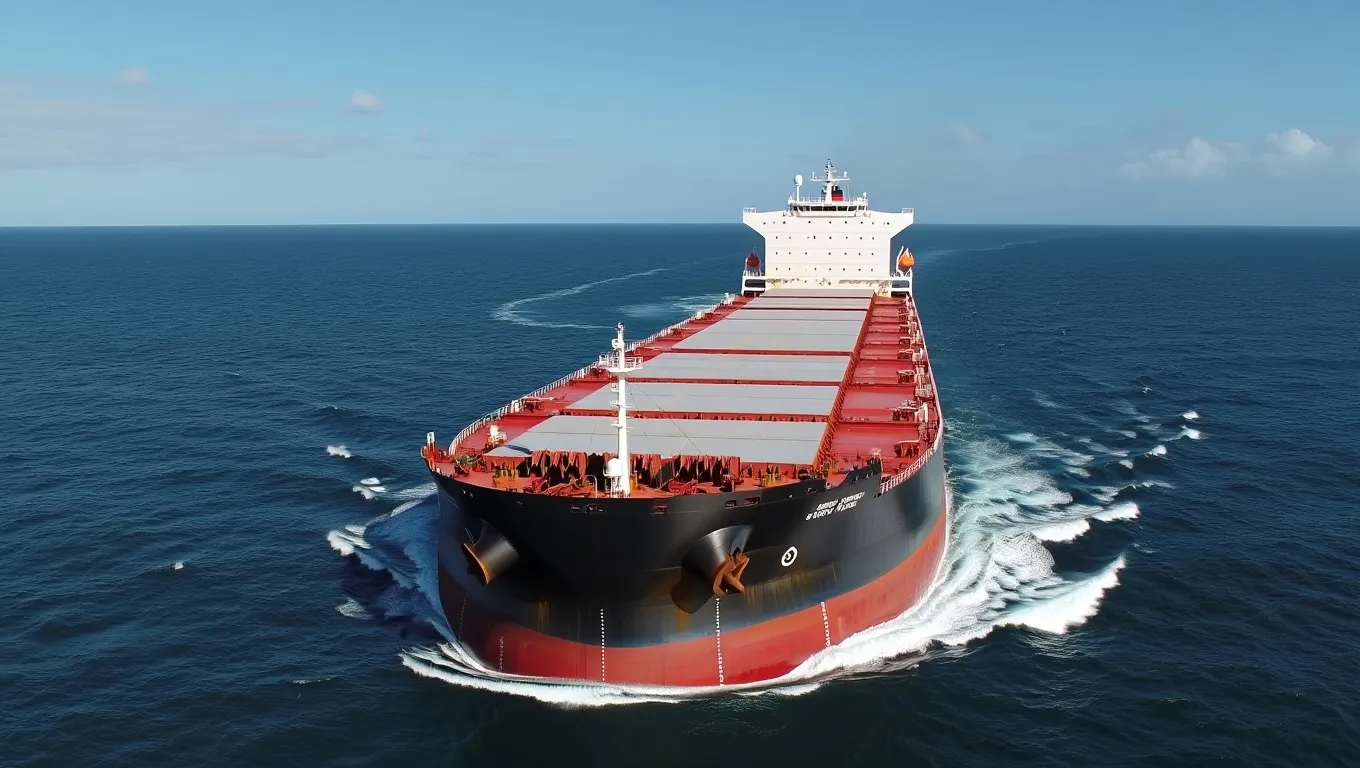
Against the background of trade conflicts, oil has become a separate stress factor. The largest refiner in India is facing geopolitical "firebrands" in the export-oriented refinery: reduced availability of certain grades of raw materials, rising shipping costs and the need to restructure purchases. In particular, there was a noticeable reduction in Russian oil imports and an increase in freight costs, which directly affects the oil → products → exports margin.
Expert conclusion for participants of foreign economic activity
This story is not only about tariffs, but about the new mechanics of global trade: market access becomes a function of politics, the origin of raw materials and the sustainability of logistics. The key thing for exporters is not to depend on one direction and keep a "plan B" for contracts, insurance and routes. For importers and carriers, it is important to calculate in advance how deadlines, costs, and legal liability change in the event of a sudden change in tariff regime. In 2026, competitiveness is increasingly determined not by the price tag in the price list, but by how quickly a company can rebuild its supply chain without losing quality and reputation.