The government has strengthened control over conformity assessment documents in the EAEU-contour: Resolution No. 87 dated 02/06/2026 immediately updated two key regimes — maintaining a register of certificates/declarations (PP No. 1856) and the procedure for suspending/terminating their validity (PP No. 936). Entry into force is on February 7, 2026, meaning the rules are already working in "combat" mode.
The main point of the changes for foreign economic activity is that the system has become less "paper—based" and more evidence-based: now it is not the existence of the declaration number that is being checked, but the reality of the tests and the legitimacy of the accreditation that were used for registration.
What has changed according to the certificates and the registry (item No. 1856). The national Certification Body has received the right to send requests on the status of accreditation and information on measurement (test) protocols to the laboratory or body accredited in the EAEU Member State, on the basis of which the certificate was issued. This means that the "weak link" in the chain (laboratory/protocol) can be checked directly, rather than through correspondence with the applicant.
What has changed with regard to declarations and “stop factors” (Item No. 936). The list of cases when the national accreditation body may suspend the declaration of conformity upon receipt of information from the customs authorities has been expanded. The triggers are directly linked to typical violations that customs sees first: the import of products according to a declaration without information about test reports, discrepancies in the actual examination data with the requirements of technical regulations, lack of confirmation of the import of samples / test samples. Additionally, the possibility of confirmation by the national agency for accreditation of the EAEU state is provided: whether a test report was issued, which formed the basis of the declaration.
A separate important block is the interstate documents of the EAEU. The conditions have been established under which declarations can be suspended on the territory of the Russian Federation if they are issued in other countries of the union, as well as scenarios for the termination of a "package" of declarations at once. For importers, this means a higher risk of a cascade effect: a problem with a single protocol or laboratory can stop not just one import, but an entire line of shipments along a single documentary circuit.
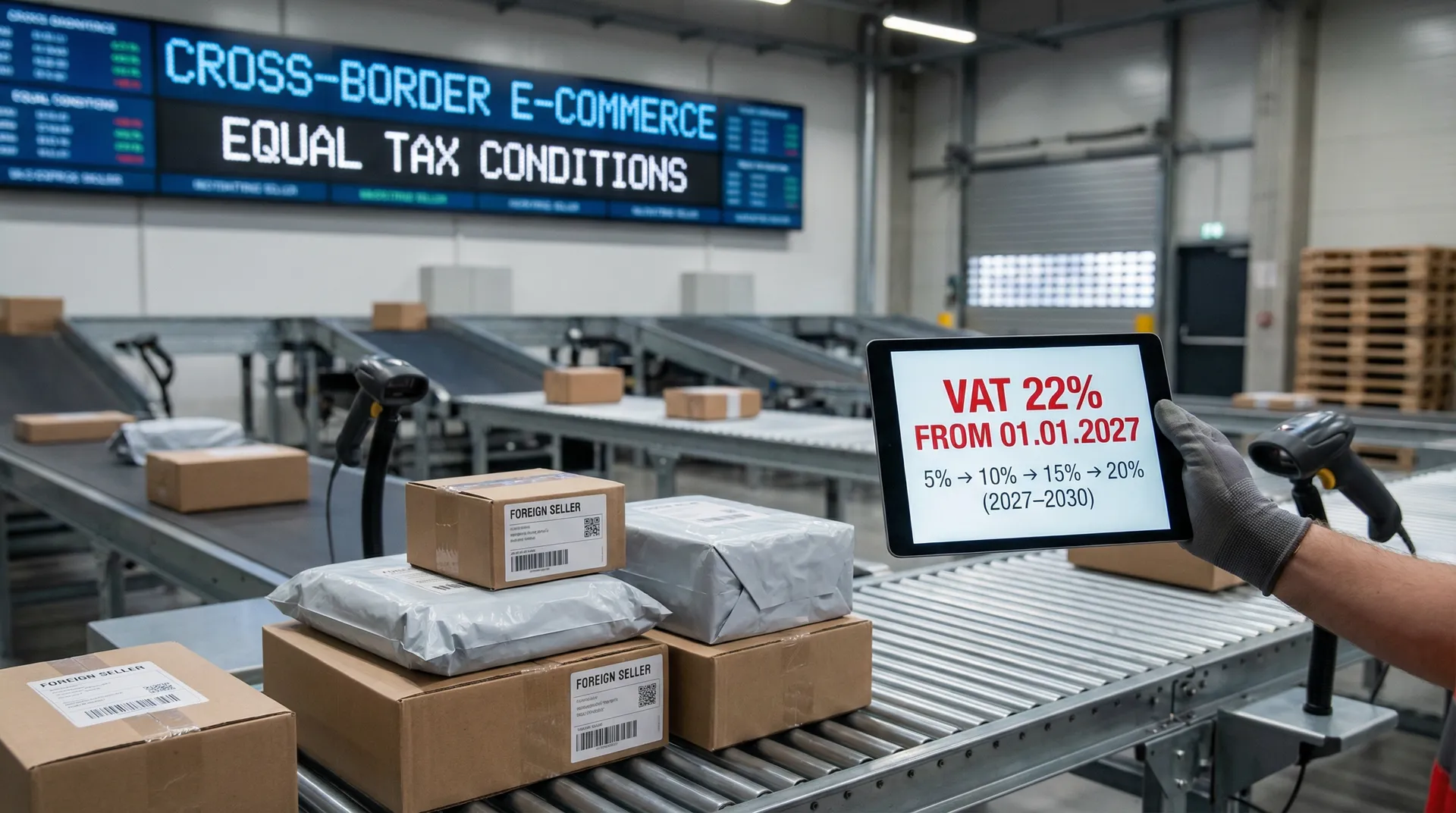
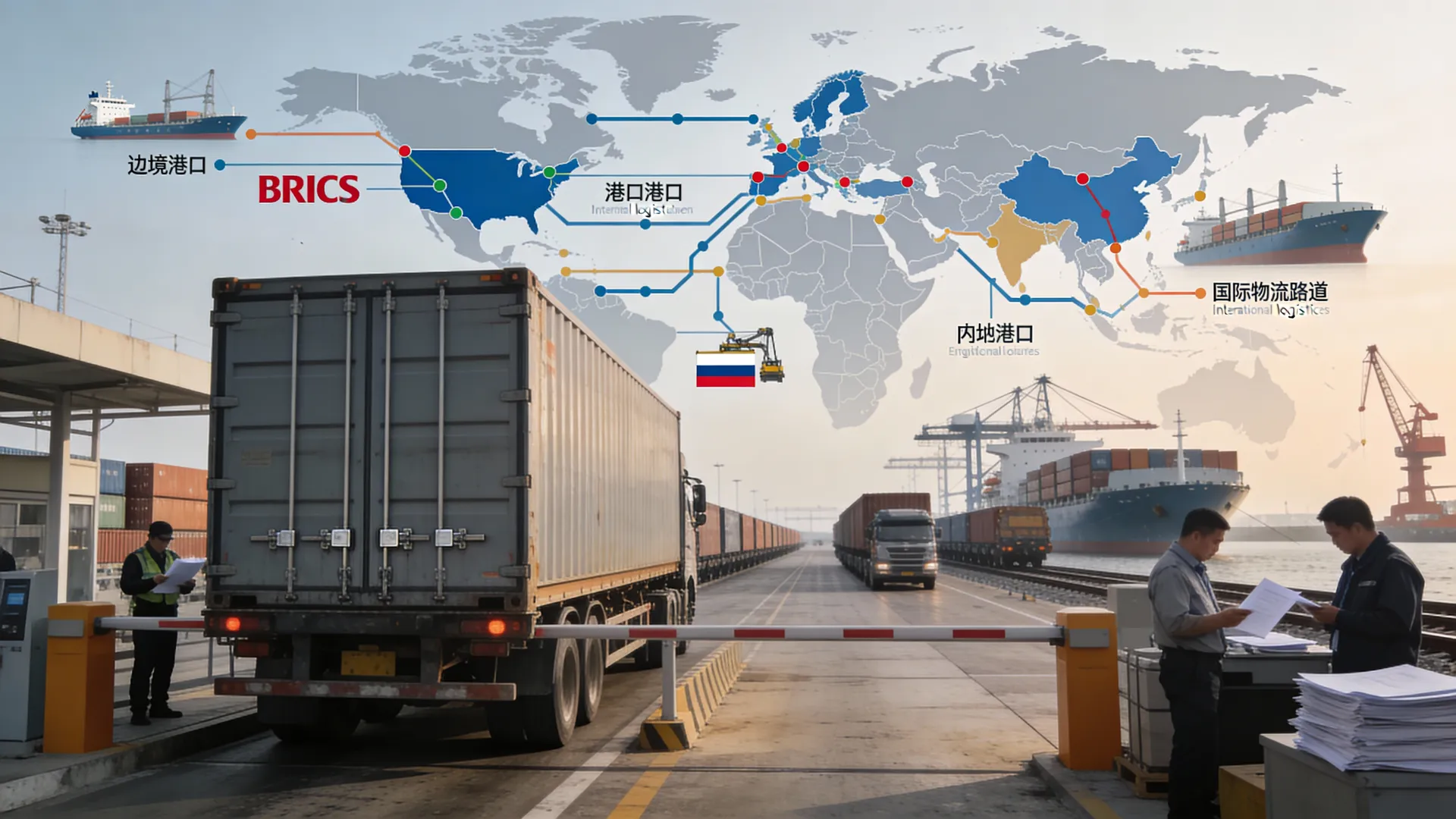
Why is this critical for logistics? Customs now does not just "check completeness", but becomes a signal source for blocking the document in the regulatory system. In terms of supply chains, this translates into direct costs: downtime at the border, over-allocation of shipments, disruption of marketplaces and contractual penalties. The risk increases where there is a high proportion of "fast" declarations and complex routes (EAEU transit, fragmentation of shipments, frequent sender/recipient changes) - because that is where questions about the traceability of samples, protocols and actual characteristics of the goods most often arise.
What to do for a business now (practice):
- raise the "evidence folder" for each product group: protocol, sample tracing, contracts with the laboratory/body, confirmation of accreditation;
- verify that the declarations correctly reflect the test reports and product identification (without "universal" formulations);
- For supplies through the EAEU, it is necessary to check the contour of laboratories and organs in advance so as not to depend on a single risk node.