Rosaccreditation strengthens control over the legitimacy of conformity assessment documents for goods imported into Russia from the EAEU countries. The Service directly links this approach to the task of closing practical "gaps" in the market when a certificate is attached to a batch, but there are no actual tests of samples. For bona fide importers, this means one thing: in the supply chain, it will be necessary to store and quickly present evidence that the conformity assessment was based on tests, and the samples actually crossed the border according to the rules.
The key signal is addressed to those who tried to save on security and paperwork. Rosaccreditation separately emphasizes:
"skimping" on the absence of tests is unacceptable neither from the point of view of customs regulations and fair competition, nor from the point of view of risks to the life and health of consumers.
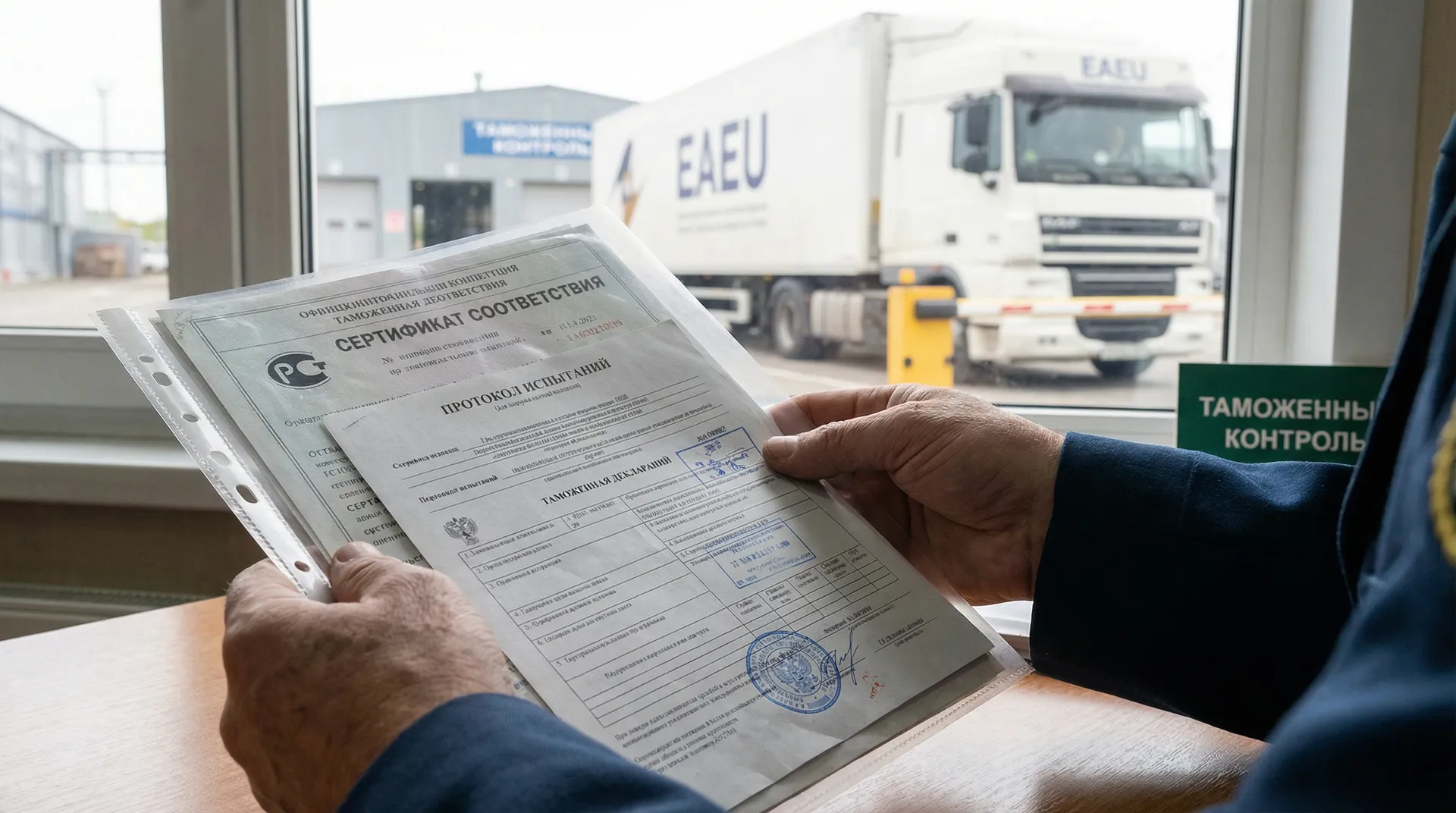
In practice, for imports from the EAEU, the service recommends having a complete set of confirmations: a certificate of conformity, a test report specified in the certificate, and documents for the import of samples, including a customs declaration. The absence of any element increases the risk of questions at customs and further checks along the product turnover chain. For logistics, this turns into a separate process: the documentary "passport" of the batch must be collected in advance, synchronized with the broker, warehouse and carrier, and kept available for control at the time of release.
A separate line is the work on the "stop lists" of certification bodies that issue documents without testing. In February 2026, the position was fixed in the public field that the restrictions apply to documents issued after February 9, 2026, within the framework of the new rules introduced by Resolution No. 87. This reduces uncertainty for businesses on previously issued certificates and at the same time increases the price of risk on new designations.
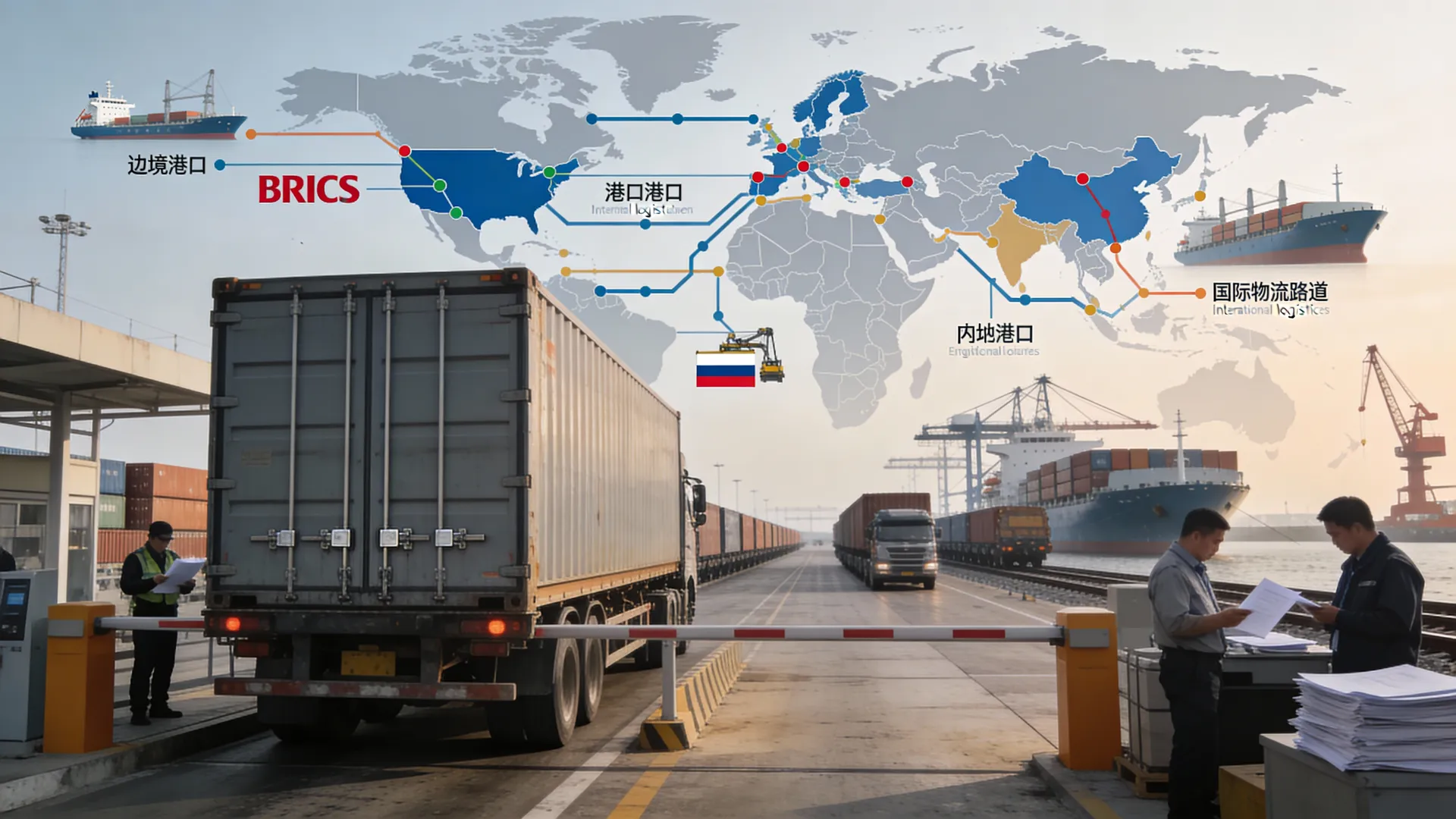
Another important conclusion for the participants of foreign economic activity working through the EAEU routes is that control is shifting from the point "paper attached" to the point "paper confirmed by sources". Companies that build the traceability of documentary bundles win here: certificate number → protocol number → laboratory information → sample import declaration → accompanying batch documents. This approach is also useful for trade with the BRICS countries, where supplies often go through combined transit and transshipment schemes. With the growing role of parallel channels and complex logistical shoulders, transparency of the evidence base is becoming a factor in the speed of output and the sustainability of supplies.
The recommendation for the near future for importers and 3PL partners is to check the certificate-protocol–samples bundle in advance, record it in the delivery dossier, and include the test reports in the document acceptance checklist before shipment. This reduces the likelihood of delays, release disputes, and financial losses in storage and downtime.