Russia has set its sights on Saudi Arabia: they want to expand halal exports at the expense of meat and certified suppliers

Russia plans to increase the supply of halal products to the Saudi market. In the fields of Innoprom. Saudi Arabia" the head of the Ministry of Industry and Trade Anton Alikhanov indicated that now the main volume of agricultural exports is grain, but there are companies with ready-made halal certification for meat.
"Yes, we have such plans. In principle, our agricultural exports are quite good, but mostly, of course, these are grains. But we have our own number of companies that deal with beef and lamb, which have the appropriate certificates. Therefore, we also aim to promote these exports here in the Saudi market," he said.
Separately, the minister pointed to a "showcase" for promotion — a forum/event under the Made in Russia brand is planned in Saudi Arabia in the spring, where halal will be one of the topics.
Why Saudi Arabia is important right now. The Kingdom is the largest consumer market in the region and the gateway to the Persian Gulf countries. For the Russian foreign economic activity, this is not only about demand, but also about raising the bar: halal in KSA is always a test of the maturity of the supply chain, from the origin of raw materials and veterinary procedures to packaging, labeling and temperature conditions.
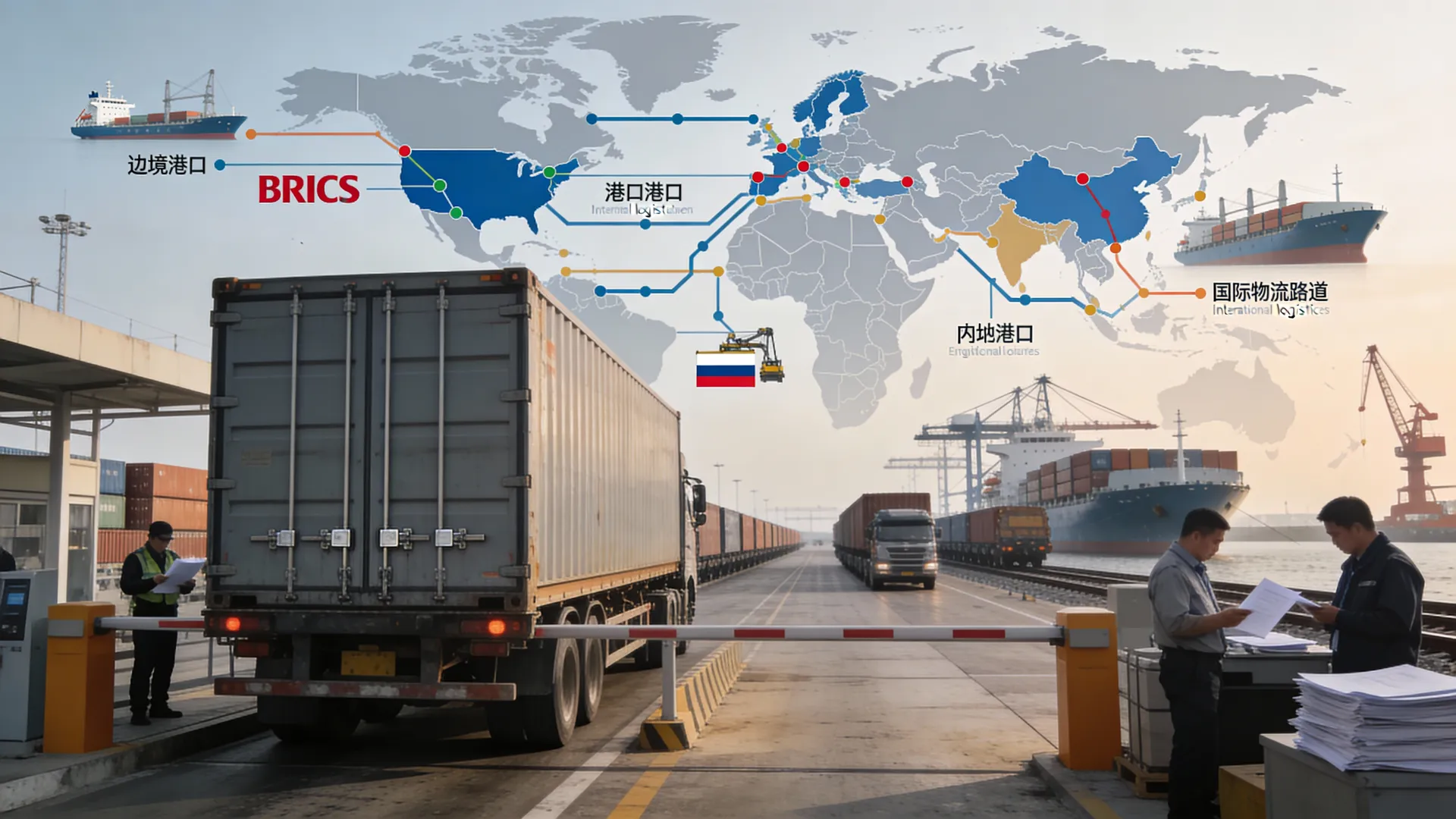
Where the bottleneck will be: not production, but “compliance and logistics". For halal meat products, the key risks lie in three areas:
- Certification and recognition of documents: it is important that the Halal certificate is accepted by the importing party and accompanied by a correct package (veterinary certificates, origin, laboratory confirmations).
- Cold chain: any temperature drop or delay at the junctions (port, warehouse, inspection) affects quality and contracts more than it affects “regular” food exports.
- Timing and regularity: Saudi buyers value stability. A single delivery works as a test, but the market is divided by those who provide the rhythm.
What this means for business in 2026. A window of opportunity opens up for companies that already know how to work “like an adult”: transparent batch traceability, clear documentation, clear conditions for Incoterms, risk insurance in logistics, contractual SLAs for temperature and deadlines. At the same time, not only meat producers will benefit.: Together with them, suppliers of packaging, refrigeration equipment, warehouses, container services and freight forwarders are growing, able to keep quality control on their shoulders.
A practical conclusion. Halal exports to Saudi Arabia are not a story about “finding a buyer,” but about building trust through standards. Forums and national expositions help open doors, but those who prove the stability of the supply chain and the legal purity of the supply at each stage gain a foothold in the market.