State support for exports is growing: REC — 1.75 trillion rubles, regions — 2.36 billion, plus grants for certification to enter the BRICS markets

We are looking at where to find money and services, how to link support with logistics, and why the BRICS competition can give a strategic advantage to those who enter first.
The figure of 1.75 trillion rubles of supported exports is not a "distribution of money to everyone", but an indicator that the transaction support infrastructure is becoming more systematic: consultations, search for counterparties, demand storefronts, risk insurance, financing and tools to reduce barriers to documents. This is important for businesses for one reason: in foreign markets, the winner is not the one with the "lowest price", but the one who better manages risks — deadlines, compliance, payment discipline and logistics.
Regional support: why it is an entry point for SMEs
Subsidies to the regions for the work of the CPE in 2025 (1.5 billion rubles) were aimed at supporting SME exporters by the end of the year, that is, to help them complete the "first mile" of exports: select a market, prepare commercial and licensing documents, calculate logistics, assemble a package for certification/labeling.
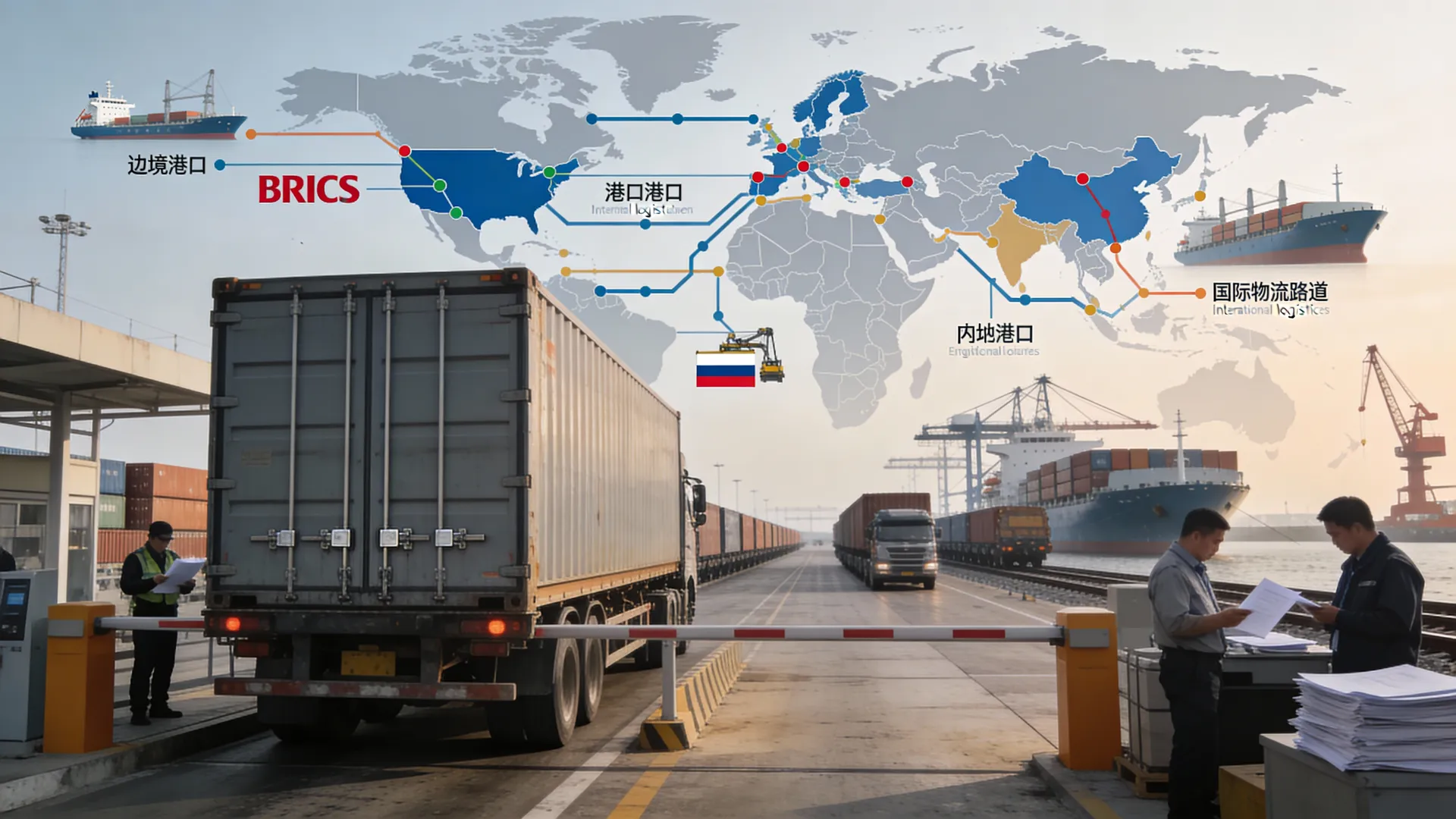
In 2026, the financing of the CPE at the level of 2.36 billion rubles is a signal that the regions will more actively support export projects, and not just "teach" to export. At the same time, the focus is shifting to new transport and logistics corridors to Africa and Latin America through Russian ports, which for foreign economic activity means that the market is further away - the role of subsidizing logistics and the correct contract model (Incoterms, insurance, time control) is higher.
Where to look for certification co-financing and why do I need it?
Certification (including ISO and industry standards) is often not a "piece of paper for show", but an entrance ticket to supply chains: tenders, distribution, large networks, B2B contracts. The rational strategy is this:
- To start with the CPE: they are closer to the practice, they know the local contractors and typical mistakes in the markets. The contacts can be found in the official list.
- Look at grant instruments, especially if the product is related to innovation/high—tech areas. Official catalogs are useful for finding programs.
"BRICS will support exporters": what is applied here
The BRICS international competition within the framework of the Internationalization program really deserves special attention: in the competition documentation, the costs of product certification (as part of the project budget) directly appear among the allowable costs.
For exporters, this means a simple choice: either you pay for the "expensive entrance door" to foreign markets yourself, or you try to enter through competitive mechanics and share the burden with the government — but on condition that the project is really international and prepared according to the requirements (partners, work plan, commercialization, reporting).
The exporter's practical checklist for 2026
- Check which certificates your target customers require (rather than the "market as a whole") and include this in the financial model.
- Check the logistics: in long-range destinations, not only the rates are critical, but also the reliability of the route, port infrastructure, insurance, and a time buffer.
- Start with "quick wins" through the CPE: offer packaging, commercial documents, standard contracts, basic compliance.
- Prepare a project for grants/competitions as for an investor: product, market, economy, partnerships, certification plan and evidence of demand.