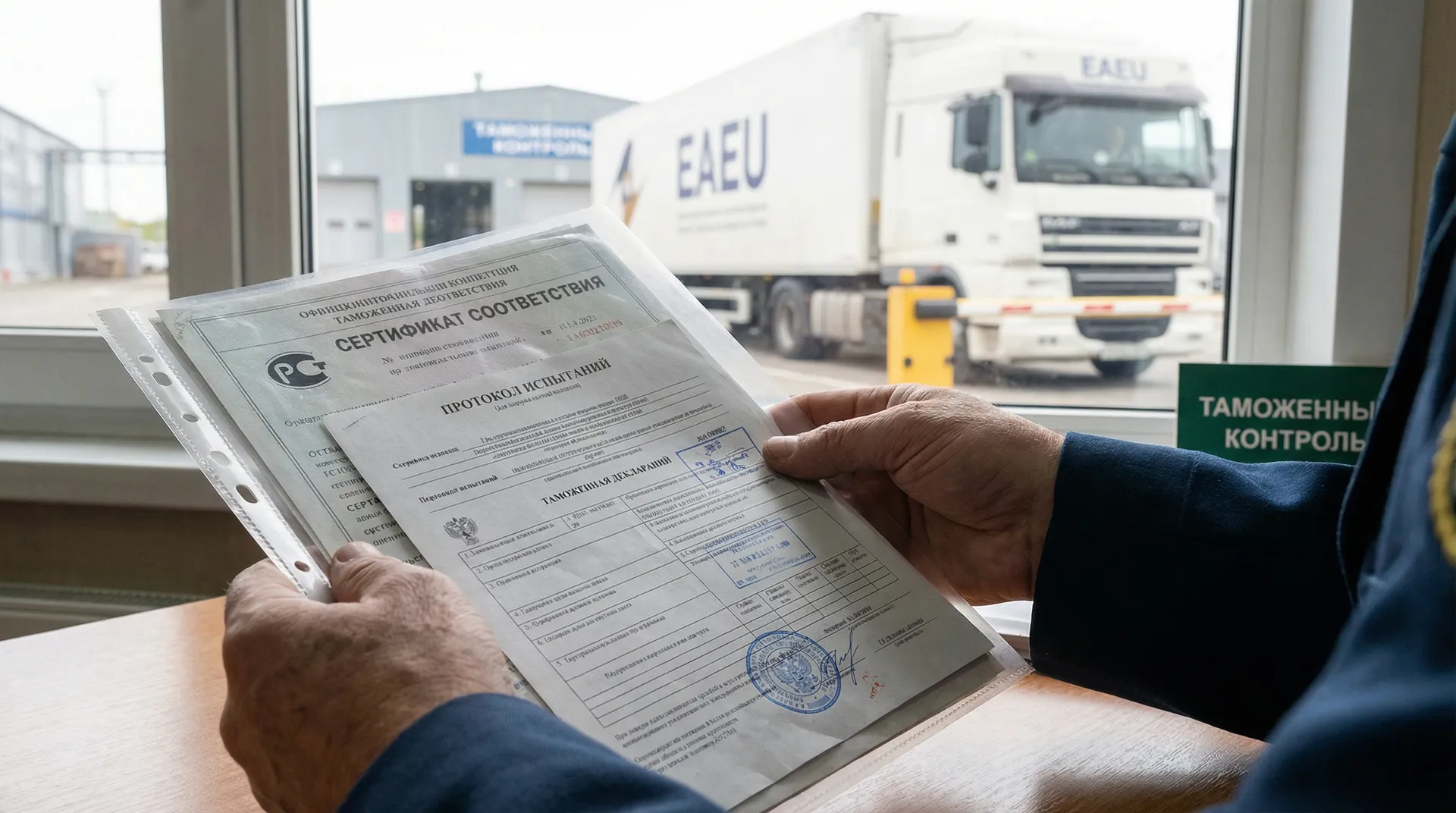
Tajikistan has officially recognized Russian Halal certificates of conformity. We are talking about documents that are issued by the accredited body "Roskachestvo Halal" and accepted by the Tajik regulator "Tajikstandart". For exporters, this means direct access to the market without on-site re-certification and without additional procedures to confirm the status of products.
The solution significantly simplifies the commercial preparation of the delivery. In the export project, the number of mandatory approvals is reduced, the time for goods to go to retail and catering is reduced, and transaction costs for documents are falling. For logistics, this provides more predictable planning: the cargo can be configured according to a contractual schedule, and compliance checks can be included in a standard package of export papers that accompanies the shipment at the warehouse, at the carrier and at the broker.
The key effect for foreign economic activity is related to risk management. Halal certification in the supply chain works as a trusted "quality marker" for the importer, retail chains and regulatory authorities. In practice, this increases the likelihood of accelerated entry control and reduces the proportion of returns for documented reasons. It is also important that information about issued certificates is entered into the state information system, which facilitates authentication when requesting counterparties and bank compliance.
From the point of view of the strategy of Russia's presence in the markets of Islamic products in Central Asia, recognition in Tajikistan acts as a "node of trust" for further expansion. The share of consumers in the region who rely on proven standards is growing, while businesses prefer suppliers with transparent certification. This creates practical benefits for Russian producers of meat, dairy products, confectionery, ingredients and ready meals.
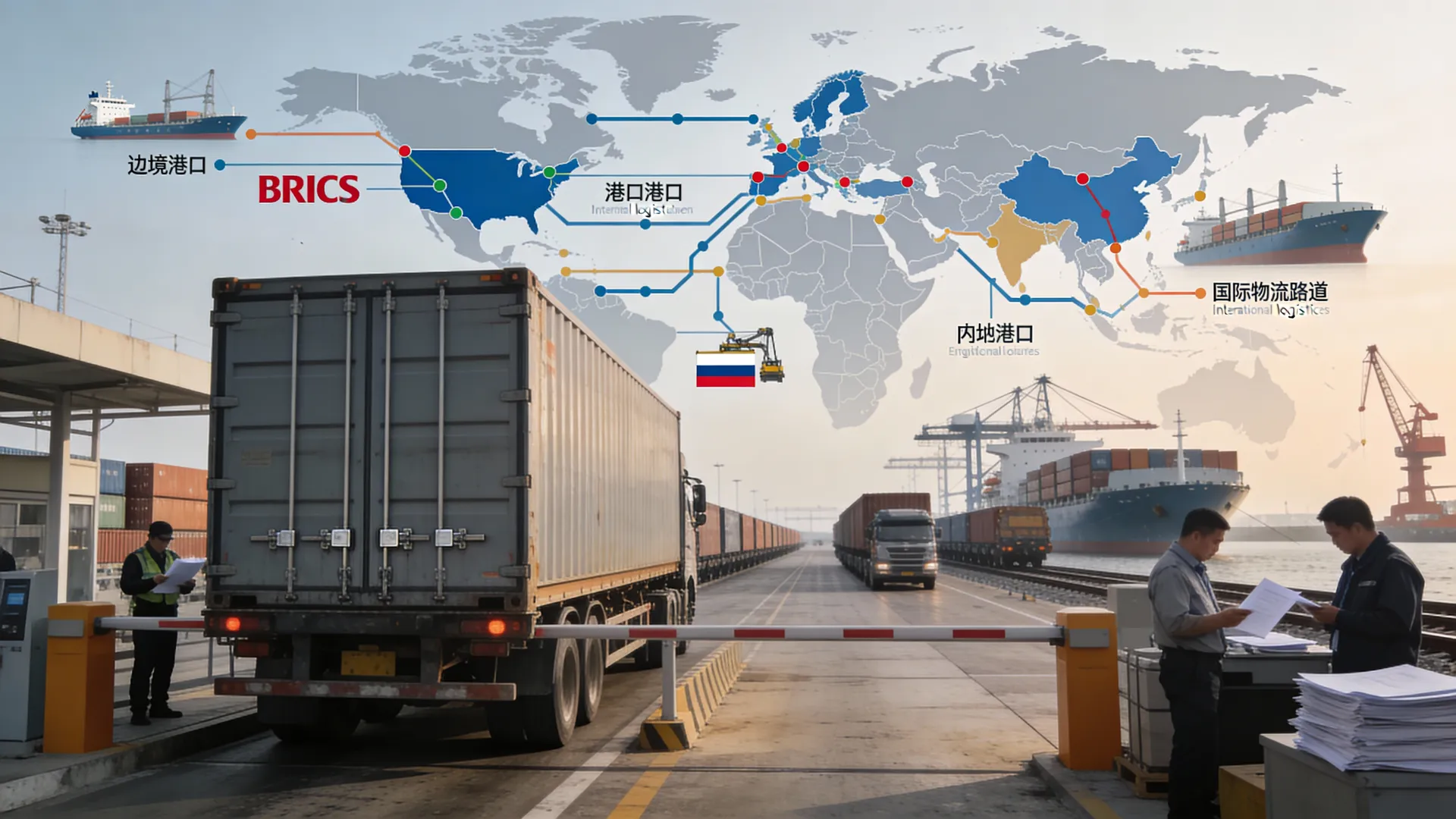
For companies operating on international routes with the participation of BRICS partners, the news provides an applied conclusion: the compliance and traceability package is becoming part of the competitive model. Halal status affects the choice of distribution channels and the packaging format, as well as the requirements for separate storage, labeling and sanitary documents on logistics shoulders. Exporters should specify in advance in the contract a list of supporting documents, the procedure for verifying the certificate and responsibility for changes in the requirements of the destination country.