The Halal Standard Committee of the Duma of Tatarstan receives accreditation, after which the producers of the republic will be able to be certified to meet the requirements of the UAE on the spot — without searching for intermediaries in third countries and without a "second round" of inspections from foreign authorities. This is an important step for foreign economic activity: in halal trade, market access is determined not only by price and logistics, but also by the recognition of the certificate by the receiving party.
The key statement of the chairman of the committee, Abbyas Shlyaposhnikov, was made publicly on the GulFood site.:
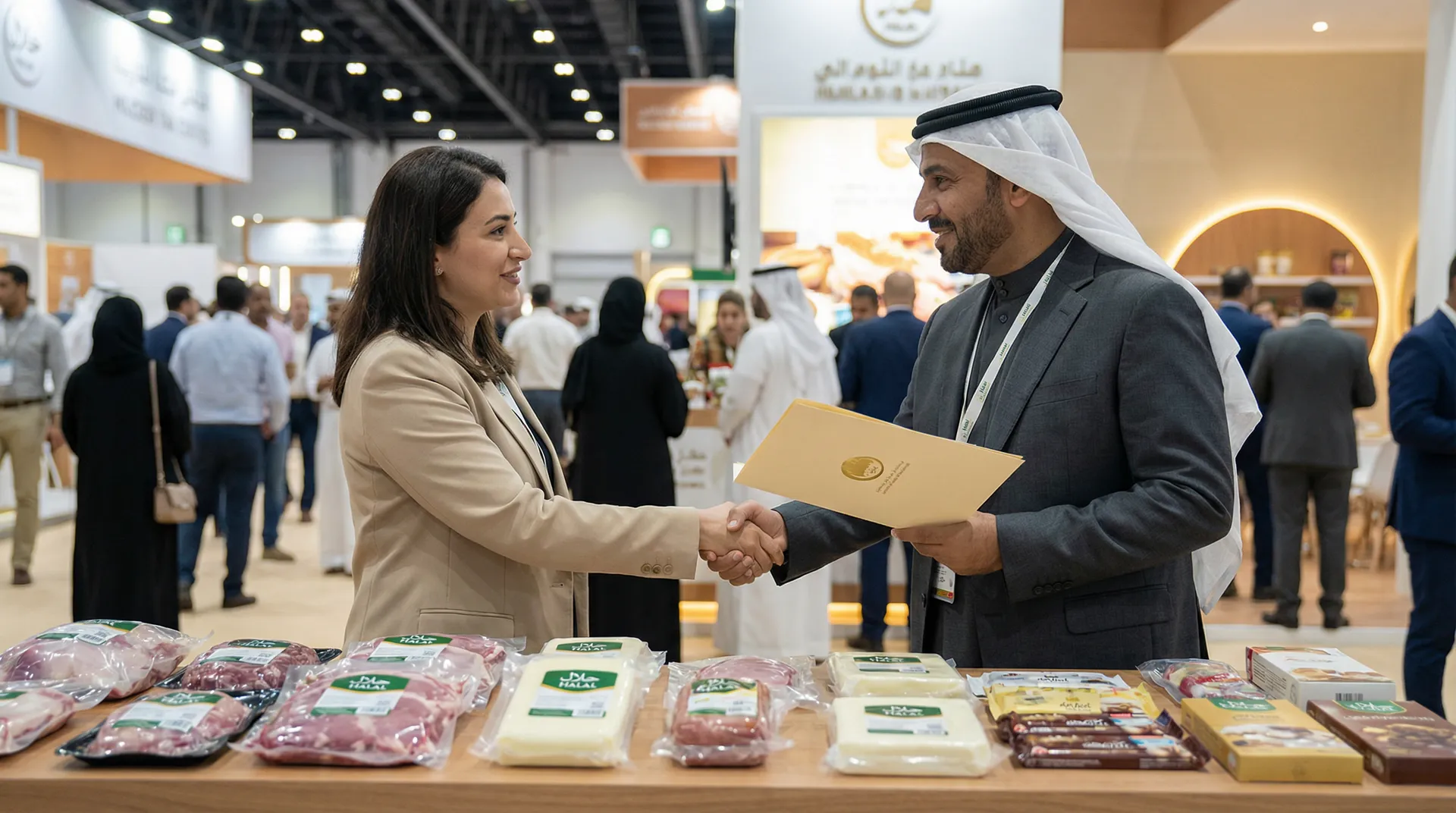
"I have received information from my colleagues from the Dubai International Accreditation Body that they will award us with accreditation tomorrow. And Tatarstan manufacturers will be able to contact the Halal Standard Committee of the Spiritual Board of Muslims of the Republic of Tatarstan with their products and, having passed certification, enter the market of the United Arab Emirates, in Dubai," Shlyaposhnikov said during a live broadcast of the Investment Development Agency of the Republic of Tatarstan from the republic's booth at the GulFood World Economic Summit.
Why is the UAE not just “another country”, but an export accelerator
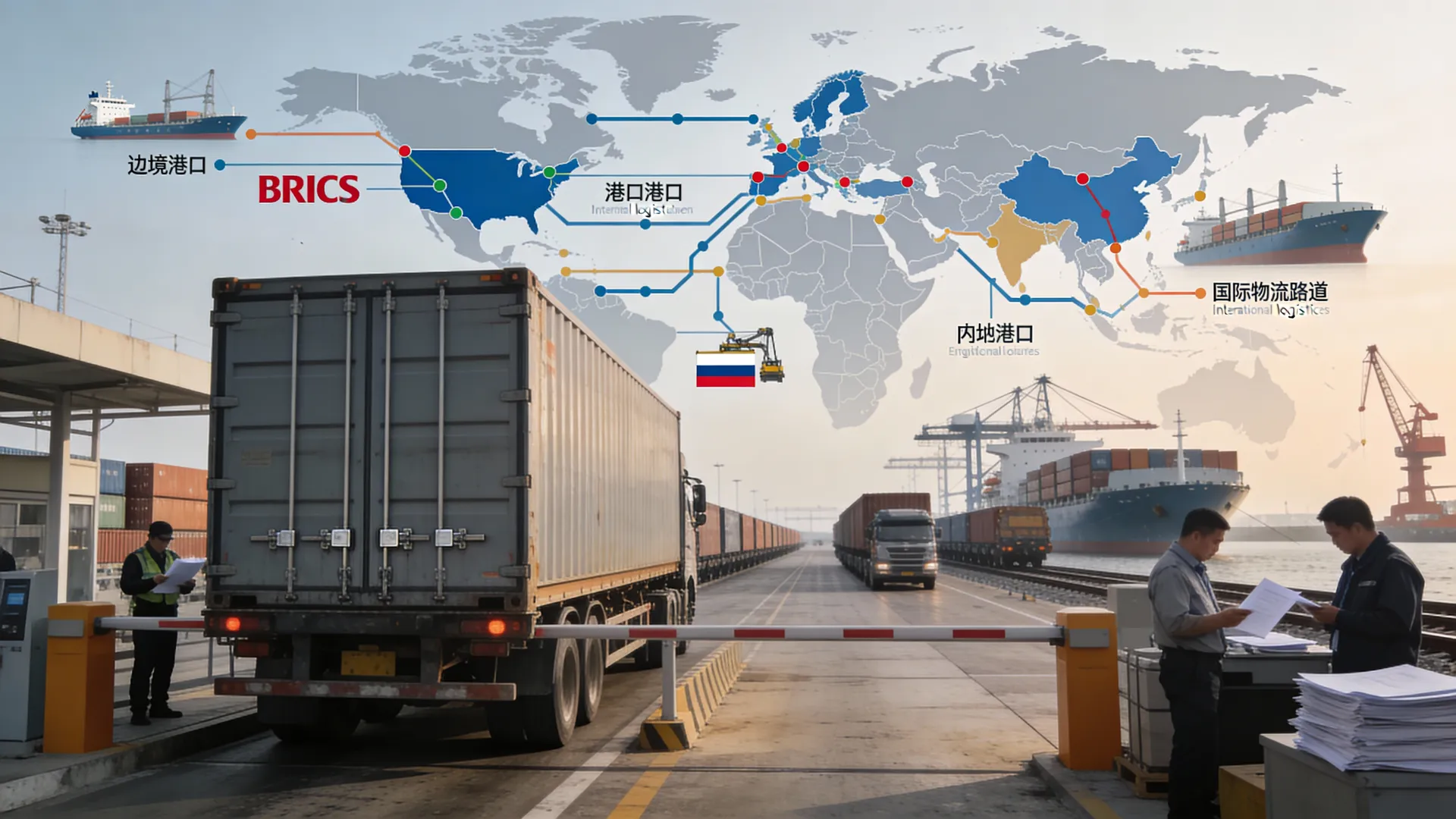
The UAE operates as a regional hub: some of the supplies are consumed domestically, but a significant amount goes further through re-export across the Persian Gulf and to North Africa. For producers from Tatarstan, this means a "one-stop shop" effect: the certification recognized in the UAE simplifies negotiations with distributors, reduces the number of controversial compliance stops, and accelerates contracting at GulFood-level exhibitions.
It is also important that the Emirates will become the 18th country where the committee's certificates are valid - this is a sign of a well—established trust model and regular audit procedures on the part of foreign partners.
How does “international accreditation” work in practice?
Shlyaposhnikov directly described the mechanics of recognition — and this is the main practical signal to the market: the requirements are not universal, for each country you need to get into their standard and confirm the competence with an audit.
"Today, when we visit a country in terms of accreditation, we study their standards and requirements and apply for it. An audit team comes from there, checks us and issues an accreditation. For example, this was the case with Malaysia and the Persian Gulf countries: Saudi Arabia, Bahrain, Jordan, Qatar, Kuwait, and Yemen. In addition, there are intergovernmental agreements that give us the opportunity, by signing a document, to assert that we mutually recognize each other's certificates and competencies," said Shlyaposhnikov.
Economics of the issue: there is already export growth, now the “purity” of certification is important
According to the republican structures, the export of halal products from Tatarstan in 2025 reached $45 million, which is several times higher than in previous periods; dozens of manufacturers were involved in deliveries.
Against this background, entry into the UAE is a logical reinforcement: the higher the volume, the more important standardization and protection against "gray" certificates are. It is no coincidence that the All—Russian Halal Industry Association was established in Kazan - a response to the problem of the growing number of authorities that issue documents without proper verification.
What does this mean for manufacturers and logistics
- Shorter time to market: fewer stages of approval with foreign certification authorities.
- The compliance chain is clearer: audit and documents are in one place, it is easier to prepare production and packaging.
- It is easier to scale supplies: when a certificate is recognized in a key hub, it is easier to collect regular shipments and plan a warehouse/cold chain for the forecast of demand.
- More responsibility for quality: recognition in the UAE increases the cost of error — any inconsistencies hit reputation and contracts faster.