The Register of Requests from Foreign Companies is a B2B application tool that is regularly updated and distributed to Russian manufacturers and exporters. The actual accuracy of specific registry items should always be checked on a point—by-point basis (through contacts, banking details, confirmation of the final buyer and the terms of the transaction), but the practice of publishing such collections is normal for the foreign economic activity market.
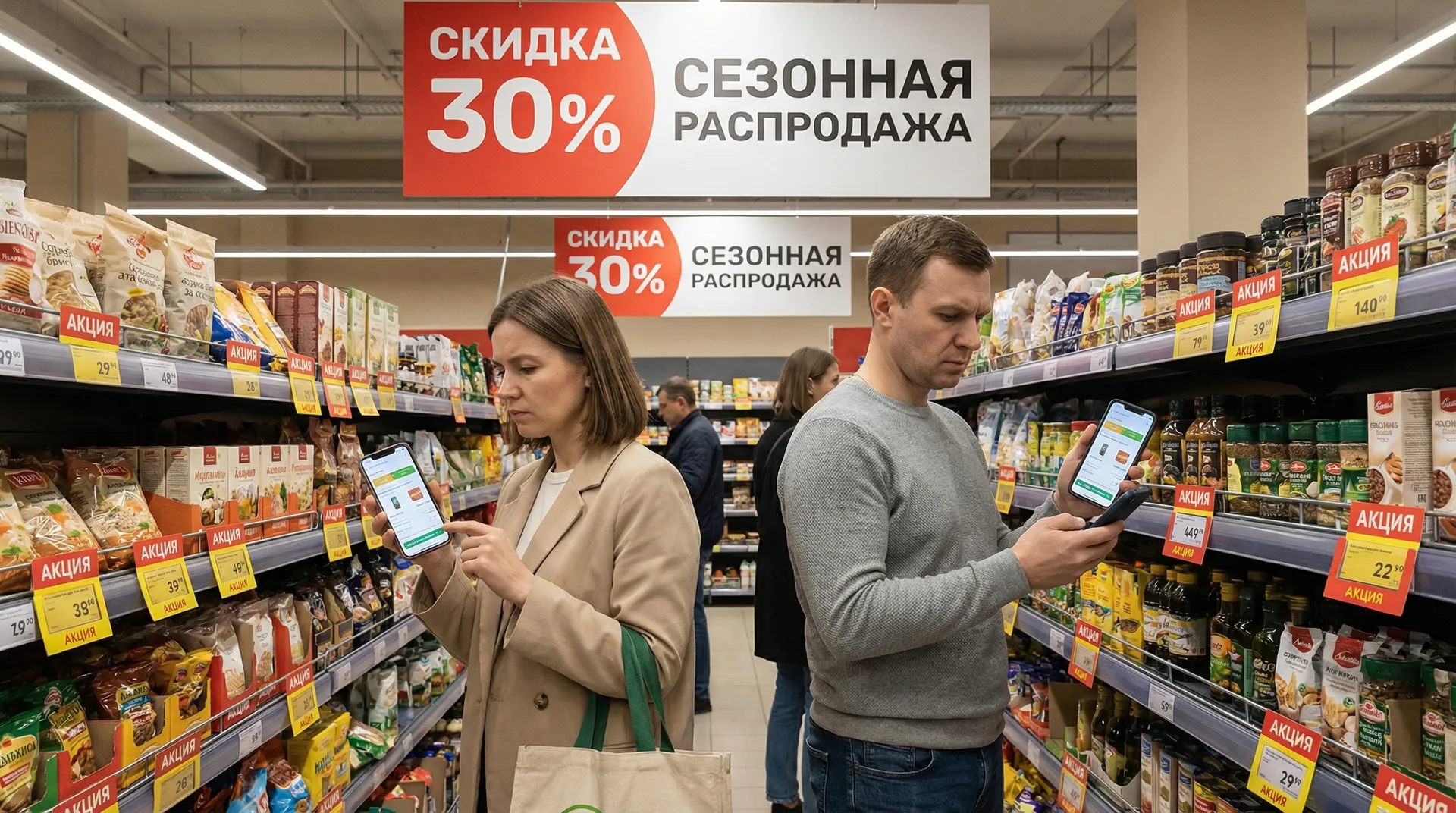
What does the release of the next registry usually mean and how is it useful? First of all, this is a signal of "lively demand". Unlike general analytical reports, where demand is predicted by macro indicators, the registry records specific needs.: who is looking for a supplier, by what nomenclature, to what extent, with what conditions of shipment and certification. For the exporter, this is a chance to shorten the way to the deal: not to spend weeks on a "cold" search, but to work from an already formulated request.
However, it is important to understand that the registry is not a guarantee of a contract, but an entrance to the negotiation funnel. Practice shows that some of the requests are "test" (checking prices and market opportunities), some are tied to tenders and internal budgets, and some require the preparation of documentation (certificates, composition, origin, packaging, labeling, storage and logistics requirements).
How can Russian companies get the most out of such a registry:
- Immediately link the request to the codes and specifications. If you answer "in general, we can", you will be put in the general queue. If you meet the exact SKU/GOST/TU/HS code, volume range and production time, you become a convenient supplier.
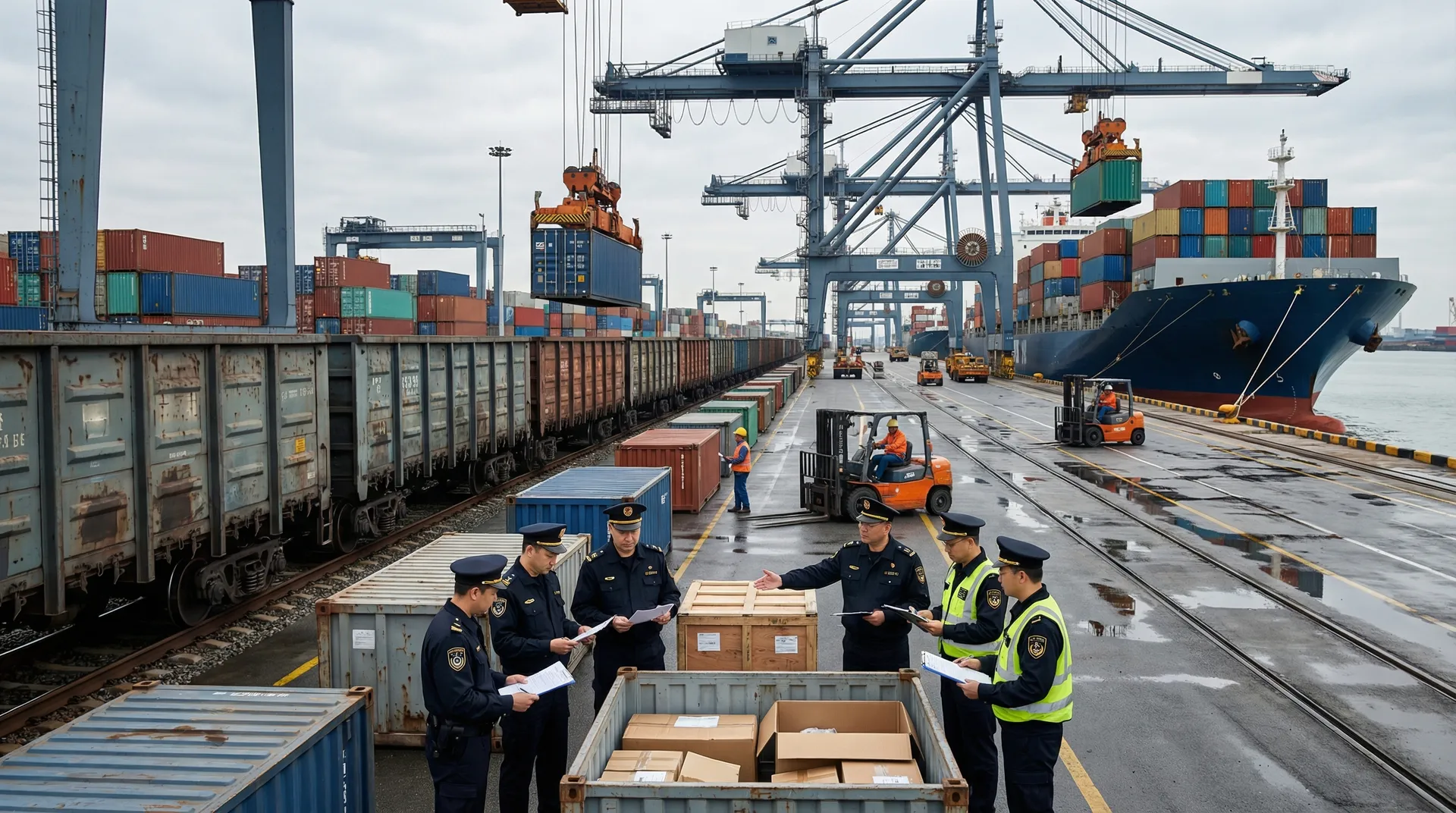
- Check the logistics and the door-to-door cost, not just the EXW price. The buyer compares the total cost and risk. Give 2-3 scenarios: FOB/CIF (for sea), FCA/CPT (for multimodal), plus transit time guidelines.
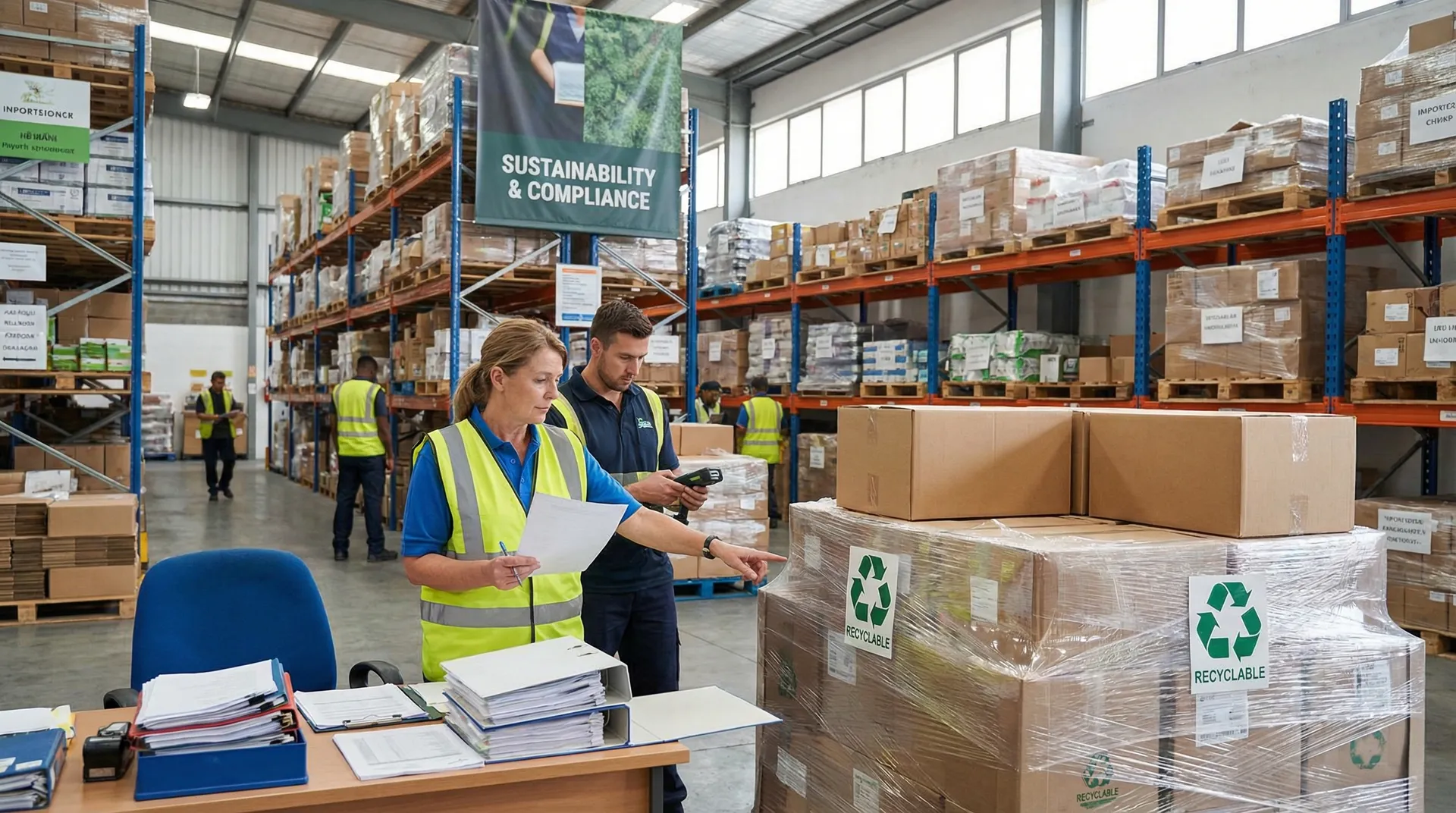
- Prepare a compliance package in advance. Declarations of conformity, sanitary documents, MSDS (for chemicals), certificates of origin, and labeling requirements are critical for different markets. The faster you close the "paper" block, the higher the chance of a deal.
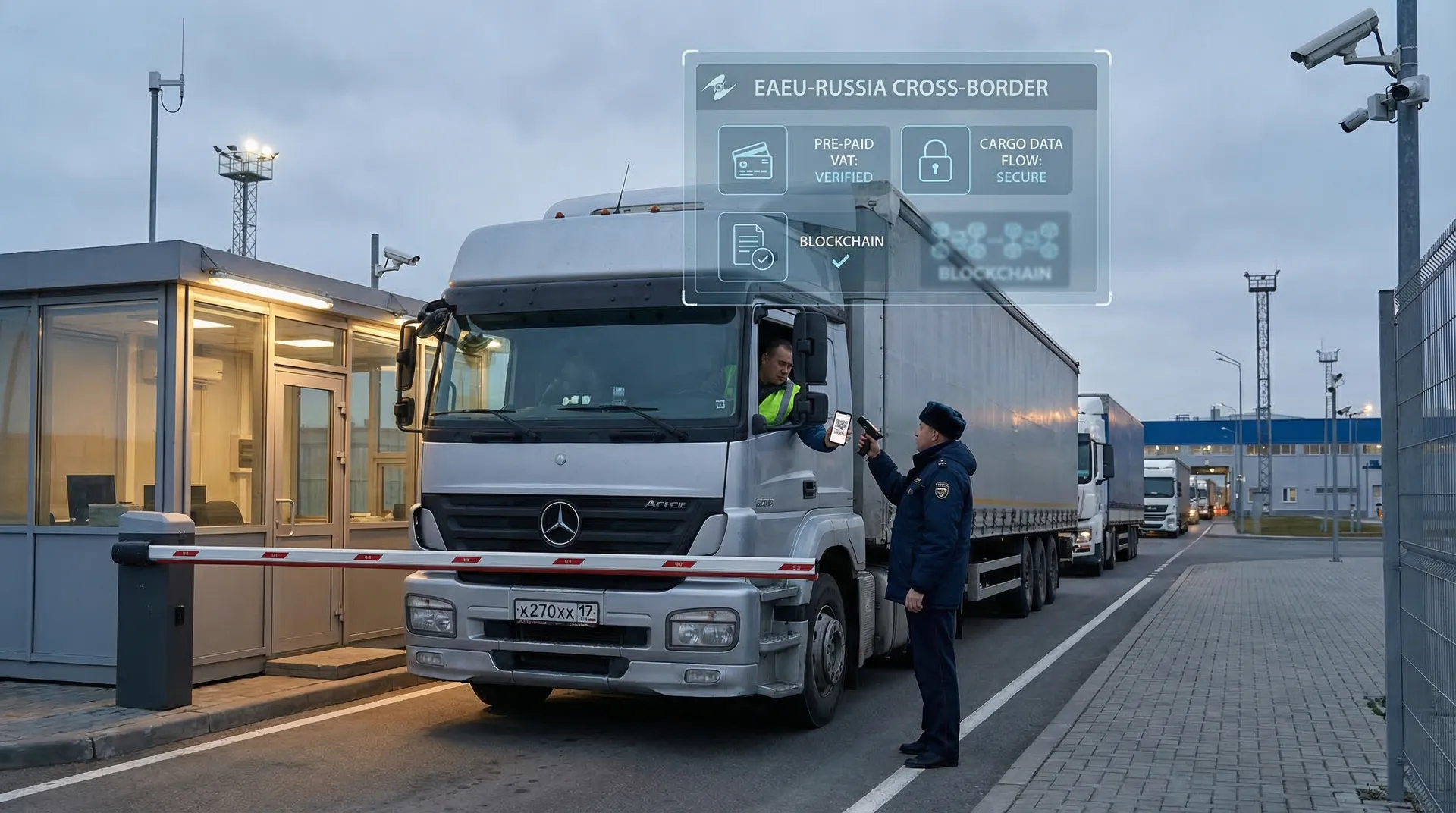
- Filter the risk of fraud. Red flags: a request to ship "urgently" without checking the counterparty, strange payment schemes, substitution of banking details, refusal of a video call and confirmation of credentials, pressure on the speed of signing. Normal practice is to request constituent documents, a bank letter, confirmation of the warehouse address and contact person, domain/mail verification and payment chain.
- Don't just think about a one-time delivery. If the demand is repeatable, suggest a framework contract, delivery schedule, insurance stock, packaging options for different sales channels. Importers value predictability, especially in 2026, when supply chains are increasingly being adjusted to the risks and cost of money.
Conclusion: the February register is a working map of possibilities, but those who turn a "request" into a commercial offer in 24-48 hours, speak the language of specifications and terms of delivery and are able to quickly confirm reliability win.