The Federal Customs Service has strengthened control: seizures are growing, the risks of foreign economic activity are higher

The control of the Federal Customs Service on foreign economic activity in 2025 has become noticeably "tougher in essence," even if the statistics look stable in form. The customs authorities have initiated more than 169 thousand administrative cases, and this is an important marker: the flow of law enforcement is not decreasing, and businesses have to live in a constant evidentiary readiness mode — in terms of cost, origin, route and payments.
The key shift is in the structure of claims. The focus is shifting to the so-called "contraband-forming" compounds (non-declaration, violations of prohibitions and restrictions, illegal movement). This is dangerous because the administrative history is increasingly becoming a precursor to more serious consequences.: as soon as a dispute over cost or classification begins to drag on a "large amount" of additional charges, the company falls into the zone of increased attention and risks of the criminal plane.
The second trend is confiscation instead of fines. The market notes that customs is more active in "turning goods into state revenue," while the total amount of fines may look more moderate. The statistics under discussion show a level of seizures of about 8.2 billion rubles against 6 billion a year earlier, while reducing the amount of fines. This is changing the behavior of foreign trade participants: if previously many argued "about money," now the product itself and the continuity of the supply chain are increasingly at stake.
What does this mean for importers in practice?:
- The customs value becomes the "entry point" for comprehensive checks. Not only freight/insurance/agency fees are targeted, but also payments that are easily linked to the transaction through documents and intra-group relationships (licenses, royalties, services).
- Any "creative savings" in cost dramatically increases the cost of an error: a dispute turns into a risk of additional charges, blockages, and procedural consequences, including arrest/seizure and prolonged downtime.
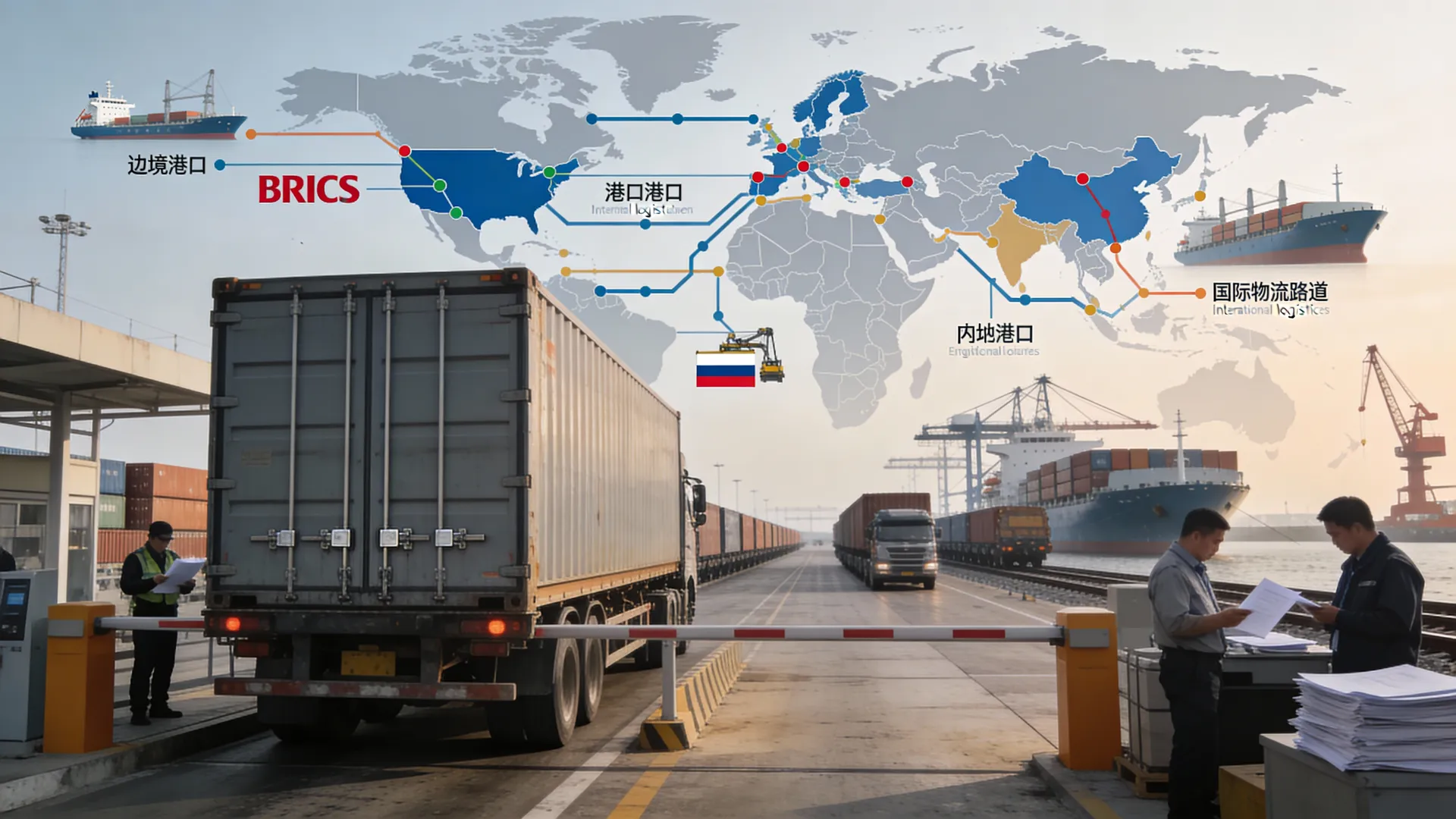
- Complex routes (transit shoulders, repackaging, change of ownership in a third country, re-export structures) are becoming more transparent for risk systems: traces are visible on transport documents, payments and the digital trail of logistics.
The currency contour is being strengthened for exporters: thousands of cases of currency violations are being recorded through customs, including the application of art. 15.25 of the Administrative Code. And the main nerve here is timing and evidence of good faith: claims arise not only "because the money did not arrive," but because the business did not demonstrate active actions to recover and protect its rights.
Logisticians and 3PL are also increasingly finding themselves in the perimeter: the more intermediaries in the chain and the more complex the routing, the more important a single "folder of evidence" is — from invoices and contracts to tracking, acts, registers of payments and correspondence on deviations.