In the Union State of Russia and Belarus, a new product category is being formed – "goods of the Union State". According to Alexey Overchuk, such a status should give goods "better opportunities for turnover" in the general market and, more importantly for businesses, open the way to public procurement.
The key point of the initiative is to fix the origin and real localization through a clear criterion of added value, and then "package" it into a public sign that will work as a signal of trust for buyers and the state.
"It is very important here that the goods of the Union State will have the best opportunities for turnover in our large common market," said A. Overchuk. - Of course, we are talking about access to a government order."
"We have agreed that the goods of the Union State will be considered goods in which the Russian and Belarusian components account for 25% plus 25%," he said.
"If 50 percent or more of the added value is created in Russia and Belarus, then this is a product of the Union State," A. added. Overchuk. "At the same time, the shares are 25% plus 25%."
What is the criterion and who will be given the sign first?
The rule is simple: in order for a product to be recognized as a "commodity of the Union State", it must contain at least 25% of the Russian and at least 25% of the Belarusian added value (in the amount of 50%+).
It is emphasized that such products will have their own mark, which should confirm the "clear origin". At the first stage, manufacturers of machine tools, microelectronics, buses and trucks will be able to receive it — that is, segments where cooperation and import substitution along component chains are critical.
What does this change for foreign economic activity and supply chains
- Public procurement as a new demand driver. If access to government orders is really "tied" to the new status, companies will receive a direct incentive to rebuild cooperation and deepen localization in the Russian Federation–Belarus pair. For suppliers, this means that the struggle will go not only for the price, but also for the structure of origin/added value.
- The origin will become a commercial asset. Foreign trade has long been governed by the rules of origin (preferences, duties, sanctions restrictions). Now the logic comes to domestic demand: a provable origin turns into a pass to a large customer.
- The role of management accounting and the “evidence base" will grow. To confirm 25%+25%, companies will need a transparent calculation of added value: materials, components, labor, services, contract assembly. This pushes the business towards stricter document management with counterparties and towards supply chain discipline.
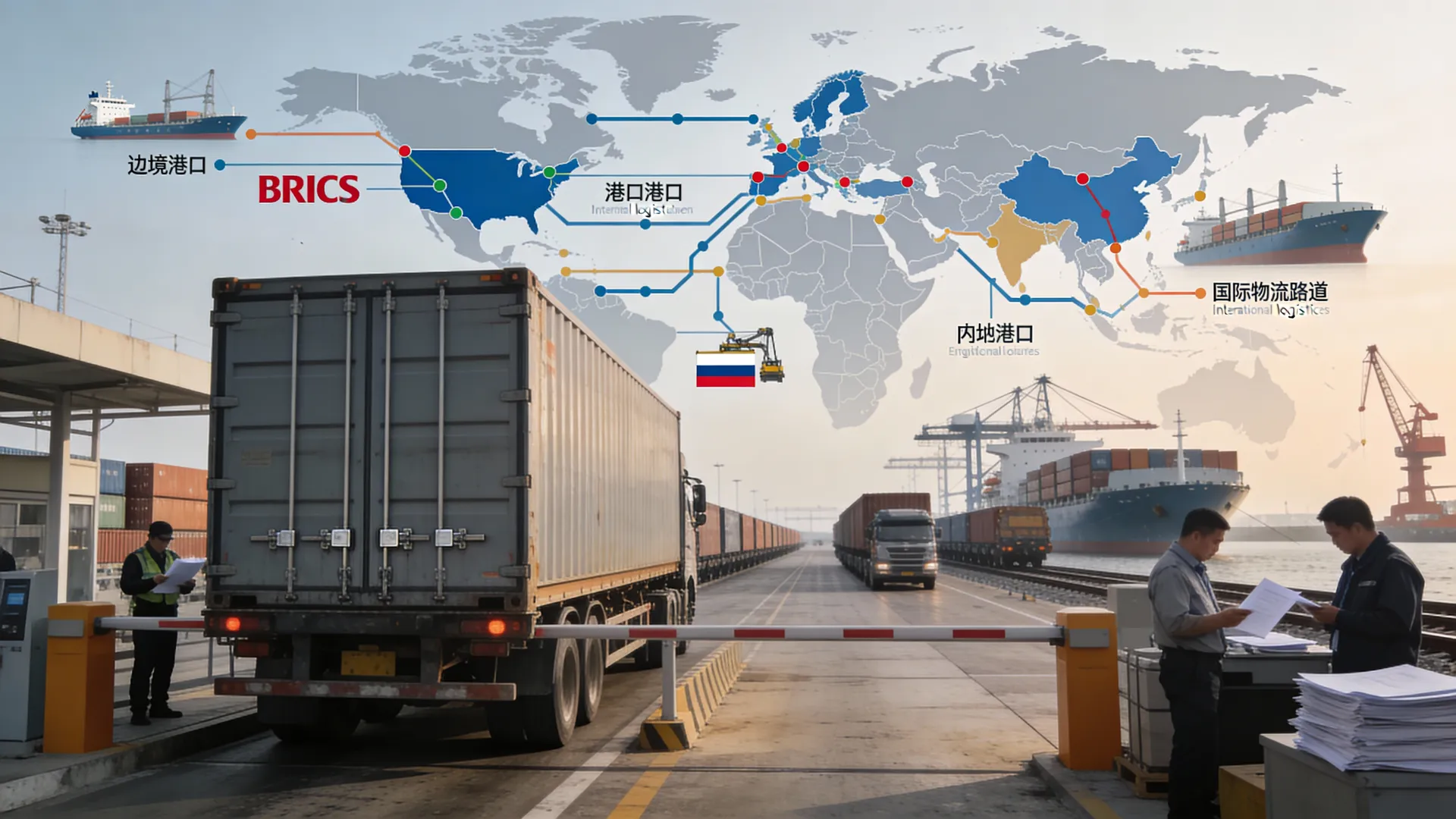
- Logistics and cooperation will receive an "axial" route. For the same buses/trucks and microelectronics, it is the speed of component exchange and the predictability of supplies between Russia and Belarus that decides. The more contracts that are tied to the status of "goods of the Union State", the stronger the demand for regular transportation, warehouse consolidation and traceability services will be.
The main conclusion is that the initiative looks like an attempt to institutionalize cooperation and integrate it into the public inquiry system — that is, to turn origin into an economic lever, rather than a formality.