The Ministry of Finance is preparing VAT on imports through marketplaces: they want to close the "commerce under the guise of parcels" scheme

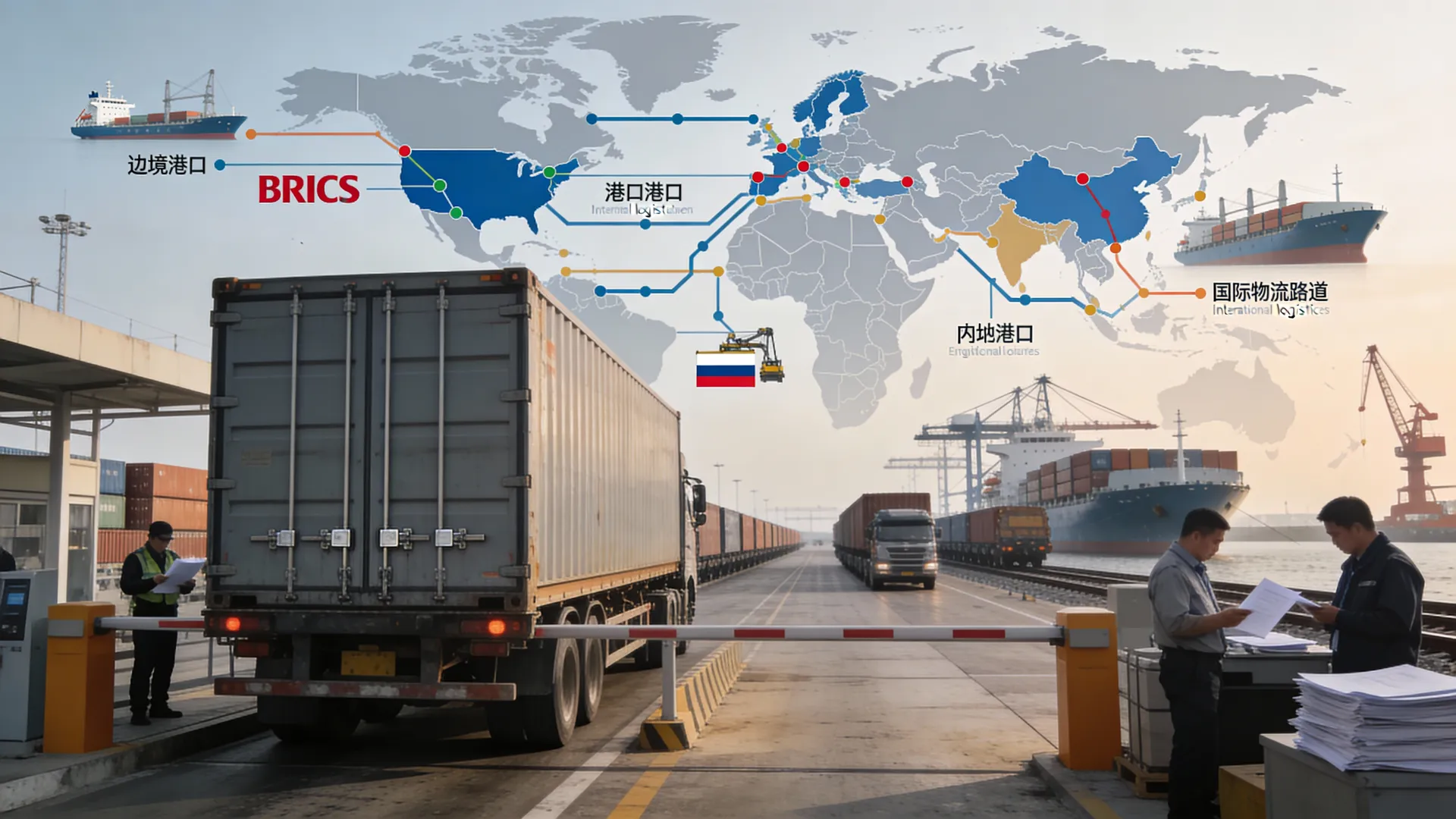
The Ministry of Finance is considering the idea of extending VAT to imports of large quantities of non-food products that enter Russia through the infrastructure of marketplaces through the cross-border e-commerce channel. The logic is simple: Today, some of the shipments are registered as "purchases by individuals", which means they are not treated as a commercial shipment, and because of this, there is a bias in the tax burden between the "classic" importer and the gray schemes.
The key motive is to equalize competition and "cut off" models where an industrial volume is actually collected from a multitude of small orders.
"They are starting to compete even with the channel of fair cross-border trade, because due to the fact that they produce commercial shipments, they can reduce the costs of their production, logistics and be more competitive than just selling from individual to individual. The shoe industry is one example. Clothing, cosmetics, perfumes, household chemicals. It probably makes sense to consider introducing some kind of payment. Most likely, it should be VAT," he explained.
Why has the topic "taken off" right now?
The platform trading market is already comparable in volume to the largest retail channels, and the government consistently "stretches" the rules for it: from controlling the turnover of certain categories through state financial systems to tax mechanisms for the cross—border segment. It is significant that back in 2025, scenarios were discussed in which marketplaces could receive the role of tax agents and automatically transfer payments for transactions, and measures were linked to goods that are identified through a labeling system.
A separate parallel is the earlier elaboration of VAT for foreign goods purchased by individuals through online platforms, with a phased increase in rates in 2027-2030 and linked to changes at the EAEU level. This shows that the regulator is moving towards a model where the "cross—border" is no longer a zone of tax advantage - the only question is the specific design and timing.
What does this mean for business, logistics and foreign economic activity
- Pricing and margin. If VAT starts to be applied to those flows that used to be "cheaper", part of the assortment will rise in price or go into more transparent import regimes.
- Customs qualification. The main dispute will not be about the bid, but about the criteria: where the "purchase of an individual" ends and commercial import begins (aggregation of orders, frequency, uniformity, recipients, routes, the role of the site).
- Restructuring of supply chains. Schemes designed for container shipments "in gray" will lose their meaning — the demand for normal contract imports, correct documents, labeling and predictable logistics of "port/railway warehouse — fulfillment" will increase.
Bottom line: if the idea is framed in a regulatory framework, the market will receive not a "new tax for the sake of tax", but an attempt to close the arbitration between import regimes — and this can significantly change the economy of categories where the share of imports is high and competition is based on price.