From September 1, 2026, a technological fee for electronic products will begin to operate in Russia, which will apply to both imported goods and products manufactured domestically. This follows from the provisions of the federal law signed by the President of Russia at the end of November and introducing a new mandatory payment for products with an electronic component base.
The text of the law explicitly states that the duty to pay the fee arises regardless of the origin of the products.
"The technological fee is paid in accordance with the procedure established by the Government of the Russian Federation, by the payer of the technological fee for each unit of the electronic component base (each electronic module) and (or) each unit of industrial products containing the electronic component base (electronic modules), which are imported into the Russian Federation by the payer of the technological fee or produced on the territory of the Russian Federation", — the document says.
The amount of the technological fee will be set at fixed values and, according to the law, will not exceed 5,000 rubles per unit of production. The government will have to determine the specific rates and the charging procedure.
The Ministry of Industry and Trade explains that a new mechanism is being introduced to form a sustainable source of financing for the electronics and radio electronics industry. The proceeds from the collection are planned to be used for government support programs, including the development of production facilities, localization of components and promotion of technological sovereignty.
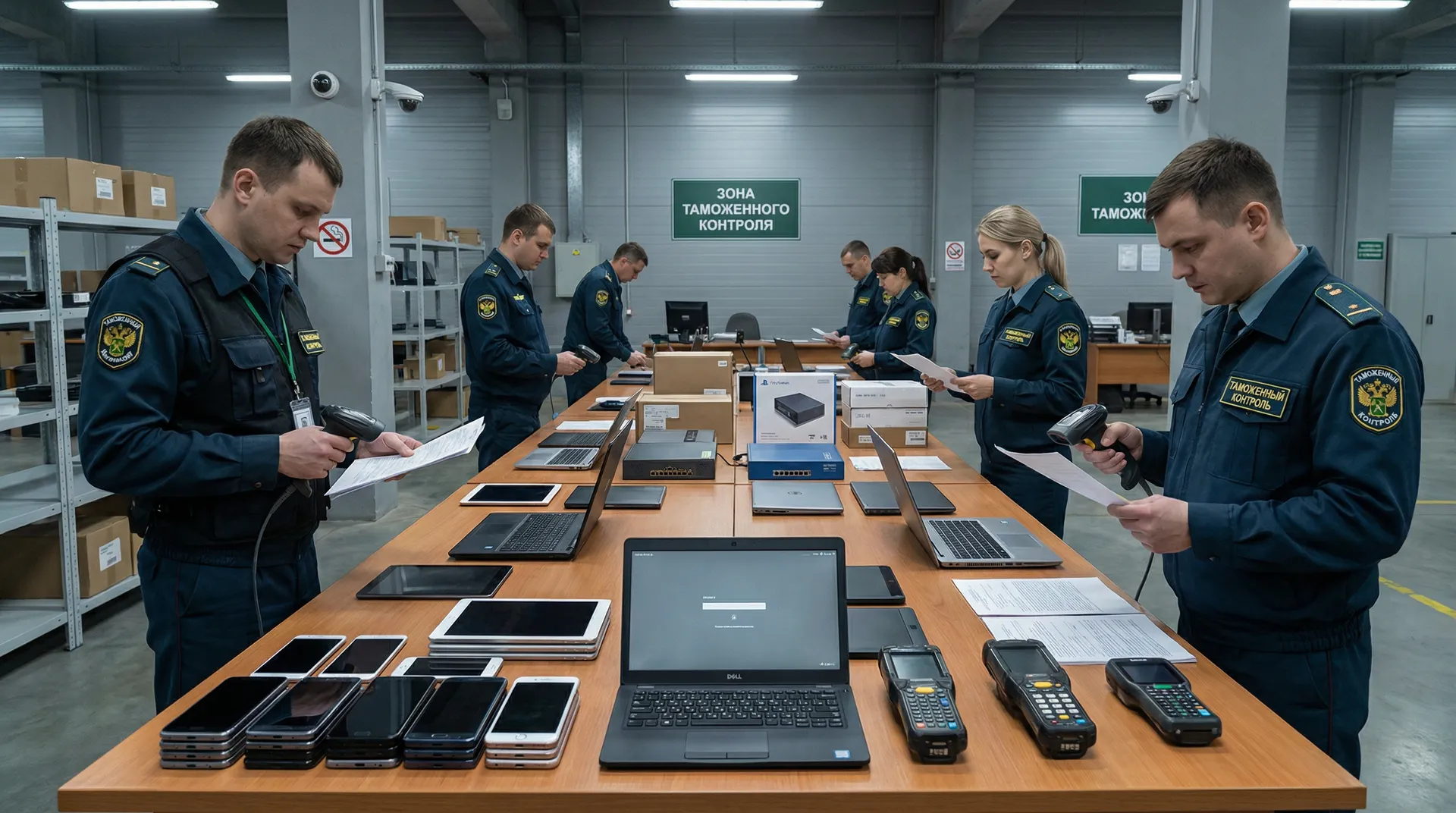
The agency emphasizes that the implementation of the collection will be phased. At the first stage, it will affect mass—market electronic products such as laptops, smartphones, lighting products and similar equipment. This will allow us to test the mechanism and start accumulating funds without sudden pressure on the market.
At the second stage, the collection is planned to be extended to electronic components and modules that are used in the manufacture of equipment. The Ministry of Industry and Trade notes that this step is of strategic importance, as it should stimulate deep localization of production within the country.
At the same time, the authorities recognize the risks of double taxation. Prior to the extension of the fee to the component base, consultations with businesses and testing of the mechanism are planned in order to avoid duplicate payments and excessive burden on manufacturers and importers.
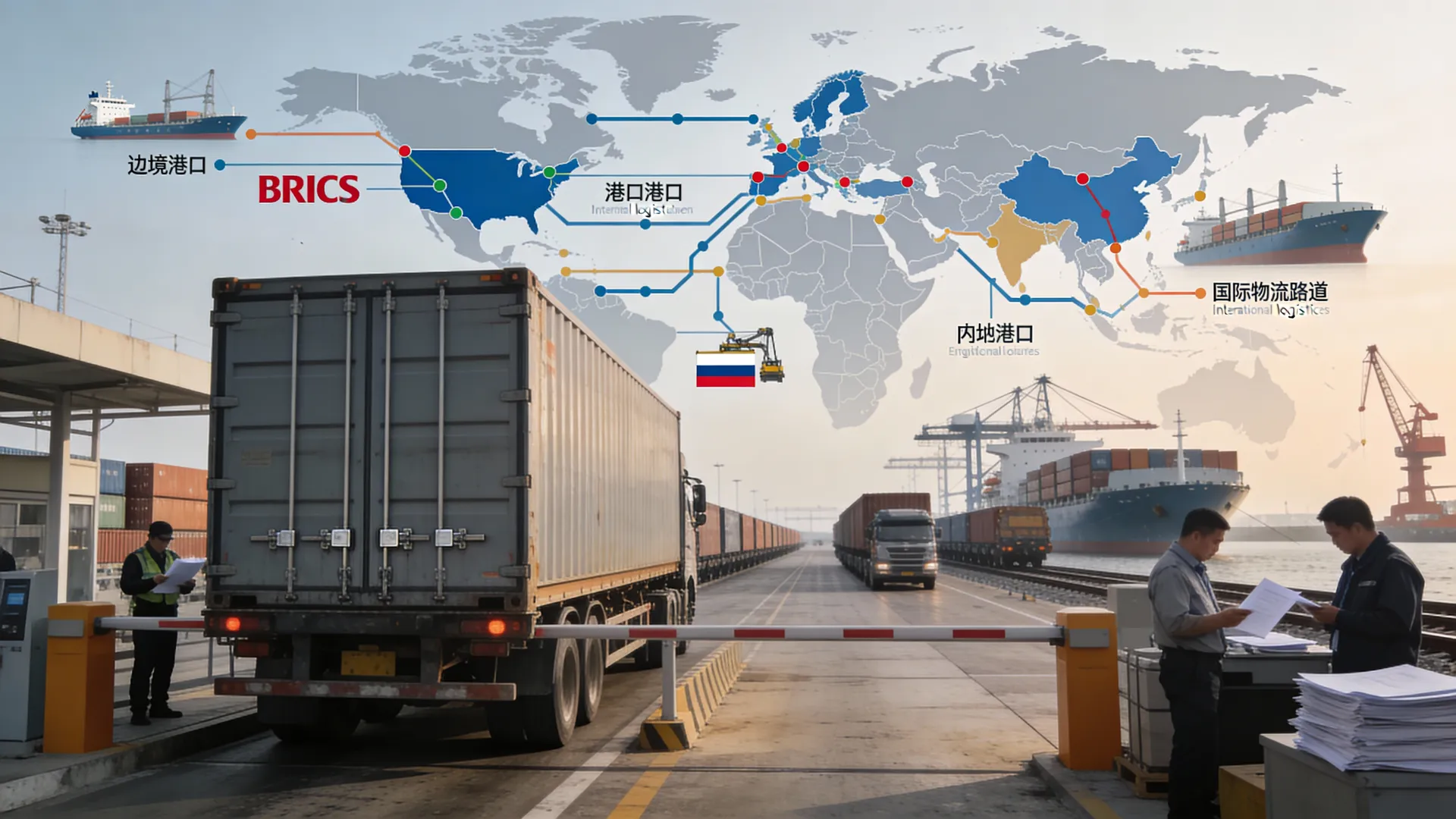
For participants in foreign economic activity, the introduction of a technological fee means the need to review pricing models, contracts, and logistics schemes. Imported electronics may become more expensive, especially in the segment of complex devices with a large number of electronic modules. At the same time, the collection becomes an additional tool for protecting the domestic market and equalizing the conditions of competition between domestic and foreign producers.