An honest sign for toys and cement: how a business is going through a new stage of mandatory labeling

For businesses, especially medium and small, the new requirements pose serious challenges and operational costs. The most difficult task is labeling the so—called "large leftovers" - goods that are already on store shelves and, most problematic, in marketplace warehouses. Although a transitional period has been set aside for this procedure until September 1, 2026, the key rule states: until the application of the "Fair Sign" code, any operations with such balances, including their movement and sale, are impossible. This forces companies to organize large-scale and expensive logistics operations to return goods from third-party warehouses for labeling and subsequent return to sale.
In the children's goods sector, a wide range of products for children under 14 are subject to labeling: from dolls and cars to intellectual games and children's vehicles such as scooters and pedal cars. According to industry associations and analysts at the Higher School of Economics, the share of illegal trafficking in this market ranges from 10% to 32%, and the introduction of traceability is seen as a key tool for clearing the market of counterfeit goods and products of questionable quality.
The construction industry is facing an even tougher schedule. For cement, dry building mixes and gypsum, the ban on turnover without codes has been in effect since October 1, 2025. This category of goods has its own specifics: heavy bags in conditions of high dust content create additional difficulties for reading Data Matrix codes at the stages of acceptance and sale. The industry expects technical solutions from the system operator, for example, the introduction of aggregated codes that will simplify the process and avoid cost increases.
Despite the fact that the start of labeling was postponed from the originally planned March to September, many market participants still consider the timing to be excessively tight. Major players such as Inventive Retail Group, which have experience in labeling clothes and shoes, are generally ready for changes, focusing on staff training. At the same time, small manufacturers and distributors fear that the high costs and organizational complexity of the process may lead to their withdrawal from the market or the sale of the business to large network companies.
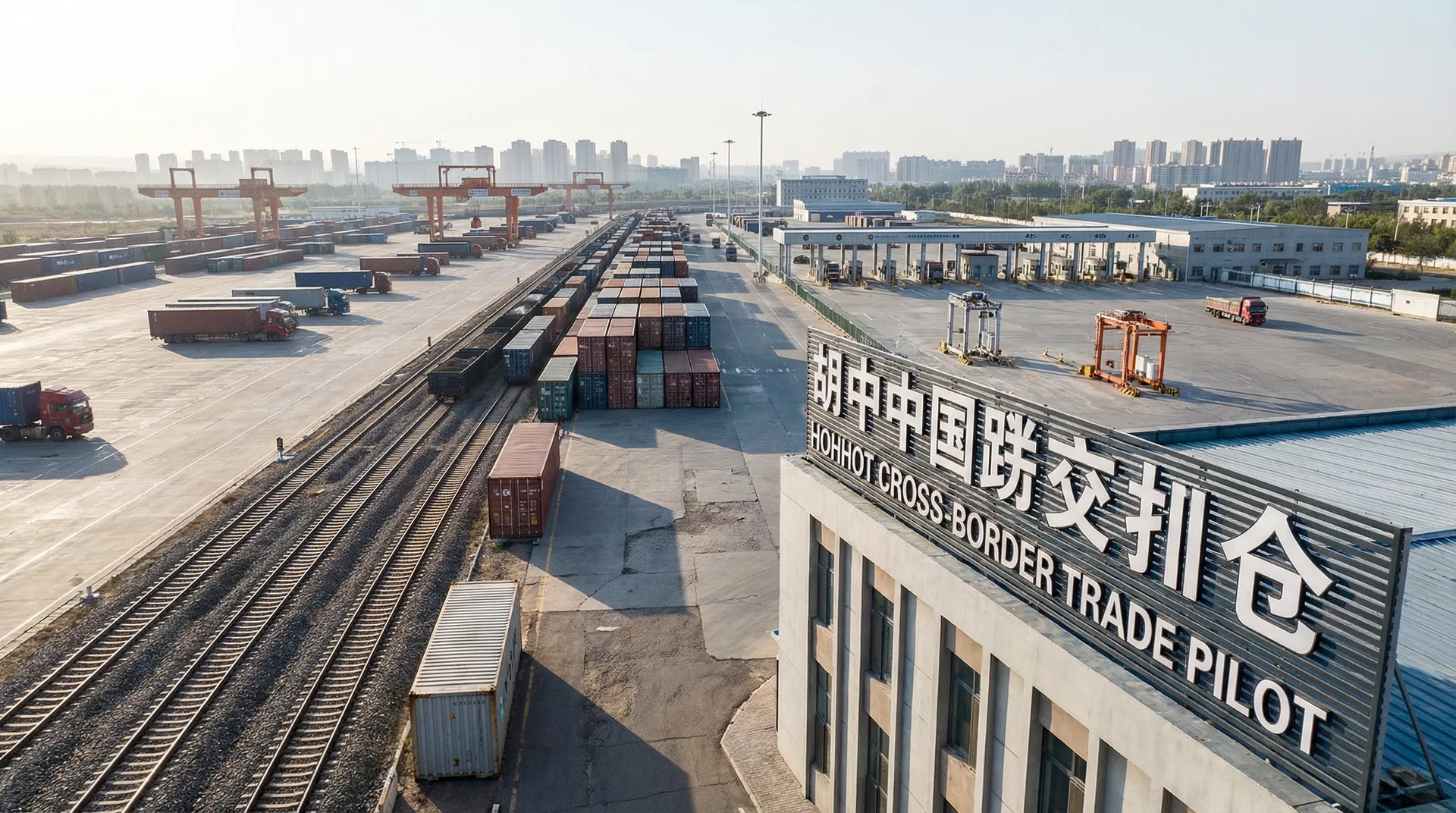
The operators of the customs and logistics infrastructure also prepared for the increased workload in advance. Ahead of the expansion of labeling for imported goods (clothing in 2024, cosmetics and toys in 2025), logistics companies have been increasing storage capacity and refining processes to avoid queues and delays at customs warehouses. This allows importers to choose flexible strategies, labeling goods directly in foreign factories or already in Russia.
Thus, the new stage of labeling is becoming a serious test of strength for the entire supply chain — from the manufacturer to the end seller, but in the long run it is aimed at creating a more transparent and civilized market.