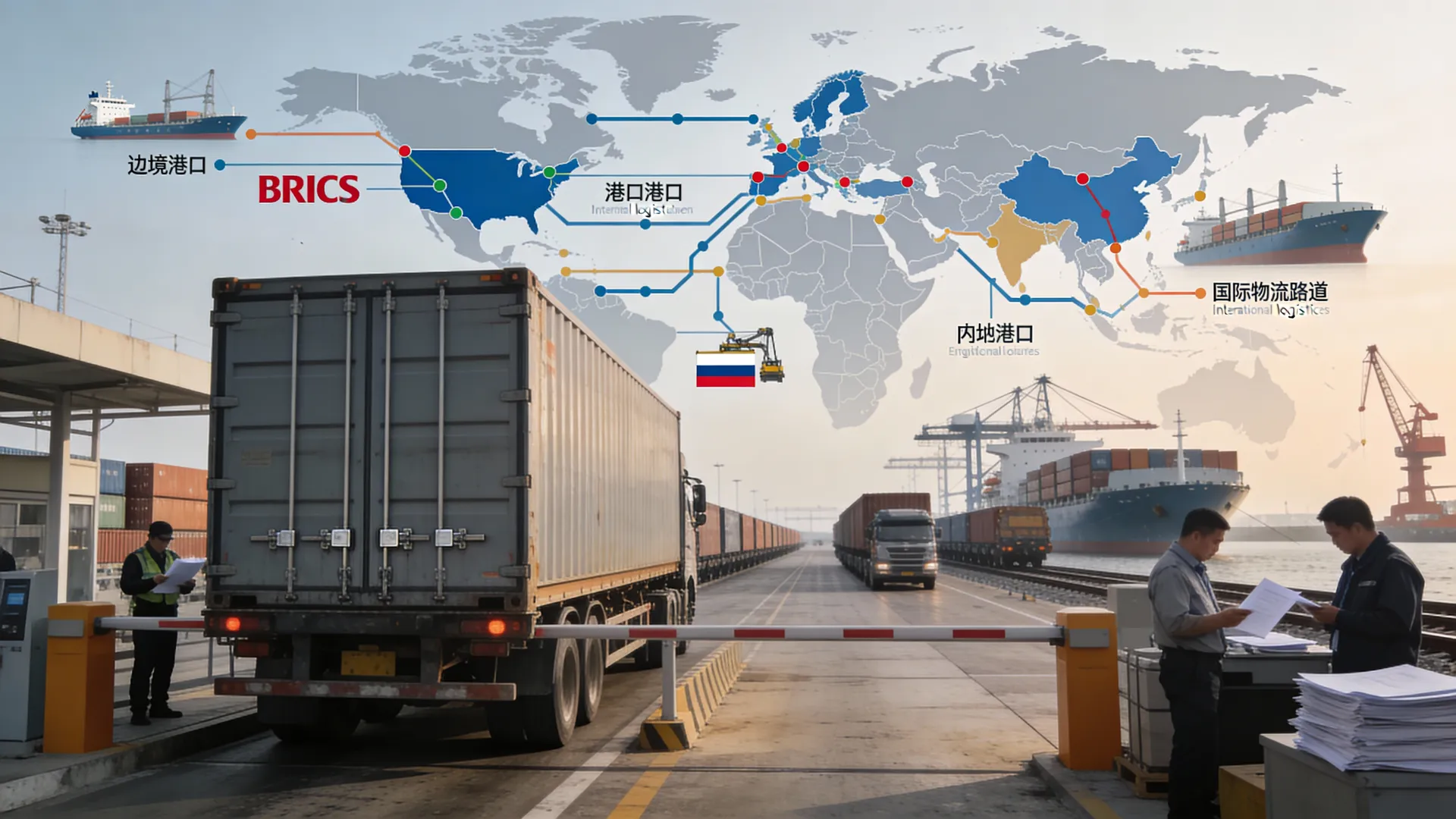
The BRICS Intergovernmental Association, conceived as an alternative center of economic influence, continues to strengthen its position on the world stage. In 2025, the alliance, which united the ten most powerful economies of the Global South, confirmed its strategic course towards creating a multipolar world and reducing dependence on traditional Western financial institutions.
The organization's seventeenth summit was held in early July in Rio de Janeiro, Brazil. This was the second meeting in a new, expanded format, after Egypt, Ethiopia, Iran, the United Arab Emirates and Saudi Arabia joined the original "five" founders (Brazil, Russia, India, China, South Africa) in 2024. Despite such rapid growth, the forum participants made a well-considered decision to temporarily suspend further expansion, focusing on consolidating internal processes and building effective interaction between current members.
The key topic of discussions in Rio was the strengthening of the association's own financial architecture. The summit participants confirmed their firm intention to increase the volume of mutual trade in national currencies, minimizing the risks associated with the use of the US dollar. The New Development Bank (NDB), which has been delegated additional powers to finance infrastructure and sustainable projects within the commonwealth, has a special role to play in this process. Although the issue of creating a single settlement currency remains hypothetical and is not on the immediate agenda, work in this direction is underway through the development of independent payment mechanisms.
In addition to economics, the leaders of the "ten" have paid serious attention to issues of international security and coordination in global institutions such as the UN and the WTO. The final declaration of the summit called for the reform of these organizations to better reflect the realities of the modern multipolar world. Support was expressed for Palestine's full membership in the United Nations and the need for a peaceful settlement of conflicts in the Middle East and Africa was emphasized.
Humanitarian cooperation became a separate item on the agenda: the development of joint educational programs, scientific exchanges, as well as projects in the field of "green" energy and digitalization.
Washington's reaction to the strengthening of the BRICS was predictably negative. The US administration regarded the actions of the alliance as an attempt to undermine the global dominance of the dollar and promised new restrictive measures in case of further escalation. However, representatives of the participating countries, in particular the presidents of Russia and Brazil, countered these statements, explaining that it was not about confrontation, but about finding stable and fair alternatives in an environment where the existing system uses financial instruments as a means of political pressure.
Since January 2025, the presidency of the association has passed from Russia to Brazil. The next meeting of the leaders is scheduled for 2026 and will be held in India.