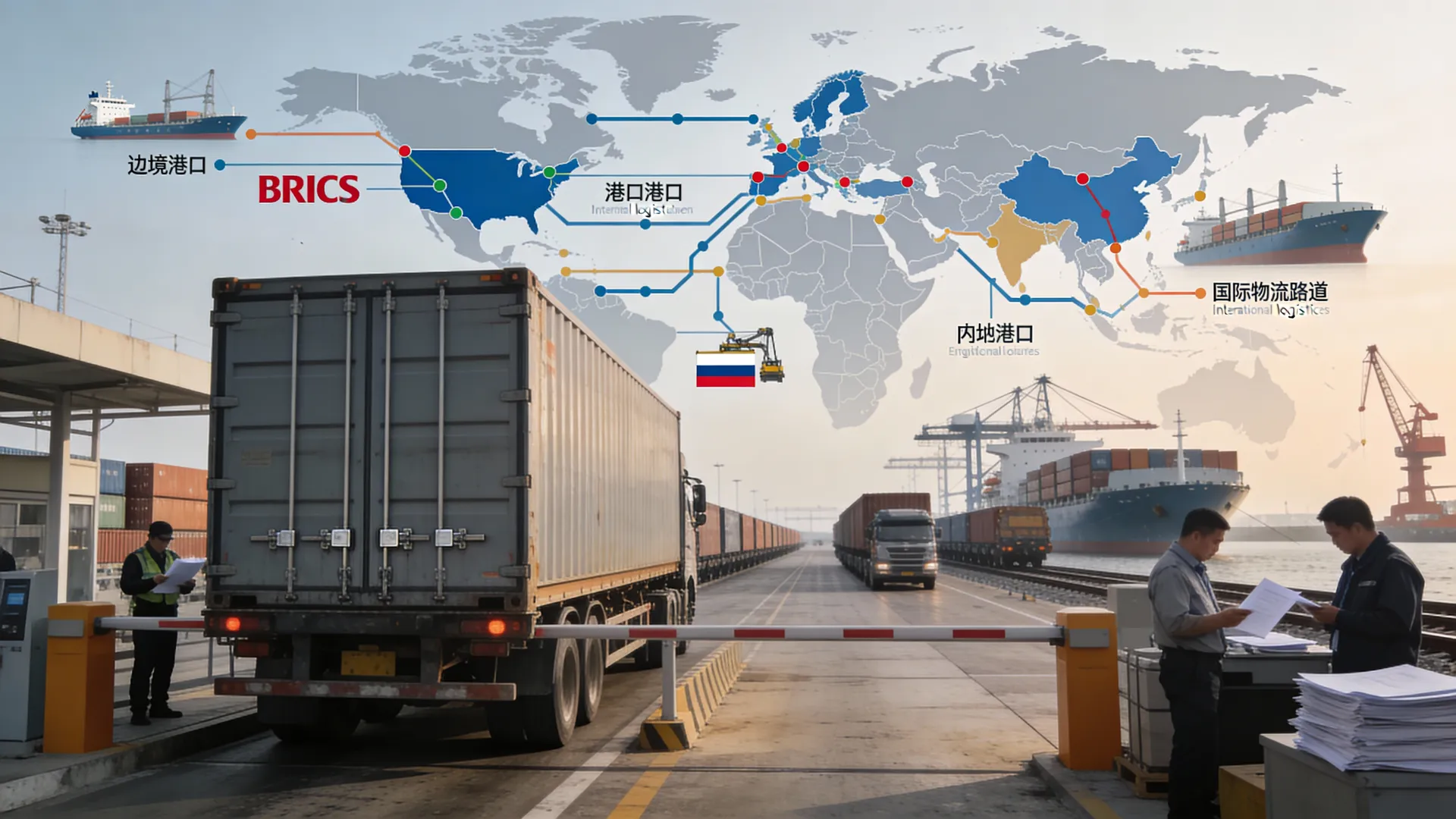
The BRICS countries' domestic trade has reached a record high — the volume of mutual supplies has exceeded 1 trillion US dollars. This figure has become a key indicator that the association is strengthening its position in the global economy and is gradually forming an alternative architecture for international trade.
Kirill Dmitriev, head of the Russian Direct Investment Fund, spoke about the growth of cooperation, noting that such a high indicator is "a significant milestone confirming the strengthening of economic ties and the growing role of the association." According to him, the expansion of trade flows within the BRICS speaks not only about increasing the stability of the economies of the participating countries, but also about shifting the global center of gravity away from traditional Western markets.
Russian President Vladimir Putin also stressed the importance of this achievement. He recalled that at the beginning of the 21st century, the share of the BRICS countries in the global economy was only about 20%, while today it reaches 40%. This reflects the accelerated economic growth of the members of the association, their industrial and technological development, as well as the active transition to national currencies in international settlements.
Experts note that the increase in trade within the BRICS is due to several factors: the expansion of logistics corridors, the growth of mutual investments, the active development of industrial cooperation, as well as the reduction of dependence on Western financial systems. The countries are strengthening their own settlement mechanisms and infrastructure, which makes the association more resilient to external pressure and sanctions risks.
Taking into account the statement of the leaders of the states, we can expect further acceleration of integration within the framework of the BRICS. Industrial cooperation programs, projects in the fields of energy, transport and high technologies, as well as the initiatives under discussion to create a cross-border payment system can further increase mutual trade in the coming years.
Thus, overcoming the $1 trillion level has become not just a statistical record, but a symbol of deepening cooperation and the growing influence of unification on the global economy.