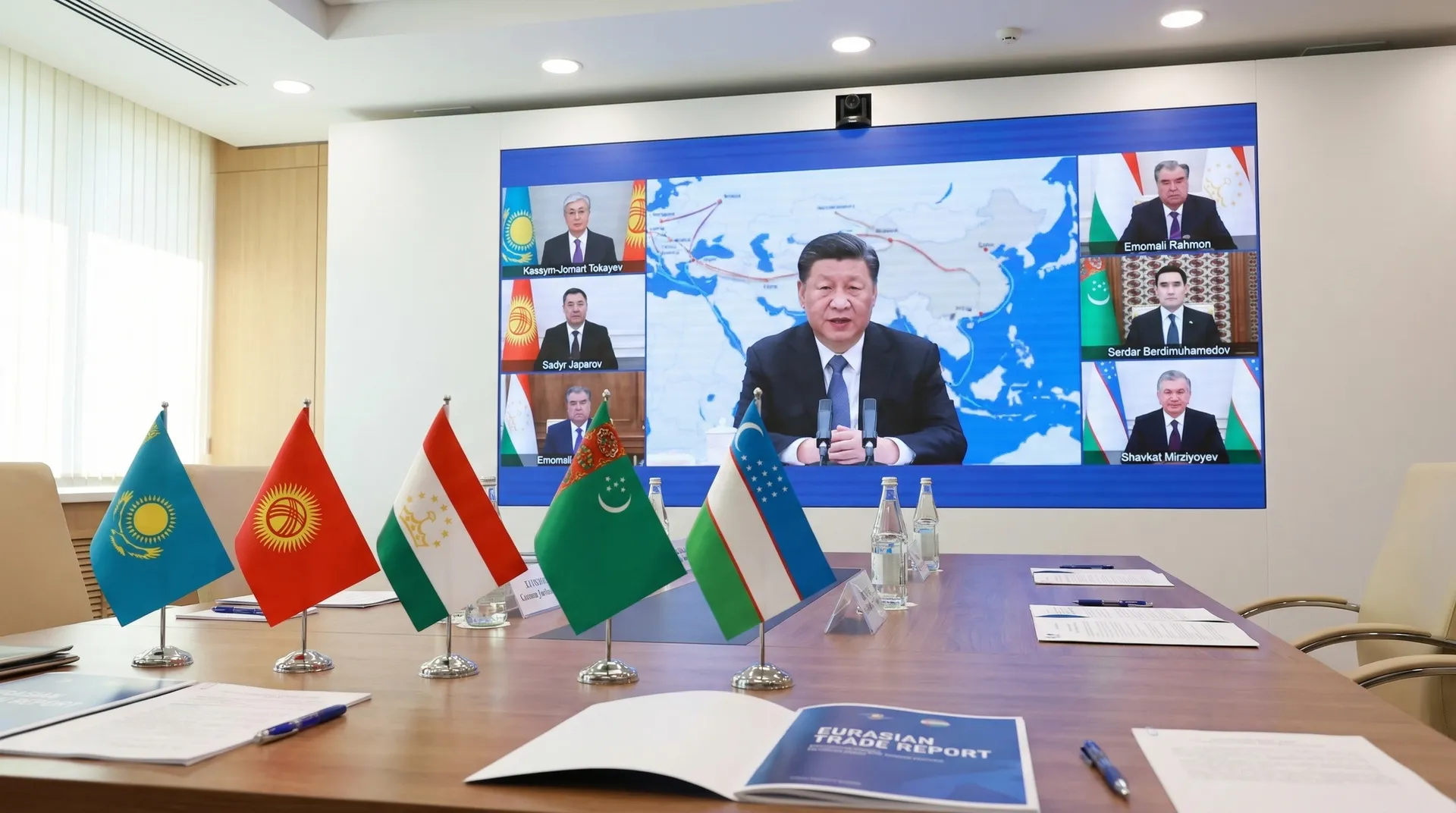
China is strengthening its economic ties with the countries of Central Asia and giving the region's exports a direct political signal. In a video message dedicated to the 30th anniversary of the establishment of diplomatic relations with five Central Asian states, Chinese President Xi Jinping outlined a course to expand the access of goods in the region to Chinese demand and to increase purchases.
"China is ready to open its super-large market to Central Asian countries, increase imports of high-quality goods and agricultural products from the region, continue to hold the China-Central Asia Economic and Trade Cooperation Forum, and strive to reach $70 billion in bilateral trade by 2030," Xi Jinping said.
For foreign economic activity, this statement is important on the practical side. Chinese imports from Central Asia already rely on clear product categories and fast sales channels. Honey, fruits, and grains are being supplied to retail and e-commerce, and more and more producers are gaining access to the market. In this logic, companies that build certification, packaging, batch traceability, and logistics to specific provinces and distribution hubs benefit in advance.
The trading base has significantly strengthened under this expansion. According to Xinhua, China's trade turnover with the five Central Asian countries exceeded $100 billion in 2025, and the trade in goods for the year is estimated at $106.3 billion. Imports are particularly significant in the structure: shipments from the region to China were estimated at $35.1 billion, an increase of 14% year-on-year.
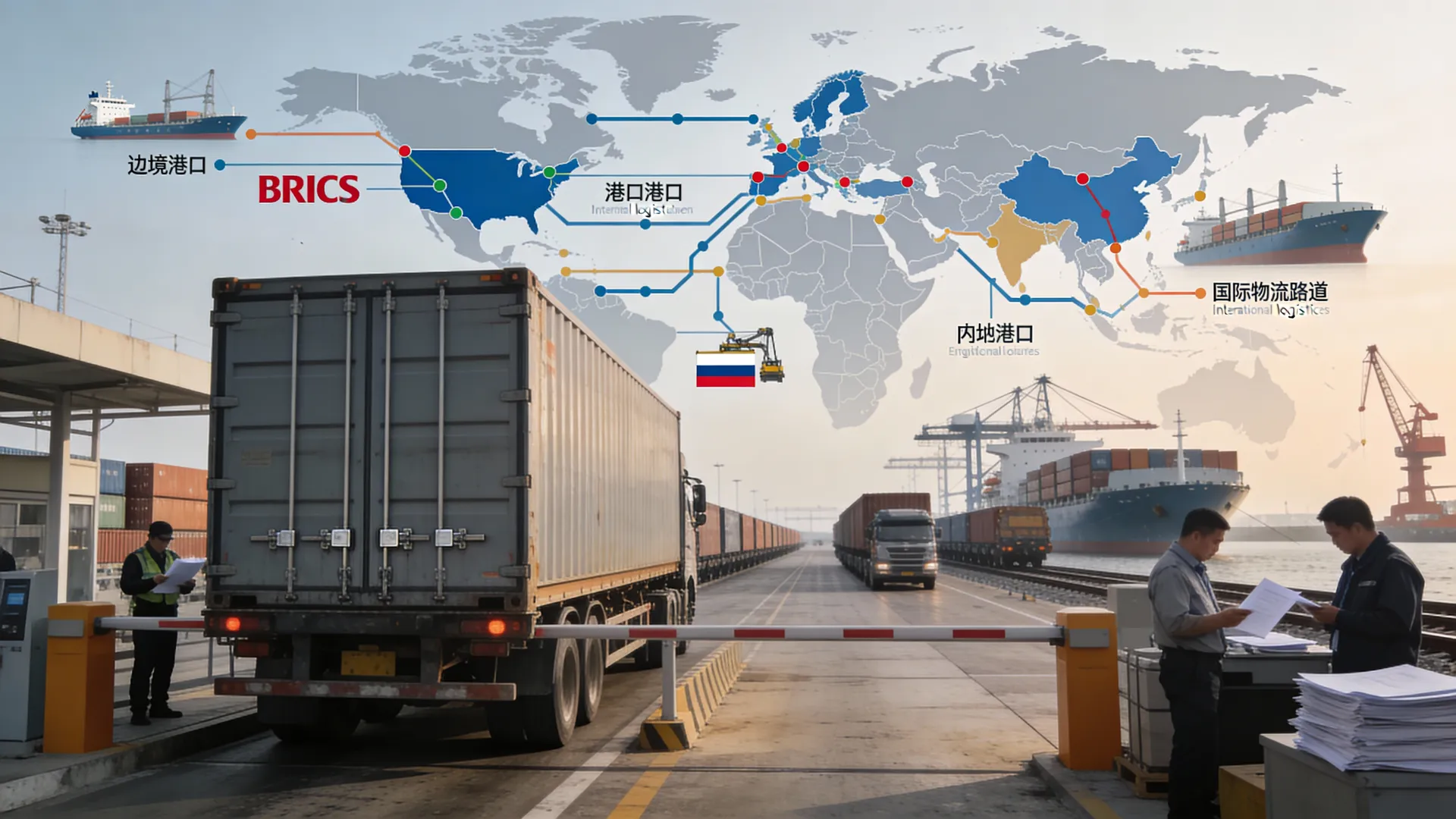
The next step for the region's exporters is to accelerate the turnover of money and documents. Increased imports mean more contracts, more shipments, more deadlines and supporting documents. This increases the value of digital tools in the supply chain: electronic certificates, electronic document management with translation into Chinese formats, transparent tracking and preliminary data exchange with brokers and warehouses. For carriers and cargo owners, this reduces the risk of downtime at border crossings and provides a more predictable delivery schedule to China.
It makes sense for Central Asian businesses to prepare for expansion in three areas: product lines with clear positioning for the Chinese consumer, long-term logistics and warehouse arrangements, as well as compliance and quality, which allow for rapid scaling from trial shipments to regular deliveries.