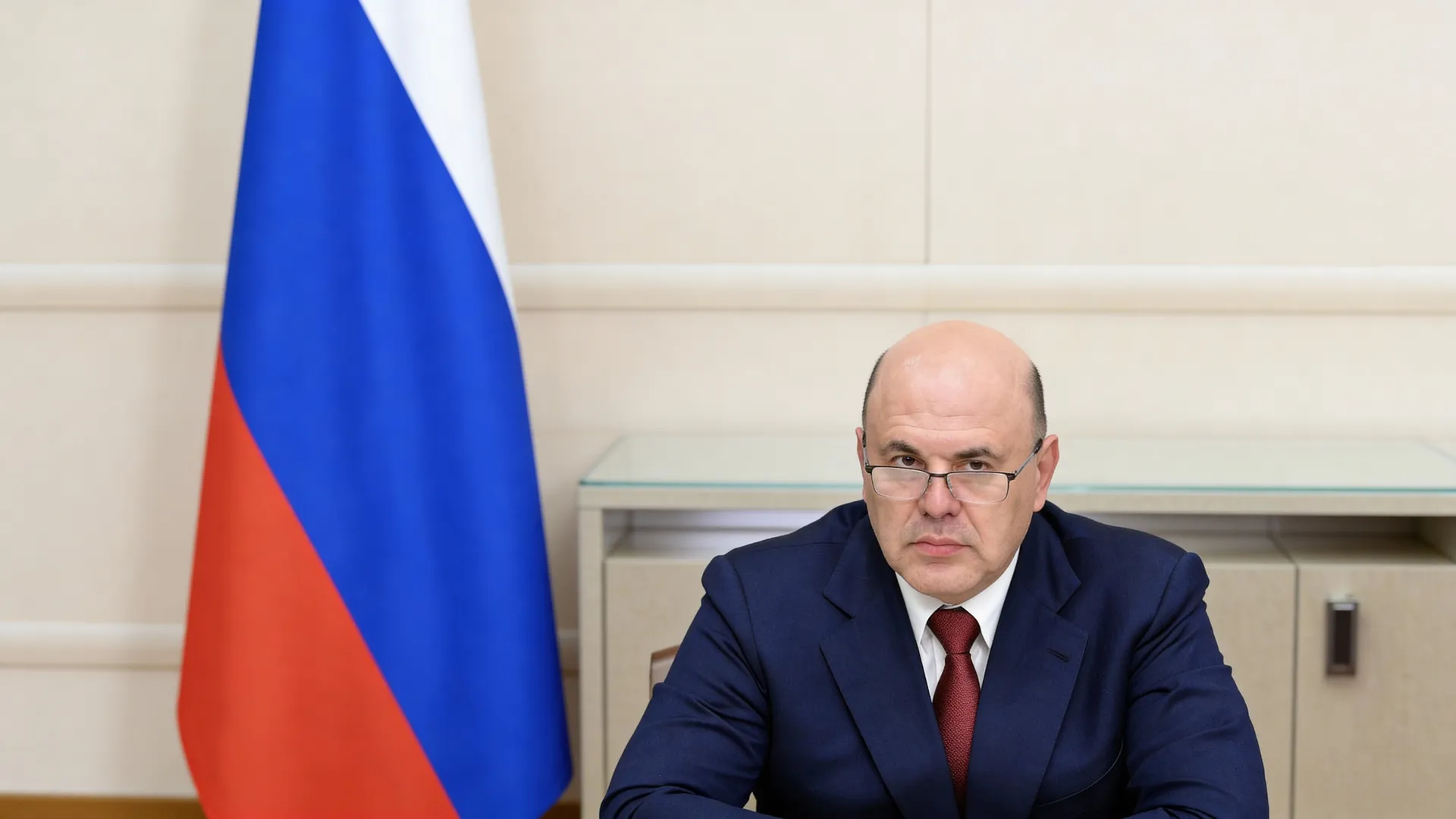
At the strategic session on foreign economic activity, a key message was voiced: the global balance is changing, and the "southeastern" contour of the economy is strengthening.
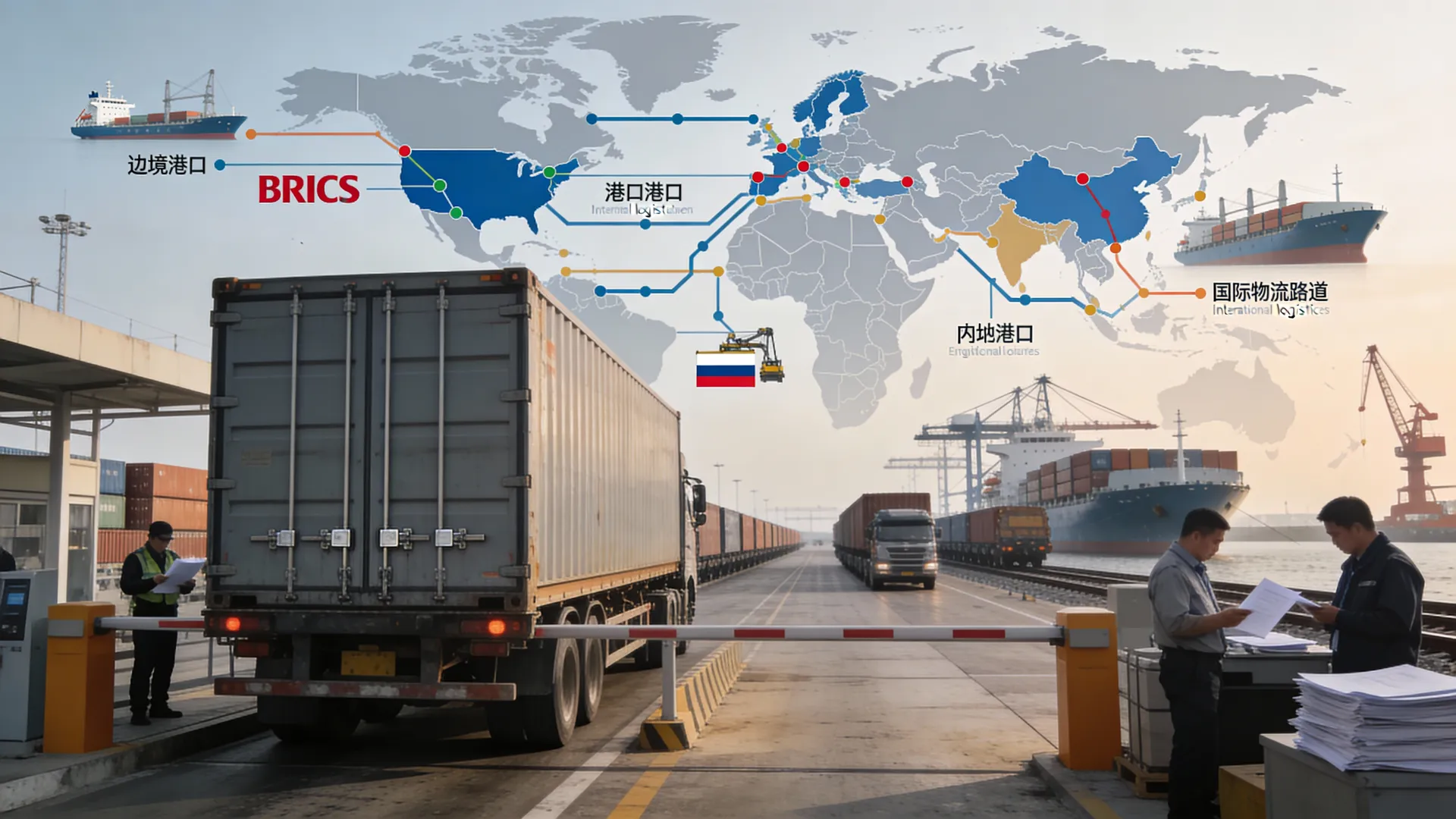
"The influence of various countries on the global economy continues to change. The contribution of the countries of the Global South and East, primarily the BRICS countries, is growing, while the share of the G7 countries is decreasing."
The second important focus is the conditions in which Moscow builds its foreign economic policy: sanctions and tariff restrictions, according to the prime minister, increase distortions in world trade.
“increased sanctions pressure”
Why is the thesis about the strengthening of BRICS being heard more and more often?
The dynamics here are not only political, but also "arithmetic". According to the IMF, the share of developing economies in the world (in PPP terms) is noticeably higher than the share of developed ones - this is the foundation on which the BRICS builds the rhetoric about the "weight shift".
Additionally, the expansion of the association is working: the BRICS official page lists 11 member countries, which increases the demographic and resource scale of the bloc and expands the field for cooperation.
The practical side for foreign economic activity and logistics
It is not slogans that are important for foreign trade, but tools. If trade really "moves" to the markets of the Global South and East, then those who rebuild chains faster will benefit: routes, insurance, compliance, payments, and workflow.
- Sales and purchases. It is critical for Russian exporters to expand their presence in markets where consumption is growing, and for importers to diversify suppliers outside traditional jurisdictions.
- Calculations and currency risks. The growing share of settlements in national currencies within the BRICS group reduces dependence on the "bottlenecks" of international payments and reduces the need for reserve currencies for operational payments (although currency risks do not completely disappear — they simply change shape).
- Logistics as a competitive advantage. In tariff wars and sanctions restrictions, the winner is not the one who has found the "cheapest rate", but the one who has built a stable route: with a time margin, an alternative for ports/crossings and a clear responsibility model in the contract.
What does this mean for business in 2026
The phrase about "relying on supply—side economics" and adjusting support measures to national goals is a signal to the market: projects that generate export revenue, technological independence, and predictable logistics will have priority.
And for the participants of the foreign economic activity, the main conclusion is simple: "the weight of BRICS" is not an abstraction. These include increased competition for new markets, accelerated regionalization of supply chains, and a gradual shift from uniform global rules to a set of parallel trading contours, where flexibility and legal purity of transactions are important.