Russia is increasing its economic agenda in relations with Indonesia through "soft" industries that are rapidly monetizing in foreign markets: creative industries, digital content, and the export of intellectual products. Indonesia is seen as one of the most promising partners, not only because of the scale of domestic demand, but also as a gateway to ASEAN, where the audience for games, animation, design, fashion, and online services is rapidly growing.
The essence of the initiative is to move from disparate contacts between companies to a framework agreement between relevant structures. The key signal came from a representative of the Ministry of Economic Development at a specialized event where the possibilities of Russian creative business entering the Indonesian market were discussed.:
"For some time now, together with the Ministry of Creative Economy of Indonesia, we have been working on a relevant Memorandum, and we expect to sign it in the very near future," Nikita Kondratiev said.
Why is the memorandum important for foreign economic activity in practice? The creative economy is an export where the main cargo is often "invisible": licenses, rights, content, subscriptions, franchises. But this is where companies face the most operational risks: IP protection, monetization rules on local platforms, payment instruments, tax regimes for digital services, and localization requirements. A framework agreement between departments usually helps to remove the first barriers: to open B2B contact channels, coordinate project presentation formats, and accelerate business participation in official business missions and exhibitions.
A separate window of opportunity is international platforms. Indonesia is developing the World Conference on the Creative Economy (WCCE) and already holds a separate outline for the release of 2026. For exporters, this is a chance to "enter through the showcase": to show projects to buyers, publishers, studios and investors where relevant regulators and the large private sector are present.
From the point of view of freight transportation and logistics, the creative industries also have a tangible effect. The growth of content exports almost always tightens physical chains: merch, collectibles, printed products, filming equipment, exhibition stands, props, costumes, supplies for gastronomic and fashion projects. This increases the demand for "project logistics" with clear deadlines (premieres, festivals, screenings), as well as customs compliance for temporarily imported equipment and exhibition cargo.
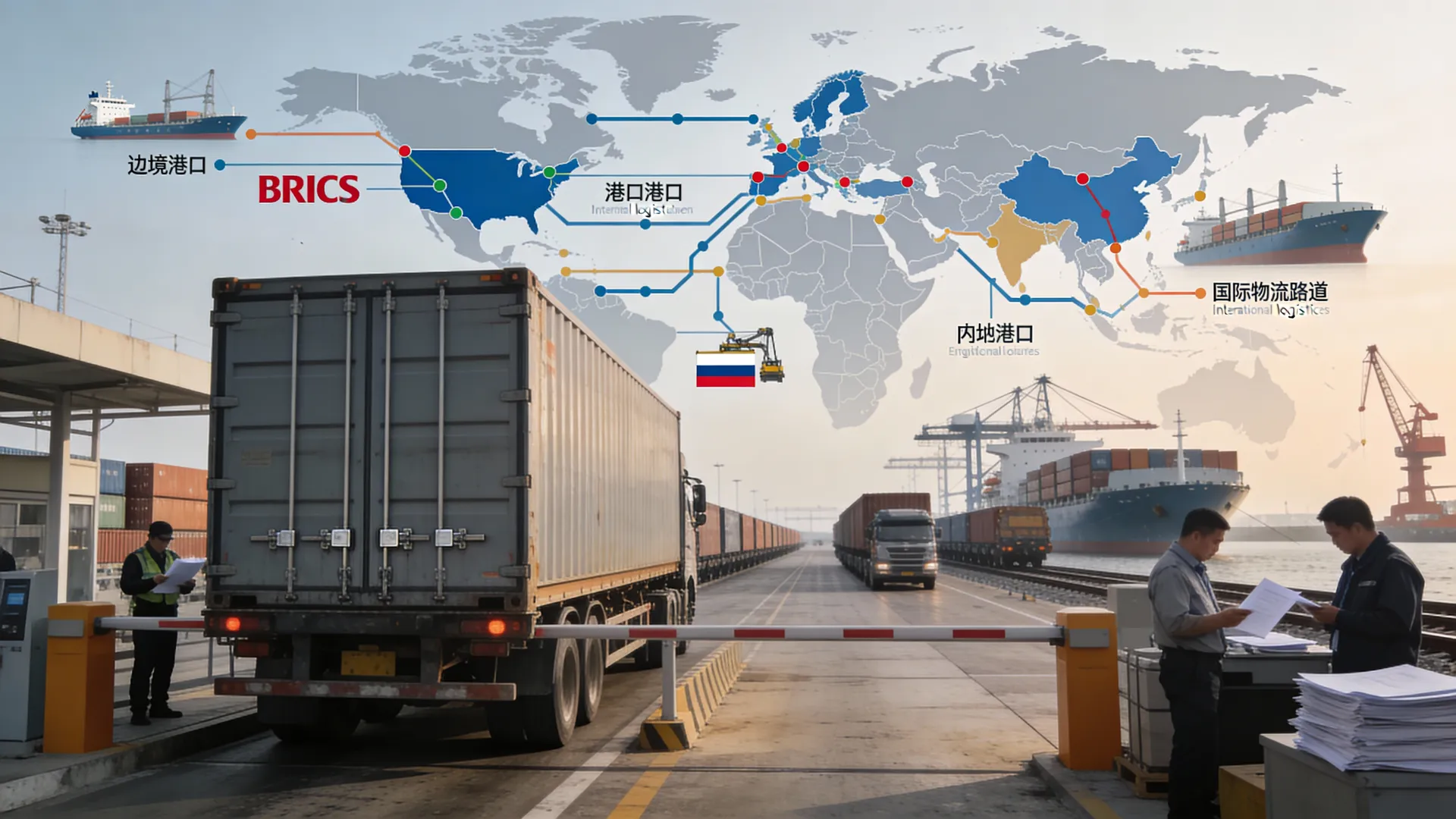
In the broader context of BRICS and South–South partnerships, such a turn to a creative economy is pragmatic: it diversifies trade, reducing dependence on a basket of raw materials, and creates high—value exports that are easier to scale through digital channels. Indonesia, as one of the largest markets in the region, is becoming a logical assembly point for the next step — sustainable cross-border chains in ASEAN, where the winner is the one who has built rights, payments, local partners and logistics for offline activities in advance.